

What is a High-Pressure Material Handling Conveyor? And What Are Its Design Principles?
High-pressure material handling conveyors are specialized engineering systems designed to transport bulk materials under elevated pressure conditions. These systems are vital in industries such as pharmaceuticals, food processing, and chemical manufacturing, where maintaining material integrity and operational efficiency under pressure is essential. The design of these conveyors is meticulously crafted to meet stringent requirements, ensuring reliable performance and safety in demanding environments.
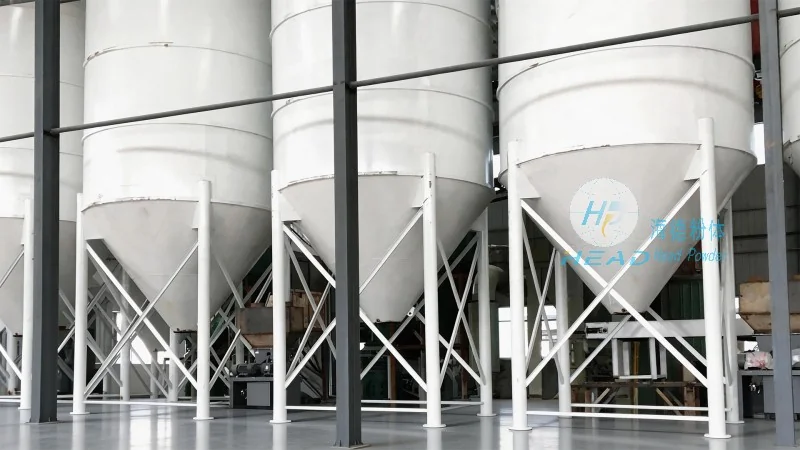
Key Components and Structural Design
The core components of a high-pressure material handling conveyor include a robust housing, pressure-resistant seals, and specialized drive mechanisms. The housing is typically constructed from materials like stainless steel or high-grade alloys to withstand internal pressures and resist corrosion. Seals are engineered to prevent material leakage and maintain pressure integrity, often utilizing O-rings or specialized gaskets. Drive systems may incorporate variable speed drives to adjust conveyor speed based on material flow and pressure conditions, enhancing operational flexibility and energy efficiency.
Pressure Management and Control Systems
Effective pressure management is a critical design feature of high-pressure conveyors. These systems incorporate pressure sensors and control valves to monitor and regulate internal pressure, ensuring it remains within safe operational limits. The control system may include automated feedback loops that adjust the conveyor's operation in response to changes in material load or pressure, preventing over-pressurization and potential system failure. This proactive approach to pressure control enhances system reliability and extends the lifespan of conveyor components.
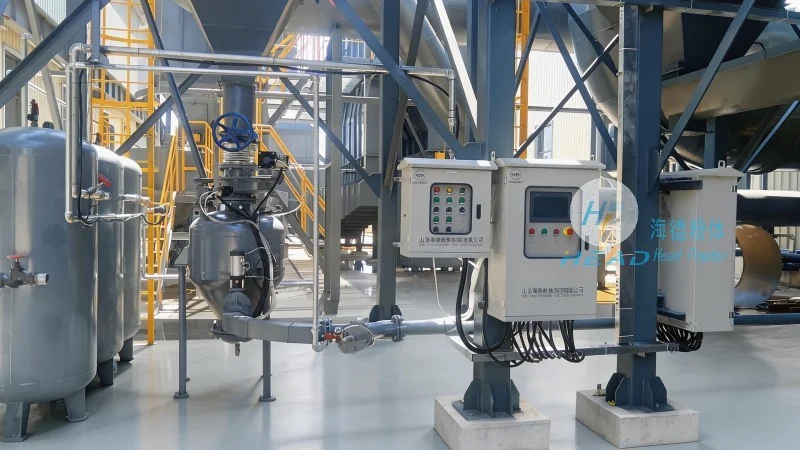
Material Selection and Compatibility
The choice of materials for high-pressure conveyors is governed by the properties of the materials being transported. For instance, in pharmaceutical applications, materials must be non-toxic and easy to clean, often requiring stainless steel or food-grade plastics. In chemical processing, materials must resist corrosion and chemical degradation, leading to the use of specialized alloys or coatings. The design ensures that all components are compatible with the transported materials, minimizing the risk of contamination or material degradation during transport.
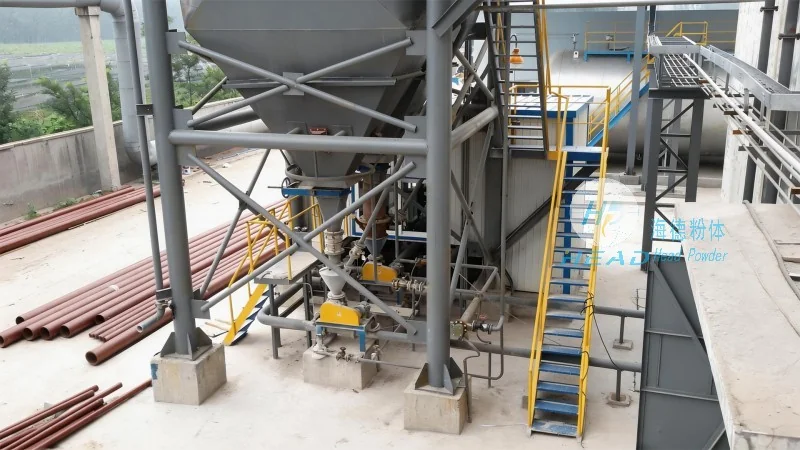
Application-Specific Design Considerations
High-pressure conveyors are customized to suit specific application requirements. For example, in the food industry, conveyors may include sanitary design features such as smooth surfaces and easy-to-clean joints, while in the chemical industry, they may incorporate explosion-proof components to handle hazardous materials. The design process involves thorough analysis of the material's physical properties, flow characteristics, and the operating environment to ensure optimal performance and safety. This tailored approach ensures that the conveyor system meets the unique demands of each application.
Operational Efficiency and Maintenance
High-pressure material handling conveyors are engineered for high efficiency and low maintenance. The robust construction and quality materials reduce the likelihood of breakdowns, while the control systems minimize energy consumption by adjusting speed based on demand. Regular maintenance, including inspections of seals and pressure systems, is essential to ensure long-term reliability. The design facilitates easy access to components for maintenance, reducing downtime and operational costs. Additionally, the use of durable materials and advanced sealing technologies extends the service life of the conveyor, providing a cost-effective solution for material handling needs.