

What is an Embolism-Type Material Conveying Line? Its Design Principles Explained
Embolic material conveying lines, also known as embolism-type material handling systems, represent a specialized class of industrial equipment designed for the efficient and controlled transport of bulk materials. These systems are particularly valuable in industries where precise material control, minimal product degradation, and consistent flow are critical to operational success. Understanding the fundamental concepts behind such systems, including their design principles, is essential for businesses seeking to optimize material handling processes.
Defining Embolic Material Conveying Lines
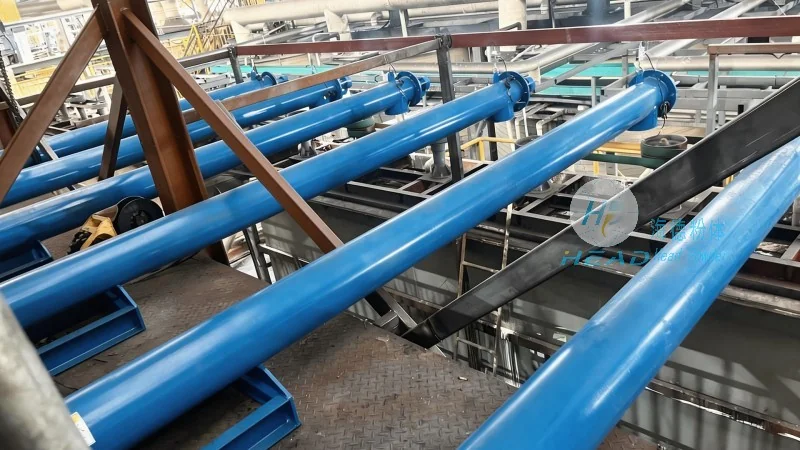
An embolism-type material conveying line is a mechanical system engineered to move bulk materials from one location to another within a production or processing environment. The term "embolism" in this context refers to the concept of a plug or blockage, which is central to the system's operation. Unlike traditional conveyor systems that rely on continuous motion, embolic conveyors utilize a series of controlled, intermittent movements to transport material. This design allows for precise control over the material's flow, preventing overloading and ensuring that the material is moved in a controlled manner, often with minimal impact or shear on the product.
Core Design Principles of Embolic Material Conveying Lines
The design of an embolic material conveying line is built upon several key principles that ensure its effectiveness and reliability. The primary principle is the use of intermittent motion to manage material flow. This approach is particularly advantageous for materials that are sensitive to high shear forces or that require precise dosing and positioning. By moving material in discrete batches or segments, the system minimizes the risk of material degradation, which is crucial for products such as powders, granules, or other fine materials.
Another critical design principle is the integration of sealing and containment features. Embolic conveyors often incorporate sealed hoppers, chutes, and transfer points to prevent material spillage and cross-contamination. This is especially important in industries like pharmaceuticals, food processing, or chemical manufacturing, where product purity and environmental safety are paramount. The design ensures that the material remains contained within the system, reducing waste and maintaining compliance with industry standards.
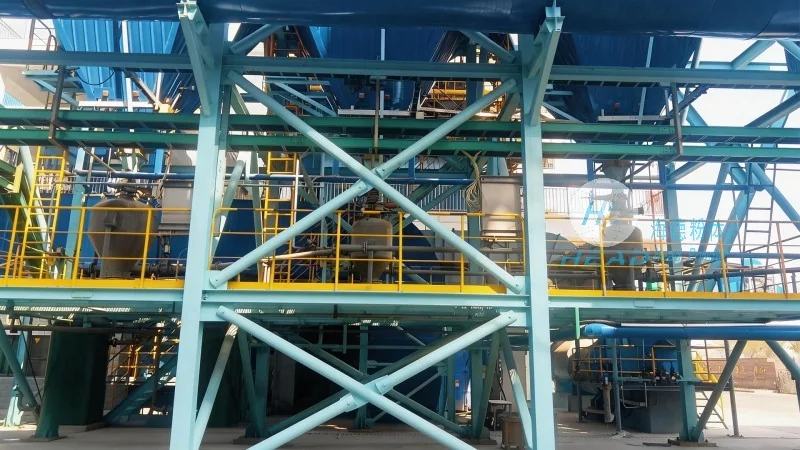
A third key principle is the emphasis on mechanical simplicity and durability. Embolic material conveying lines are typically constructed with robust components, such as heavy-duty bearings, reinforced frames, and corrosion-resistant materials, to withstand the rigors of continuous operation. The design minimizes the number of moving parts, reducing maintenance requirements and extending the system's operational lifespan. This simplicity also contributes to lower long-term operational costs and increased reliability.
Application-Specific Considerations in Design
The design of an embolic material conveying line is tailored to the specific characteristics of the material being handled and the operational requirements of the application. For example, in the pharmaceutical industry, the system may incorporate sterile design elements, such as stainless steel construction and aseptic sealing mechanisms, to meet regulatory requirements. In contrast, industrial applications may prioritize cost-effectiveness and high throughput, leading to designs that maximize material flow rates while maintaining control.
Material properties also play a significant role in the design. Materials with high moisture content or those that are prone to caking may require additional features, such as heating elements or vibration mechanisms, to prevent blockages and ensure smooth operation. The design process involves careful analysis of the material's flow characteristics, such as its angle of repose, bulk density, and cohesive properties, to select the appropriate conveyor components and control parameters.
Advantages of Embolic Material Conveying Lines
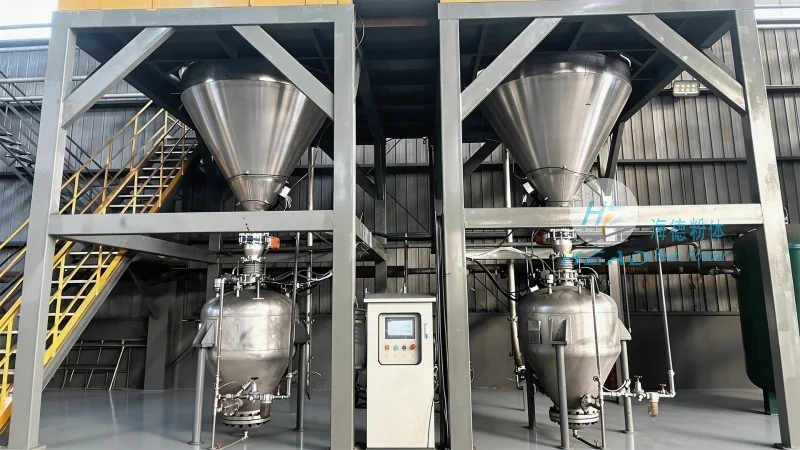
Implementing an embolic material conveying line offers several advantages over traditional conveyor systems. The primary benefit is the enhanced control over material flow, which leads to improved product quality and reduced waste. By preventing overloading and minimizing shear forces, the system helps maintain the integrity of the material, ensuring that it remains in its optimal state for subsequent processing steps.
Another advantage is the improved safety and environmental performance. The sealed design of embolic conveyors reduces dust emissions and prevents material from escaping into the environment, which is critical for compliance with environmental regulations. This also enhances workplace safety by minimizing the risk of material exposure to personnel.
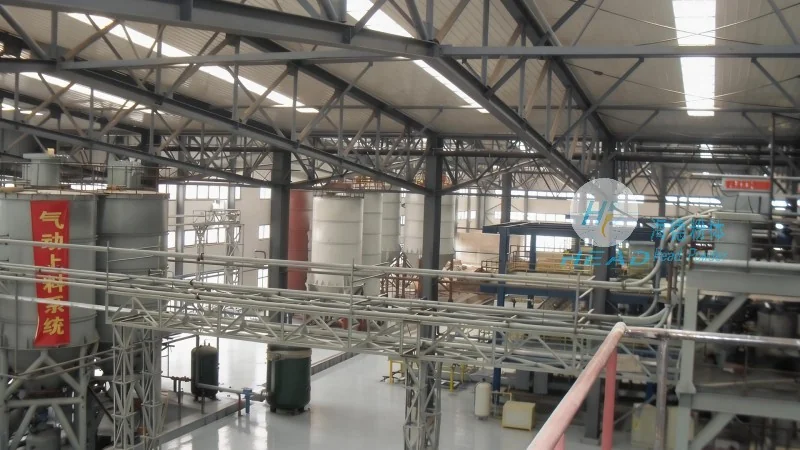
Furthermore, the mechanical simplicity of these systems contributes to lower maintenance costs and higher uptime. With fewer moving parts and a design that minimizes wear and tear, embolic conveyors require less frequent servicing, reducing downtime and increasing overall operational efficiency. This makes them a cost-effective solution for businesses seeking reliable material handling solutions.
Conclusion
Embolic material conveying lines represent a sophisticated solution for the controlled transport of bulk materials, combining precise control with robust design. The principles underlying their operation—intermittent motion, containment, and durability—ensure that they are well-suited for a wide range of industrial applications. By understanding these design principles and the specific requirements of their intended use, businesses can select or develop an embolic material conveying line that optimizes their material handling processes, enhances product quality, and improves overall operational efficiency.
For those seeking to implement such systems, Shandong HeadPowder Engineering Co., Ltd., a leading manufacturer based in China, offers expertise and solutions tailored to the unique needs of various industries. With a focus on quality, reliability, and customer satisfaction, the company provides comprehensive support, from design and manufacturing to installation and maintenance, ensuring that clients achieve the best possible results from their material conveying systems.