

What is a Carbon Black Material Conveying Line? What are its Design Principles?
Carbon black material conveying lines are specialized systems engineered to handle the transportation of carbon black, a crucial industrial pigment and reinforcing agent used in various sectors such as tires, plastics, and inks. These lines are essential for ensuring efficient, safe, and reliable movement of carbon black from storage to processing units. The design of these systems involves careful consideration of material properties, operational requirements, and environmental factors to optimize performance and minimize downtime.
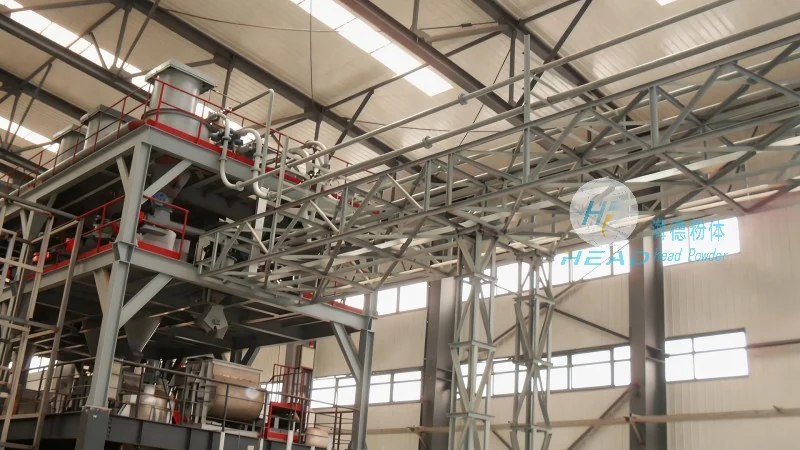
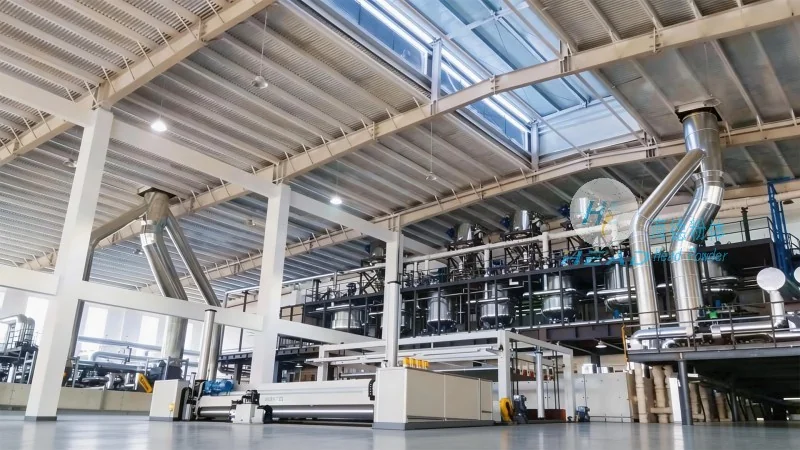
Key Design Principles for Carbon Black Conveying Systems
The design of a carbon black material conveying line is built on several fundamental principles that address the unique characteristics of carbon black. First, the system must accommodate the high abrasiveness and fine particle size of carbon black, which can cause wear on equipment and require specialized materials for construction. Engineers at Shandong HeadPowder Engineering Co., Ltd. (headpowder) integrate durable components, such as high-quality steel and wear-resistant coatings, to extend the lifespan of the conveying equipment. Second, the design emphasizes efficient material flow, using components like feeders, conveyors, and transfer points that minimize blockages and ensure consistent throughput. The use of positive displacement or pneumatic conveying methods, depending on the application, helps maintain the integrity of the carbon black particles and prevents agglomeration. Third, safety and environmental compliance are critical. The system incorporates dust collection and filtration systems to control airborne particles, reducing health risks and adhering to regulatory standards. Additionally, the design considers energy efficiency, with options for variable speed drives and optimized airflow to reduce operational costs.
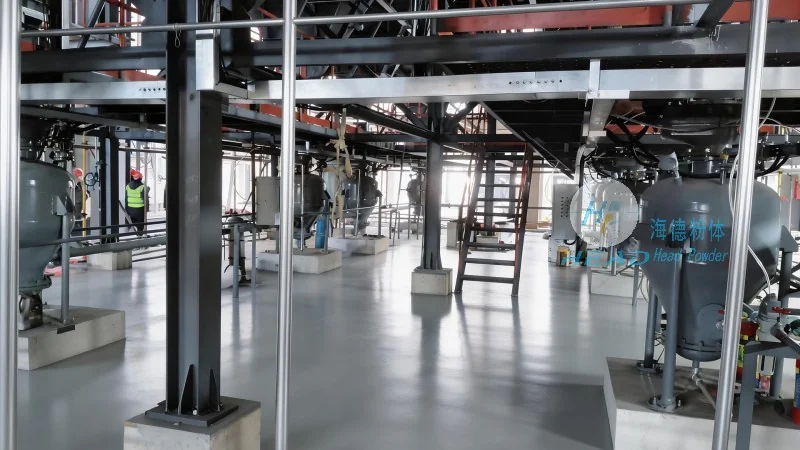
Components and Functional Aspects of Carbon Black Conveying Lines
A typical carbon black material conveying line consists of several interconnected components, each playing a vital role in the overall operation. The primary components include a storage silo or hopper, a feeding device (such as a rotary valve or screw feeder), a conveyor system (e.g., belt or pneumatic conveyor), transfer hoppers or chutes, and a discharge unit. The storage silo is designed to hold large quantities of carbon black, often with a conical bottom to facilitate smooth discharge. The feeding device regulates the flow of material from the silo to the conveyor, ensuring a consistent feed rate that prevents overloading or underfeeding. The conveyor system transports the carbon black to the processing area, with options for belt conveyors for bulk material handling or pneumatic conveyors for fine powders. Transfer points, such as rotary valves or swivel joints, are used to direct the material into different processing units or storage locations. The discharge unit, often a metering device or a valve, controls the final release of carbon black into the next stage of production. Each component is engineered to withstand the abrasive nature of carbon black, with features like reinforced belts, heavy-duty bearings, and corrosion-resistant materials to ensure long-term reliability.
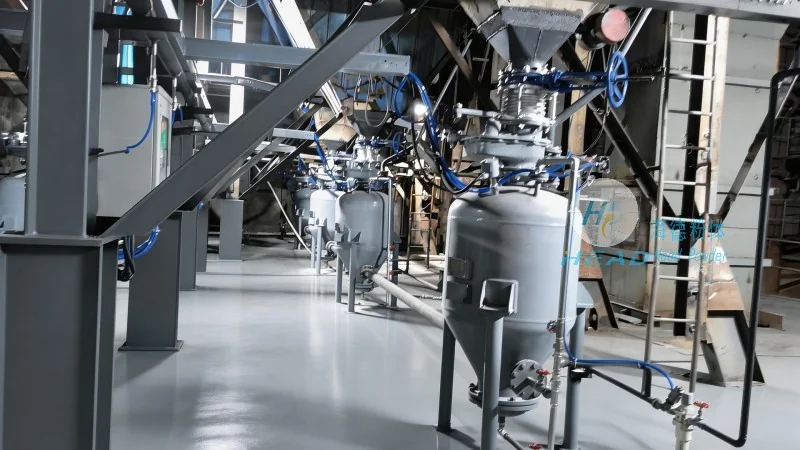
HeadPowder's Expertise in Carbon Black Conveying Solutions
Shandong HeadPowder Engineering Co., Ltd., a leading manufacturer in the field, specializes in designing and manufacturing high-quality carbon black material conveying lines tailored to the specific needs of clients. With a strong focus on innovation and customer satisfaction, headpowder leverages advanced engineering techniques and years of industry experience to develop customized solutions. The company's design team conducts thorough analysis of each project, considering factors such as material characteristics, production capacity, and operational environment to create optimal designs. For example, headpowder may recommend a combination of belt and pneumatic conveying systems for applications requiring both bulk handling and fine powder transport. The company also provides comprehensive support, including installation, commissioning, and after-sales service, ensuring that clients receive a complete solution from start to finish. By partnering with headpowder, businesses can enhance their production efficiency, reduce maintenance costs, and improve overall operational performance.