

What is a Wood Chip Material Conveying Line? And What Are Its Design Principles?
A wood chip material conveying line is a specialized system engineered to transport wood chips efficiently from one location to another within industrial settings. These systems are crucial in various industries, including pulp and paper manufacturing, biomass energy production, and wood processing facilities, where the movement of wood chips is a critical step in the production process. The design of such conveying lines is tailored to handle the unique characteristics of wood chips, such as their irregular shape, varying moisture content, and potential for dust generation, ensuring reliable and safe operation.
Key Components of a Wood Chip Conveying System
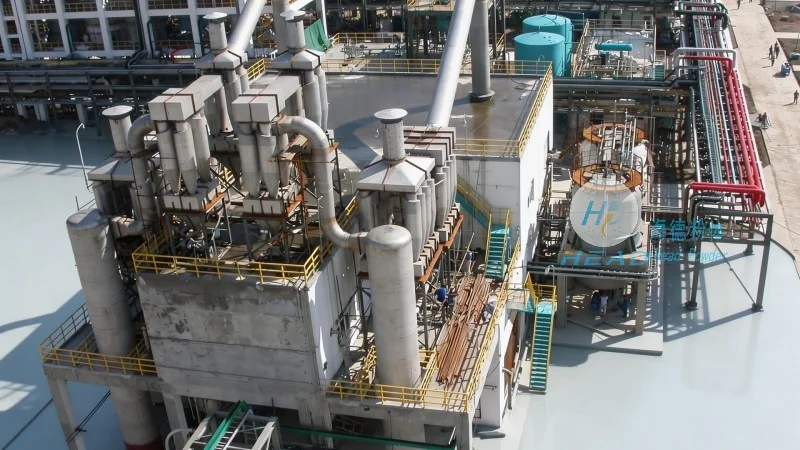
The core components of a wood chip material conveying line typically include a feed hopper, conveyor mechanisms (like belt conveyors, screw conveyors, or pneumatic conveyors), control systems, and material handling accessories. The feed hopper is designed to store and regulate the flow of wood chips into the conveyor. Conveyor mechanisms vary based on the application and material characteristics; for instance, belt conveyors are common for horizontal or slight incline transport due to their ability to handle large volumes and abrasive materials. Screw conveyors are often used for vertical or inclined transport, providing consistent material movement. Pneumatic conveyors, or air-based systems, are suitable for fine wood chips and require less maintenance but may have limitations in handling larger or wetter chips.
Design Principles for Optimal Performance
The design principles of a wood chip material conveying line focus on maximizing efficiency, minimizing downtime, and ensuring safety. One key principle is the selection of appropriate conveyor components based on the wood chip's properties. For example, the choice between a belt conveyor and a screw conveyor depends on the chip size and moisture content. A belt conveyor with a heavy-duty rubber belt can handle larger, wetter chips, while a screw conveyor with a smooth or flighted design is better suited for smaller, drier chips. Another critical design aspect is the system's integration with the overall production process. The conveying line must be able to connect seamlessly with upstream and downstream equipment, such as chippers, dryers, or storage silos, to maintain a smooth workflow. Additionally, the design considers factors like space constraints, energy consumption, and environmental impact, ensuring the system is both effective and sustainable.
Material Handling and Safety Considerations
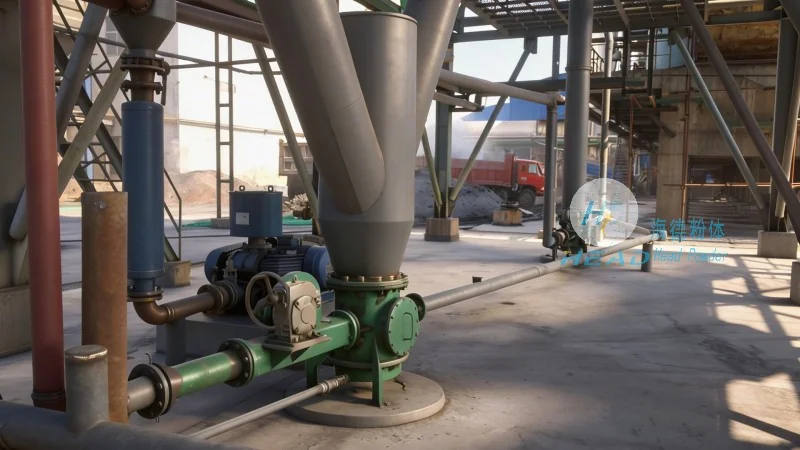
Handling wood chips poses unique challenges due to their potential to generate dust, which can be a health hazard and cause equipment wear. Therefore, safety and material handling are paramount in the design of a wood chip conveying line. Dust suppression systems, such as wet scrubbers or air filtration units, are often incorporated to control dust emissions and maintain a safe working environment. The conveyor components are also designed to minimize friction and wear, as wood chips can be abrasive. For instance, the use of high-quality, wear-resistant materials for conveyor belts and screw flights extends the system's lifespan and reduces maintenance costs. Furthermore, the system includes safety features like emergency stop buttons, overload protection, and visual indicators to ensure operator safety and prevent accidents.
Applications and Industry Impact
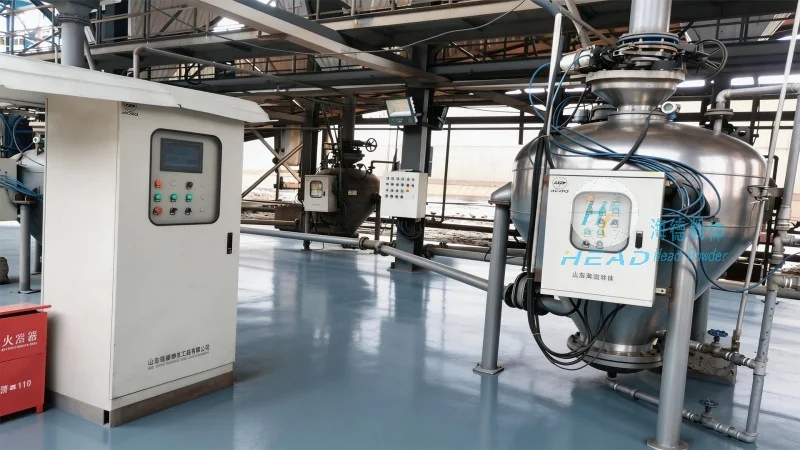
Wood chip material conveying lines are widely used across various industries. In the pulp and paper industry, they transport wood chips from storage to the pulping process, where they are converted into pulp for paper production. In biomass energy production, these systems move wood chips to boilers or gasifiers for energy generation. In wood processing facilities, they transport chips to drying ovens or storage areas. The efficiency of the conveying line directly impacts the overall productivity of these industries. A well-designed system reduces material handling time, minimizes losses due to spillage or degradation, and improves the quality of the final product. For example, in pulp and paper mills, a reliable conveying line ensures a consistent supply of wood chips, which is essential for maintaining production rates and product quality.
Customization and Maintenance
Due to the diverse applications and varying wood chip characteristics, wood chip material conveying lines are often customized to meet specific client needs. Shandong HeadPowder Engineering Co., Ltd., a leading manufacturer in this field, offers tailored solutions that consider factors like chip size, moisture content, and production volume. The company's expertise in engineering and material handling allows them to design systems that are both efficient and cost-effective. Regular maintenance is also crucial for the longevity and performance of the conveying line. This includes routine checks of conveyor components, cleaning of dust filters, and lubrication of moving parts. Proper maintenance not only extends the system's lifespan but also ensures consistent performance and reduces the risk of unexpected breakdowns.