

What is a Soil Material Conveyor Line? And What Are Its Design Principles?
Soil material conveyor lines are essential industrial systems engineered to transport earthy materials such as soil, sand, gravel, and other bulk solids efficiently and reliably. These systems play a crucial role in construction, mining, and environmental remediation projects, enabling the smooth movement of heavy and often abrasive materials over long distances or within complex work environments. Understanding the core components and design principles behind these conveyor lines is vital for optimizing operational performance and ensuring durability in demanding applications.
Key Components and Functional Design of Soil Material Conveyor Lines
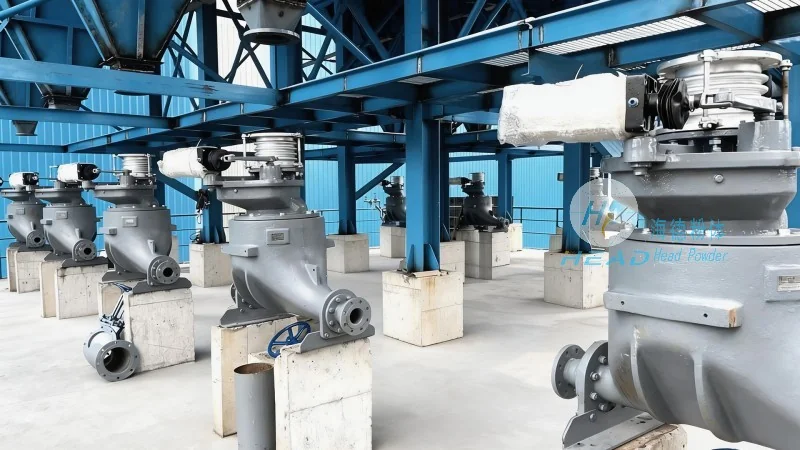
The design of a soil material conveyor line typically integrates several critical components that work in unison to facilitate material handling. The primary elements include a conveyor belt or chain, a drive system, supporting structures (such as frames and rollers), and feeding mechanisms. The conveyor belt, often made from heavy-duty rubber or synthetic materials, is designed to withstand the abrasive nature of soil and other bulk materials, minimizing wear and tear over time. The drive system, which may consist of electric motors, gearboxes, or pulleys, provides the necessary power to move the belt at a consistent speed, ensuring uniform material flow. Supporting structures, including frames and idlers, maintain the belt's tension and alignment, preventing sagging or misalignment that could disrupt operation. Feeding mechanisms, such as hoppers or feeders, control the rate at which soil enters the conveyor, preventing overloading and ensuring steady material throughput.
Design Principles for Efficient Soil Material Handling
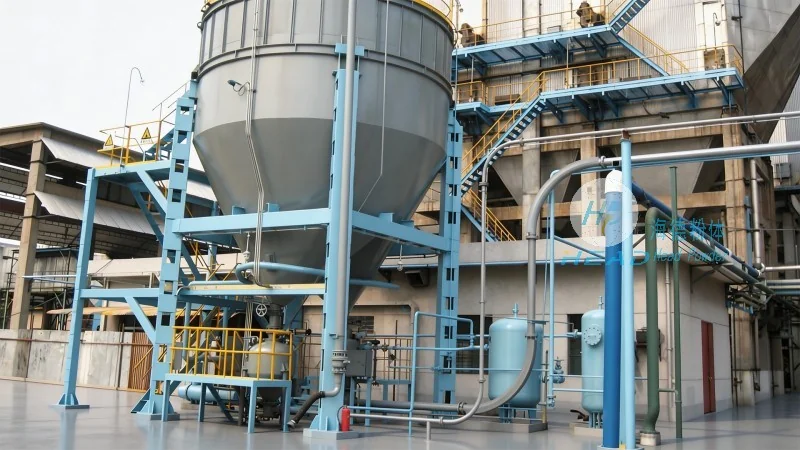
The design principles guiding soil material conveyor lines focus on maximizing efficiency, durability, and adaptability to diverse operational conditions. One fundamental principle is the selection of appropriate materials for the conveyor components. For instance, the belt material must be resistant to abrasion, moisture, and temperature fluctuations, which are common in soil handling environments. Additionally, the drive system is designed to handle high torque and continuous operation, ensuring consistent performance even under heavy loads. Another key principle is the optimization of the conveyor's layout and dimensions. This involves determining the appropriate belt width, length, and inclination angle to match the volume and characteristics of the soil being transported. Proper spacing of idlers and the use of heavy-duty supports help maintain the belt's tension and prevent excessive stress, which can lead to premature failure. Furthermore, the integration of safety features, such as emergency stop mechanisms and overload protection, is critical to ensure operational safety and compliance with industry standards.
HeadPowder Engineering: Expertise in Soil Material Conveyor Systems
Shandong HeadPowder Engineering Co., Ltd., commonly known as HeadPowder, is a leading manufacturer specializing in the design, manufacturing, and supply of soil material conveyor lines and related industrial equipment. With years of experience in the engineering and construction sectors, HeadPowder has developed a reputation for delivering high-quality, reliable conveyor systems tailored to the specific needs of clients in construction, mining, and environmental industries. The company's commitment to innovation and quality is reflected in its use of advanced materials and manufacturing techniques, ensuring that its conveyor lines meet or exceed industry standards for performance and durability. HeadPowder's team of engineers and technicians work closely with clients to understand their operational requirements, providing customized solutions that enhance productivity and reduce operational costs. The company's facilities in Shandong, China, are equipped with state-of-the-art production equipment and quality control measures, enabling it to deliver consistent, high-performance conveyor systems that are built to last.
Applications and Advantages of Soil Material Conveyor Lines
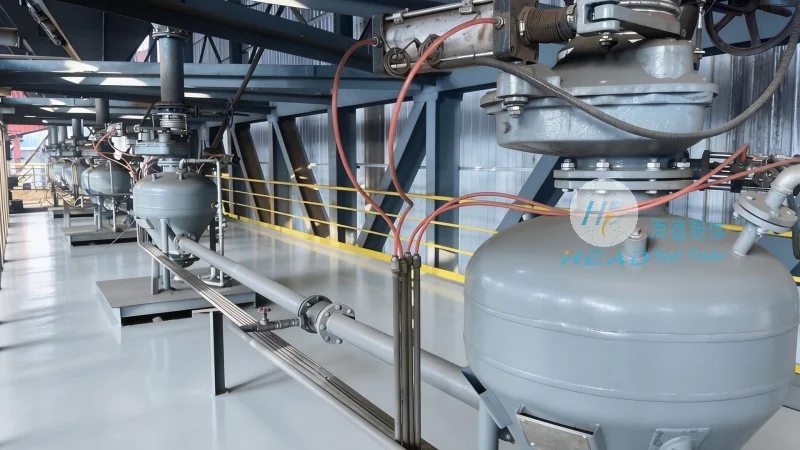
Soil material conveyor lines are widely used in various applications where bulk earth materials need to be transported efficiently. In construction projects, these systems are essential for moving soil, sand, and gravel from excavation sites to disposal or storage areas, streamlining the material handling process and improving overall project efficiency. In mining operations, conveyor lines are used to transport ore and overburden, reducing the need for manual labor and minimizing the risk of accidents associated with heavy material handling. Environmental remediation projects also benefit from soil conveyor lines, as they enable the safe and efficient removal of contaminated soil from affected sites. The advantages of using soil material conveyor lines include increased productivity due to continuous material flow, reduced labor costs by automating the handling process, and improved safety by minimizing the need for workers to handle heavy or hazardous materials. Additionally, these systems are designed to be adaptable to different operational conditions, allowing them to be integrated into existing workflows with minimal disruption.