

[What is a High-Pressure Powder Conveying System? What are its Design Principles?]
High-pressure powder conveying systems are specialized industrial equipment designed to transport bulk powders over long distances with high efficiency and minimal material degradation. These systems are widely used in various industries, including chemical, pharmaceutical, food processing, and mining, where reliable and efficient powder handling is critical. The design of such systems involves a combination of mechanical, pneumatic, and hydraulic components, all working in harmony to ensure safe and effective material transport.
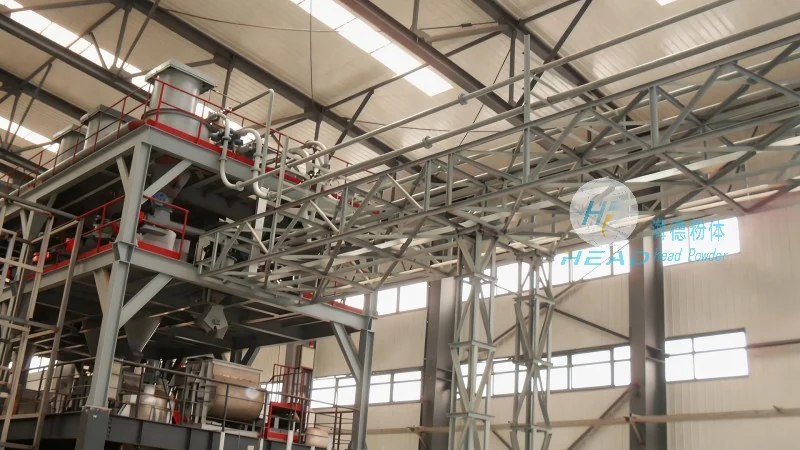
Introduction to High-Pressure Powder Conveying Systems
At Shandong HeadPowder Engineering Co., Ltd., we specialize in the design, manufacturing, and installation of high-pressure powder conveying systems. Our company, based in Shandong, China, has extensive experience in providing customized solutions tailored to the unique needs of our clients. The core of our systems lies in the high-pressure air or gas that propels the powder particles through a pipeline, ensuring consistent flow and preventing clogging or blockages.
Key Design Principles of High-Pressure Powder Conveying Systems
The design of a high-pressure powder conveying system is governed by several fundamental principles aimed at optimizing performance, reliability, and safety. The first principle is the selection of appropriate materials for the conveying pipeline and components. Materials such as stainless steel, aluminum, or specialized polymers are chosen based on the properties of the powder being transported, including its abrasiveness, moisture content, and chemical reactivity. This ensures that the system can withstand the mechanical stresses and chemical interactions without degradation.
Another critical design principle is the control of pressure and flow rates. High-pressure systems typically operate at pressures ranging from 0.5 to 10 bar, depending on the specific application and the powder's characteristics. The pressure is carefully regulated to maintain a consistent flow velocity, which is essential for preventing particle segregation and ensuring uniform material distribution. Flow meters and pressure sensors are integrated into the system to monitor and adjust these parameters in real-time, enhancing operational stability.
The system's layout and configuration also play a vital role in its design. The pipeline network is designed to minimize bends and changes in direction, as sharp angles can cause particle accumulation and increase the risk of blockages. Elbows, bends, and other fittings are strategically placed to maintain a smooth flow path. Additionally, the system incorporates features like pulse jets or vibration devices to prevent material buildup in critical areas, ensuring continuous operation.
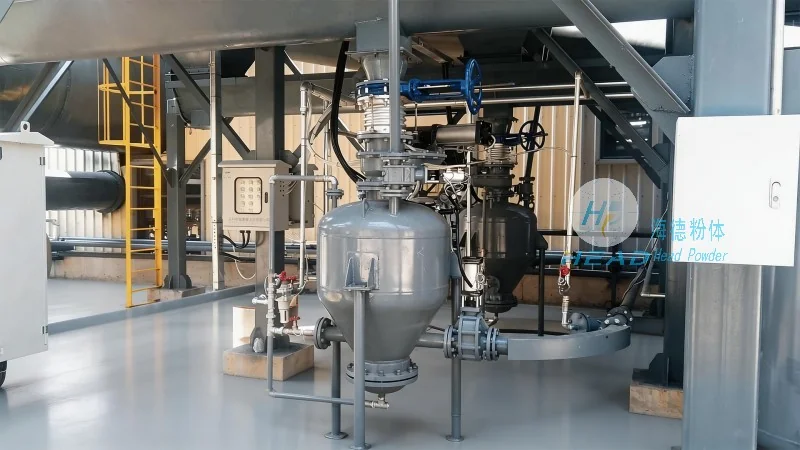
Energy efficiency is another important design consideration. High-pressure systems require significant power to operate, and optimizing energy consumption is a key aspect of modern design. This includes using high-efficiency motors, variable frequency drives (VFDs) to adjust motor speed based on demand, and energy recovery systems that capture and reuse waste energy. These measures not only reduce operational costs but also contribute to environmental sustainability.
Components and Working Mechanism
A high-pressure powder conveying system consists of several key components, each playing a crucial role in the overall operation. The primary components include a material feeder, a high-pressure pump or compressor, a conveying pipeline, and a receiver or discharge unit. The material feeder is responsible for feeding the powder into the system at a controlled rate, ensuring a consistent supply of material. This component is often equipped with a hopper or bin that can be loaded manually or via a bulk material handling system.
The high-pressure pump or compressor generates the necessary pressure to move the powder through the pipeline. In pneumatic systems, a compressor is used to supply compressed air or gas, which is then mixed with the powder to create a slurry-like flow. The air-powder mixture is then forced through the pipeline to the discharge point. In hydraulic systems, a pump circulates a liquid medium, which is mixed with the powder to facilitate transport. The choice between pneumatic and hydraulic systems depends on the specific powder properties and the required flow rate.
The conveying pipeline is the main channel through which the powder is transported. It is typically made of durable materials such as stainless steel or PVC, designed to withstand the high pressures and abrasive nature of the powder. The pipeline is often equipped with insulation to prevent heat loss or gain, which can affect the powder's properties. In some applications, the pipeline may be equipped with sensors to monitor pressure, temperature, and flow rate, providing real-time data for process control.
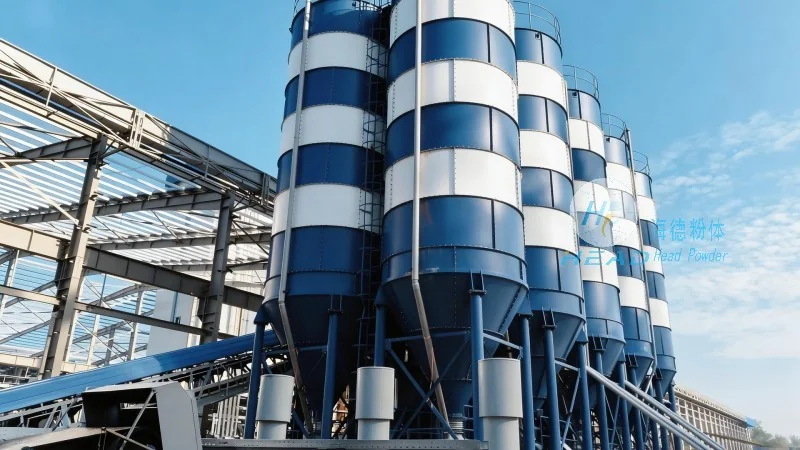
The receiver or discharge unit is where the powder is collected after being transported through the pipeline. This component is designed to handle the incoming flow and transfer the material to the next processing step. It may include a hopper, a silo, or a storage tank, depending on the application. The receiver is often equipped with a discharge valve or a conveyor system to ensure smooth and controlled material release.
Applications and Benefits
High-pressure powder conveying systems are used in a wide range of applications where traditional conveying methods are insufficient. For example, in the pharmaceutical industry, these systems are used to transport active pharmaceutical ingredients (APIs) and excipients with high precision and minimal contamination. The controlled flow and low shear rates ensure that the powder's quality is maintained, which is critical for drug manufacturing. In the food industry, high-pressure systems are used to transport powders such as flour, sugar, and cocoa, ensuring that the product remains fresh and free from contamination.
In the chemical industry, high-pressure systems are used to transport abrasive and corrosive powders, such as cement, lime, and chemicals. The robust design of these systems ensures that they can withstand the harsh conditions without failure. The ability to transport these materials over long distances without the need for intermediate storage or handling makes high-pressure systems highly efficient and cost-effective.
The benefits of high-pressure powder conveying systems extend beyond efficiency and reliability. These systems offer several advantages over traditional conveying methods, including reduced material degradation, improved process control, and enhanced safety. The high-pressure environment minimizes the risk of dust explosions, as the powder is contained within the pipeline and does not come into contact with air. Additionally, the system's ability to handle a wide range of powder types and sizes makes it a versatile solution for various industrial applications.