

What is a Large-Scale Powder Conveying System? And What Are Its Design Principles?
In the realm of industrial material handling, large-scale powder conveying systems stand as critical infrastructure for efficiently transporting bulk powders across various sectors. These systems are essential for industries such as pharmaceuticals, food processing, chemical manufacturing, and mining, where the reliable and safe movement of powders is non-negotiable. Understanding the fundamentals of these systems and their design principles is vital for optimizing operational efficiency and ensuring product quality. This article explores the concept of large-scale powder conveying systems and the key design principles that govern their performance, with insights from Shandong HeadPowder Engineering Co., Ltd., a leading provider based in Shandong, China.
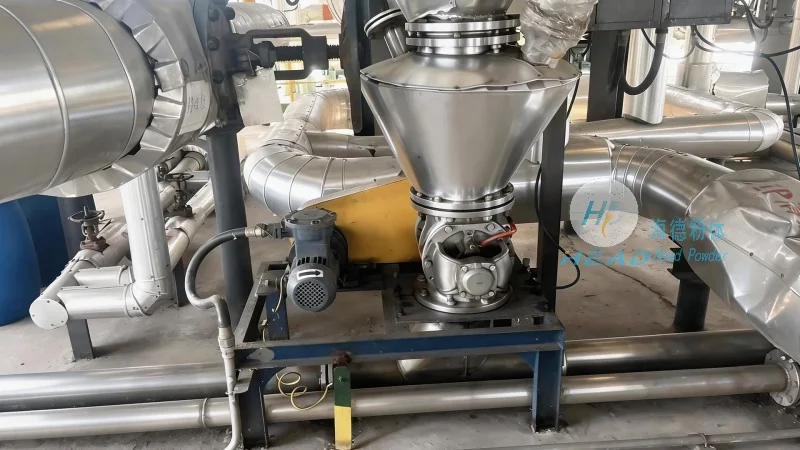
Defining Large-Scale Powder Conveying Systems
A large-scale powder conveying system is a sophisticated network of equipment engineered to transport bulk powders over substantial distances while minimizing material loss, contamination, and energy consumption. The complexity of these systems arises from the need to handle diverse powder characteristics, including varying particle sizes, densities, moisture content, and flowability. Such systems are designed to maintain consistent performance, ensuring that powders are conveyed safely and efficiently from source to destination. The primary goal is to achieve seamless integration with existing industrial processes, reducing downtime and enhancing overall productivity.
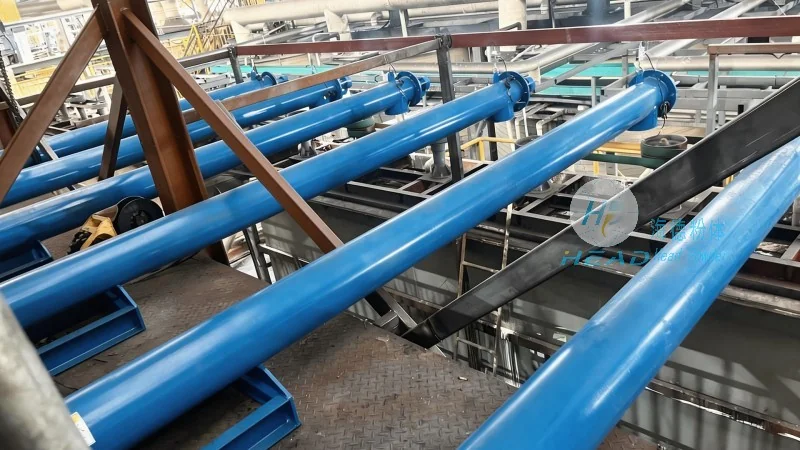
HeadPowder: A Leader in Powder Conveying Solutions
Shandong HeadPowder Engineering Co., Ltd., commonly referred to as HeadPowder, is a prominent player in the powder handling industry. With operations headquartered in Shandong, China, the company specializes in the design, manufacturing, and integration of large-scale powder conveying systems. HeadPowder’s expertise is built on decades of experience in addressing the unique challenges faced by clients across different industries. By leveraging advanced technology and a deep understanding of material behavior, HeadPowder delivers customized solutions that optimize material flow, reduce operational costs, and enhance system reliability. The company’s commitment to quality, innovation, and client satisfaction has established it as a trusted partner for businesses seeking robust powder handling solutions.
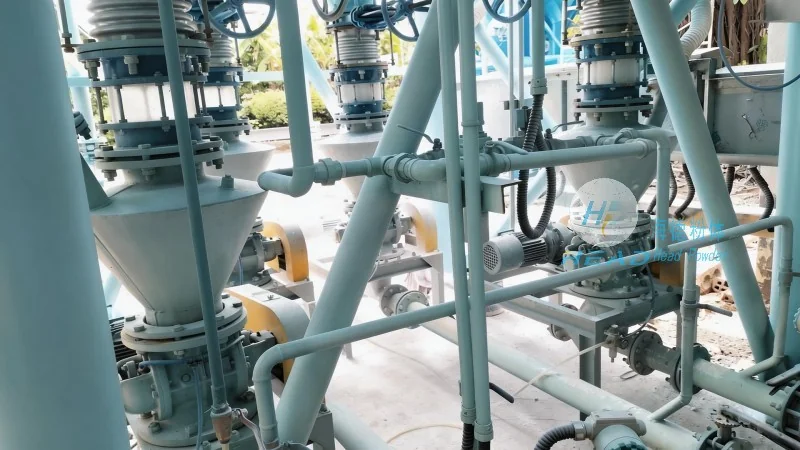
Core Design Principles for Large-Scale Powder Conveying Systems
The design of a large-scale powder conveying system involves a systematic approach that considers multiple critical factors to ensure optimal performance. These principles are tailored to the specific material being handled and the operational environment. Key design considerations include:
- Material Characterization: Thorough analysis of the powder’s physical and chemical properties is the foundation of effective system design. This includes particle size distribution, bulk density, moisture content, and flowability. Accurate characterization enables the selection of appropriate equipment and system configurations.
- System Layout and Integration: The layout of the conveying system must be meticulously planned to minimize material handling distances and avoid unnecessary bends or changes in elevation. Integration with existing plant infrastructure is crucial to ensure seamless operation and minimize disruptions to production.
- Equipment Selection: Choosing the right components, such as feeders, conveyors, and control systems, is critical. HeadPowder utilizes a range of technologies, including pneumatic conveying (air or gas-based), mechanical conveying (e.g., screw, belt, or chain conveyors), and hybrid systems, to match the specific needs of each application.
- Control and Automation: Modern large-scale systems rely on advanced control systems to monitor and regulate the conveying process. This includes real-time monitoring of flow rates, pressure, temperature, and system performance, with automated adjustments to maintain consistent operation and prevent issues like blockages or overloading.
- Safety and Maintenance: Ensuring the safety of operators and the longevity of the system are paramount. Design principles incorporate robust safety features, such as emergency stop mechanisms and interlocks, and easy access for maintenance to reduce downtime and enhance overall system reliability.
Applications and Benefits of Large-Scale Powder Conveying Systems
Large-scale powder conveying systems find applications across diverse industries, each with its own set of requirements. In the pharmaceutical industry, these systems are used to transport active pharmaceutical ingredients (APIs) and excipients with stringent purity and contamination control measures. In the food processing sector, they handle ingredients like flour, sugar, and spices, ensuring consistent quality and preventing cross-contamination. The benefits of implementing such systems extend beyond efficiency, including reduced labor costs, minimized material waste, and improved product quality. By optimizing the conveying process, businesses can achieve significant cost savings and enhance their competitive edge in the market.
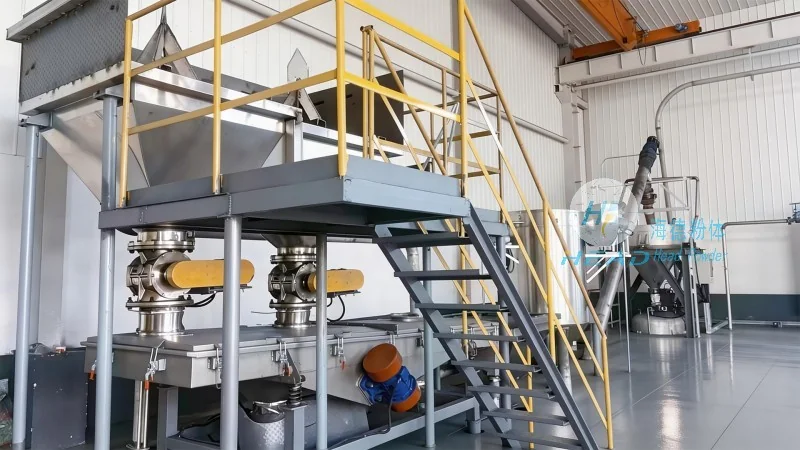
Conclusion
Large-scale powder conveying systems represent a cornerstone of modern industrial operations, enabling the efficient and reliable handling of bulk materials. The design principles that govern these systems are complex and require a deep understanding of material science, engineering, and operational requirements. Companies like Shandong HeadPowder Engineering Co., Ltd. play a vital role in developing and implementing these systems, providing tailored solutions that meet the unique needs of their clients. As industries continue to evolve, the importance of advanced powder handling technologies will only grow, making it essential for businesses to invest in reliable and efficient conveying systems to stay competitive and meet the demands of the modern market.