

What is Dry Ash Material Conveying? And What Are Its Design Principles?
Dry ash material conveying is a critical process in industrial applications, particularly in power plants and waste management facilities. It involves the efficient transportation of dry ash and other similar bulk materials from one location to another without the use of water or other liquids. This method is essential for maintaining operational efficiency and environmental compliance in various industrial settings. The technology behind dry ash material conveying has evolved significantly, offering reliable and cost-effective solutions for material handling challenges.
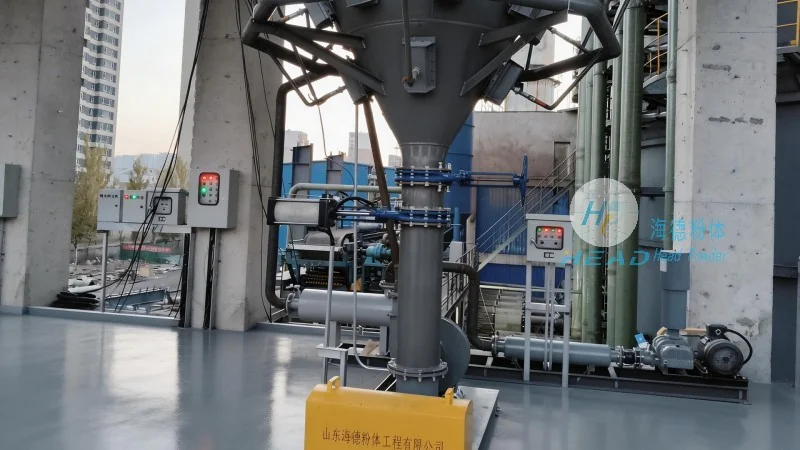
Understanding Dry Ash Material Conveying
At its core, dry ash material conveying refers to the movement of dry, powdery, or granular materials such as fly ash, bottom ash, and other industrial residues. Unlike wet ash handling, which involves slurry transport, dry ash conveying relies on mechanical systems to move the material through pipelines or other conveyance methods. The primary goal is to minimize dust emissions, reduce transportation costs, and ensure safe handling of the material. This process is integral to the overall operation of facilities that generate large volumes of ash, as it allows for the proper disposal or reuse of these materials.
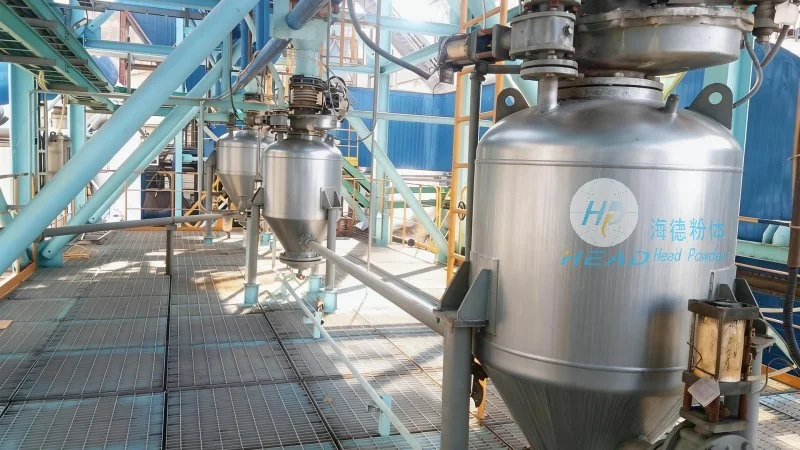
Design Principles of Dry Ash Material Conveying Systems
The design of dry ash material conveying systems follows several key principles to ensure optimal performance and reliability. First, the system must be capable of handling the specific characteristics of the ash, including its particle size, moisture content, and flowability. Engineers must consider factors such as the material's density, abrasiveness, and potential for dust generation when selecting components like conveyors, fans, and ductwork. Second, the system should be designed for minimal energy consumption while maintaining high throughput. This involves optimizing the airflow and pressure within the conveying lines to achieve efficient material transport. Third, safety and environmental considerations are paramount. The design must incorporate dust control measures, such as filtration systems and sealing mechanisms, to prevent air pollution and protect personnel. Additionally, the system should be built with durable materials to withstand the abrasive nature of the ash and the operational stresses of continuous use.
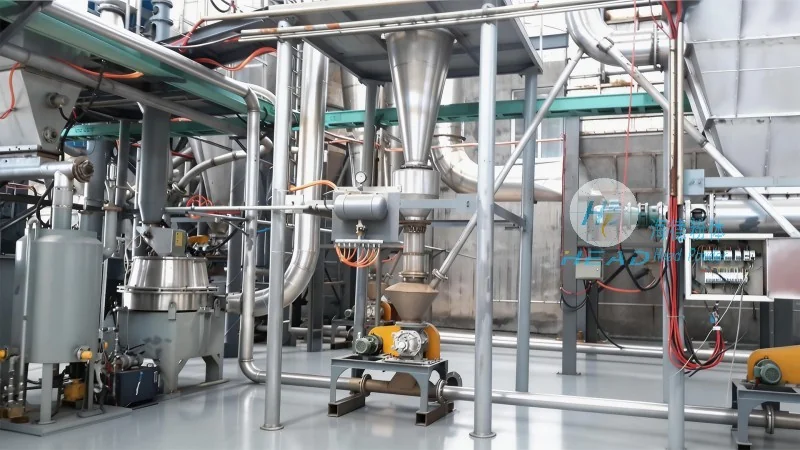
Key Components and Their Functions
Dry ash material conveying systems typically consist of several key components, each playing a crucial role in the overall operation. The primary components include the ash collection system, which gathers the ash from the source (e.g., boiler or furnace), the conveying equipment (such as pneumatic conveyors or mechanical screw conveyors), the air handling unit (including fans and filters), and the discharge system. The ash collection system is responsible for capturing the ash and transferring it to the conveying line. The conveying equipment moves the ash through the system, either by using air pressure (in pneumatic systems) or mechanical force (in screw or belt conveyors). The air handling unit provides the necessary airflow to transport the material and filters the air to remove dust particles. The discharge system then delivers the ash to its final destination, such as a storage silo or disposal site. Each component must be carefully selected and integrated to ensure the system operates smoothly and efficiently.
Application Scenarios and Benefits
Dry ash material conveying is widely used in various industrial applications, including thermal power plants, coal-fired facilities, and waste-to-energy plants. In these settings, the system is used to transport ash from the boiler to storage or disposal areas, reducing the need for manual handling and minimizing the risk of dust exposure. The benefits of dry ash material conveying include improved operational efficiency, reduced labor costs, and enhanced environmental protection. By eliminating the need for water in the transport process, the system also reduces the risk of water contamination and saves on water usage. Additionally, the use of dry ash conveying systems can extend the lifespan of equipment by reducing wear and tear from wet ash handling. Overall, these systems provide a reliable and cost-effective solution for managing ash materials in industrial environments.
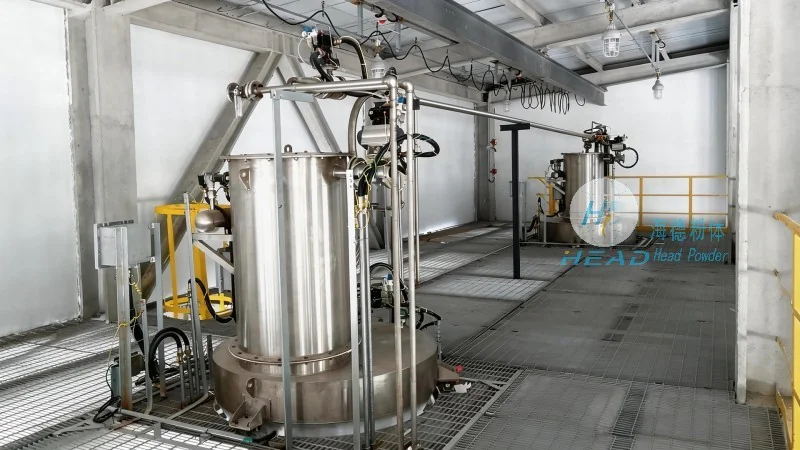
Conclusion and Company Profile
As the demand for efficient and sustainable material handling solutions grows, dry ash material conveying systems have become increasingly important in industrial operations. The design principles and components discussed above highlight the complexity and importance of these systems in ensuring safe and effective ash management. Shandong HeadPowder Engineering Co., Ltd., a leading provider of industrial material handling solutions, specializes in designing and manufacturing high-quality dry ash conveying systems. With a focus on innovation and customer satisfaction, HeadPowder offers tailored solutions that meet the specific needs of its clients. Based in Shandong, China, the company leverages its expertise and advanced technology to deliver reliable and efficient dry ash material conveying systems for various industrial applications. By choosing HeadPowder, clients can benefit from years of experience and a commitment to quality, ensuring their ash handling operations run smoothly and effectively.