

What is Petrochemical Material Handling? What Are the Design Principles?
Understanding the processes and principles behind the transportation of materials in the petrochemical industry is crucial for ensuring efficient and safe operations. This article explores the fundamental aspects of petrochemical material handling, focusing on the design principles that underpin effective systems. The transportation of bulk materials, liquids, and gases within petrochemical facilities requires specialized equipment and engineering solutions to meet the unique demands of this sector.
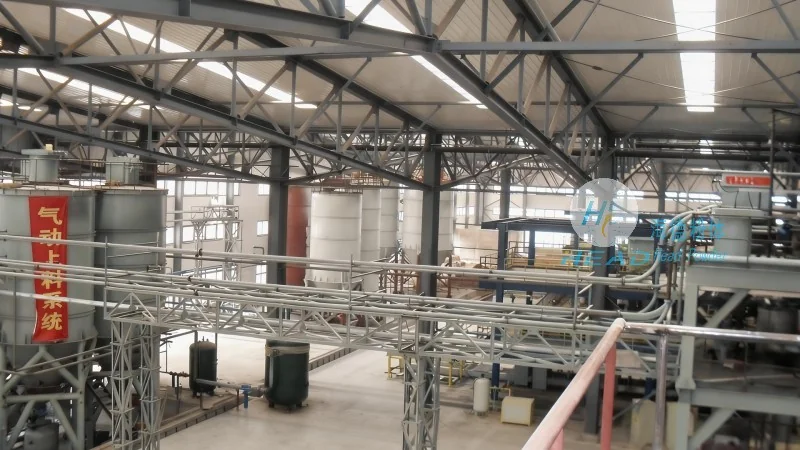
About Shandong HeadPowder Engineering Co., Ltd.
Shandong HeadPowder Engineering Co., Ltd., commonly known as HeadPowder, is a professional engineering company based in Shandong, China. With a strong commitment to quality and innovation, HeadPowder specializes in providing comprehensive solutions for material handling systems in various industrial sectors, including petrochemical applications. The company leverages years of experience and technical expertise to deliver tailored solutions that enhance operational efficiency and safety for its clients.
Key Design Principles for Petrochemical Material Handling
The design of petrochemical material handling systems involves several critical principles that ensure safety, efficiency, and reliability. These principles include: material compatibility, safety measures, energy efficiency, and system reliability. Each of these aspects plays a vital role in the successful operation of petrochemical facilities.
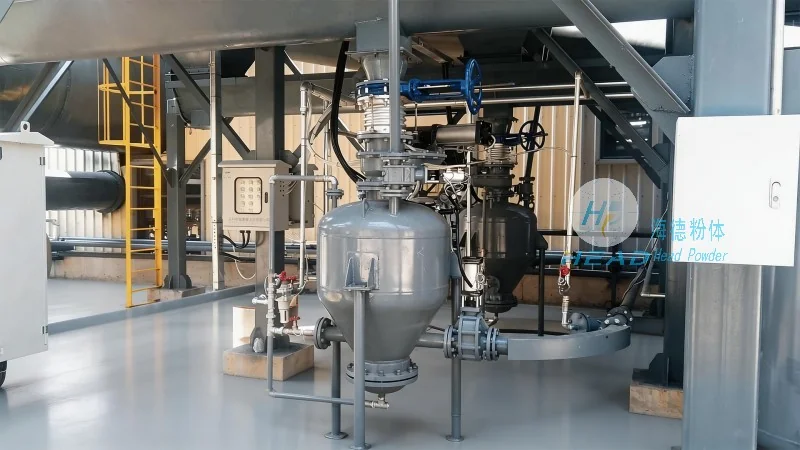
Material compatibility is a foundational principle. The selection of equipment and materials must be compatible with the chemical and physical properties of the substances being handled. For example, when dealing with corrosive chemicals, stainless steel or specialized coatings are used for pipelines and containers to prevent degradation. Similarly, for high-temperature applications, materials with high thermal resistance are employed to maintain structural integrity and prevent leaks.
Another critical principle is the implementation of robust safety measures. Petrochemical environments often involve hazardous materials, making it imperative to incorporate safety features like pressure relief valves, emergency shutdown systems, and proper ventilation. These measures are designed to minimize risks and protect personnel and equipment from potential accidents. Additionally, the system must comply with relevant industry standards and regulations, such as those set by the American Petroleum Institute (API) or the International Organization for Standardization (ISO).
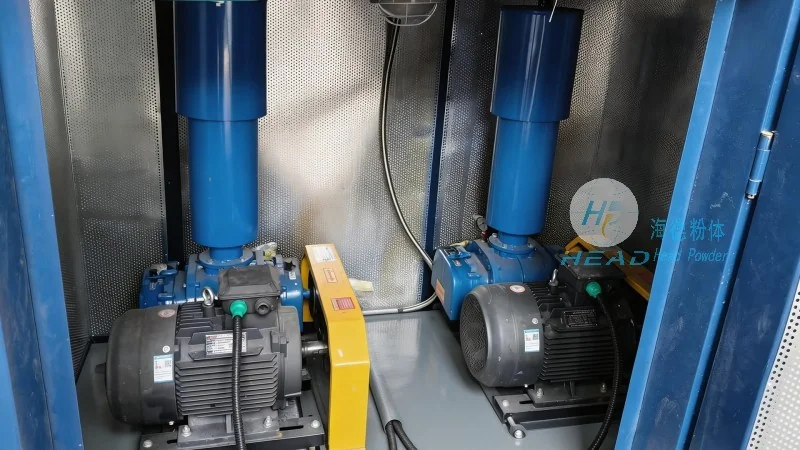
Efficiency is also a key design consideration. The system must be optimized to minimize energy consumption while maximizing throughput. This involves selecting the right type of conveyor or pump, ensuring proper sizing of pipelines, and implementing control systems that can adjust to varying operational conditions. For instance, variable frequency drives (VFDs) are commonly used to regulate motor speed, thereby reducing energy waste during periods of low demand. Furthermore, the use of automated control systems allows for real-time monitoring and adjustment, ensuring optimal performance.
Reliability is another essential factor. Petrochemical operations require systems that can operate continuously without frequent downtime. This necessitates the use of durable materials, such as stainless steel or specialized alloys, to resist corrosion and wear. Additionally, regular maintenance schedules and predictive monitoring systems are implemented to identify potential issues before they lead to failures. The integration of redundancy in critical components, such as pumps or valves, further enhances system reliability and ensures uninterrupted operation.
Equipment Selection and System Integration
The selection of appropriate equipment is a critical step in designing a petrochemical material handling system. This includes pumps, conveyors, storage tanks, and piping systems, each chosen based on the specific requirements of the application. For example, centrifugal pumps are commonly used for handling liquids with moderate viscosity, while positive displacement pumps are preferred for high-viscosity or abrasive materials. Conveyor systems, such as belt conveyors or screw conveyors, are selected based on the type of material (solid or granular) and the required capacity.
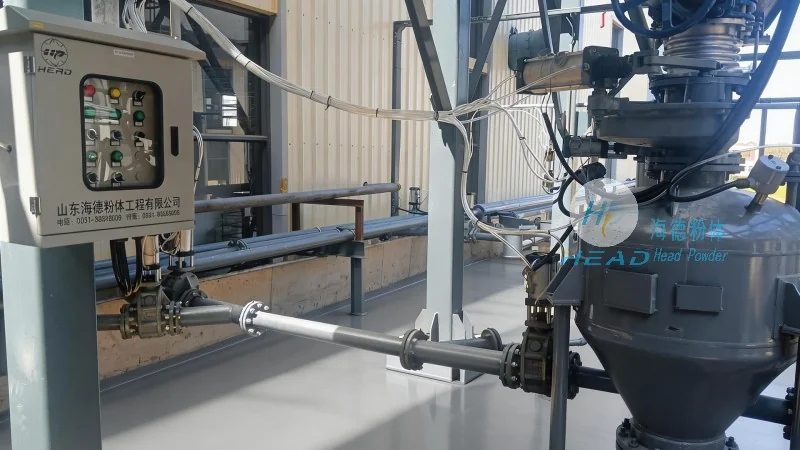
System integration is equally important. The material handling system must be integrated with other processes in the petrochemical facility, such as storage, processing, and packaging. This integration ensures seamless flow of materials and minimizes bottlenecks. For instance, the system may be connected to a control room where operators can monitor and control the entire process. The use of sensors and automation technologies allows for real-time data collection and analysis, enabling proactive maintenance and optimization.
Conclusion
In conclusion, petrochemical material handling is a complex process that requires careful consideration of design principles to ensure safety, efficiency, and reliability. The expertise of companies like Shandong HeadPowder Engineering Co., Ltd. is essential in developing and implementing effective material handling systems. By adhering to the key principles outlined above, petrochemical facilities can enhance their operational performance while minimizing risks and ensuring compliance with industry standards.