

What is Lysine Material Handling? What Are Its Design Principles?
Lysine is a vital amino acid widely utilized in animal feed and food sectors. Efficient material handling of lysine is crucial for preserving product quality, ensuring consistent supply, and optimizing production workflows. This article delves into the fundamentals of lysine material handling, focusing on key design principles that underpin effective systems for this essential nutrient.
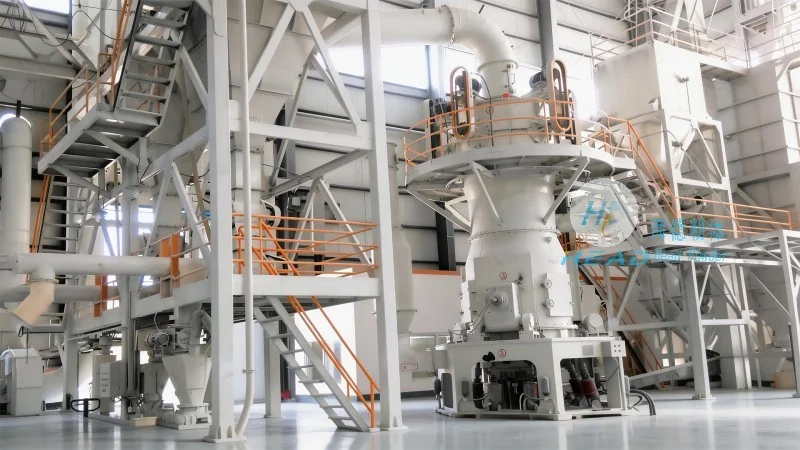
The Importance of Proper Lysine Material Handling
In industrial settings, lysine is produced in large volumes and must be transported from manufacturing facilities to storage or packaging areas. Inefficient handling can lead to product degradation, contamination risks, and increased operational costs. Proper handling ensures lysine retains its nutritional value and marketability. For manufacturers like Shandong HeadPowder Engineering Co., Ltd., based in China, implementing robust material handling solutions is a top priority to meet industry standards and customer expectations.
Key Design Principles for Lysine Material Handling Systems
Effective lysine material handling systems rely on several critical design principles to ensure safety, efficiency, and reliability. These principles include:
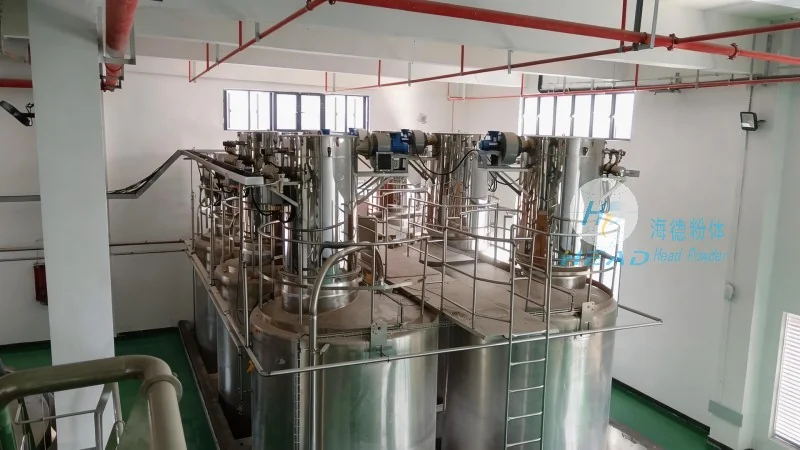
- Material Compatibility: Equipment must be constructed from materials resistant to corrosion and chemical reactions with lysine. Stainless steel is commonly used due to its durability and non-reactive properties.
- Prevention of Contamination: Systems must incorporate measures to avoid cross-contamination with other materials or environmental factors. This includes sealed conveying lines, clean-in-place (CIP) capabilities, and proper ventilation.
- Energy Efficiency: Designing systems that minimize energy consumption while maintaining high throughput is crucial for cost-effectiveness. This may involve selecting appropriate motor sizes, optimizing conveyor speeds, and using energy-efficient components.
- Safety and Ergonomics: Ensuring the handling process is safe for operators and meets regulatory requirements is paramount. This includes proper guarding of moving parts, emergency stop mechanisms, and ergonomic design of control panels.
Common Equipment Used in Lysine Material Handling
Several types of equipment are commonly employed in lysine material handling operations. These include:
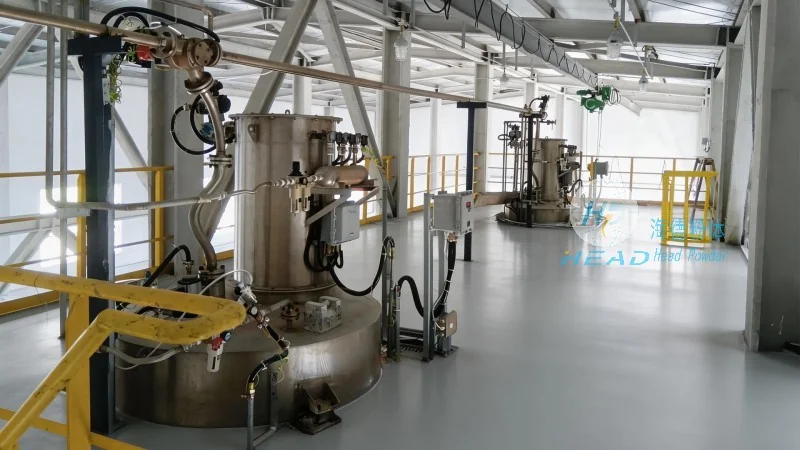
- Conveyors: Belt conveyors, screw conveyors, and pneumatic conveyors are used to transport lysine. Belt conveyors are ideal for bulk material transport, while screw conveyors are suitable for vertical or inclined movement.
- Hoppers and Bins: Large storage hoppers and bins are used to hold lysine before processing or packaging. These containers are designed to prevent material buildup and ensure smooth flow.
- Pumps and Valves: For liquid or slurry forms of lysine, pumps and valves control flow and direction. These components must handle lysine's specific properties.
- Feeding Systems: Automated feeding systems ensure consistent, controlled release of lysine into processing or packaging equipment, reducing human error and improving product uniformity.
Case Study: Shandong HeadPowder Engineering Co., Ltd.
Shandong HeadPowder Engineering Co., Ltd., a leading manufacturer based in China, specializes in providing customized material handling solutions for lysine and other bulk materials. The company's expertise lies in designing systems that meet unique lysine industry requirements, ensuring high efficiency, safety, and compliance with international standards. By leveraging advanced engineering and manufacturing capabilities, HeadPowder has become a trusted partner for many lysine producers, helping them optimize material handling processes and enhance overall productivity.
Conclusion: The Role of Design Principles in Lysine Material Handling
Effective lysine material handling is a complex process requiring careful consideration of design principles to ensure optimal performance. From material compatibility and contamination prevention to energy efficiency and safety, each aspect plays a critical role in maintaining lysine product quality and integrity. Companies like Shandong HeadPowder Engineering Co., Ltd. play a vital role in developing and implementing these systems, contributing to the efficiency and success of the lysine industry. By adhering to these design principles, manufacturers can ensure lysine is handled safely and efficiently, meeting the demands of a competitive global market.