

What is Casting Sand Material Conveying? What Are the Design Principles?
When it comes to the manufacturing processes in foundries, the efficient handling and transportation of casting sand materials are critical for maintaining productivity and ensuring the quality of the final products. This article delves into the concept of casting sand material conveying systems and explores the fundamental design principles that underpin their operation.
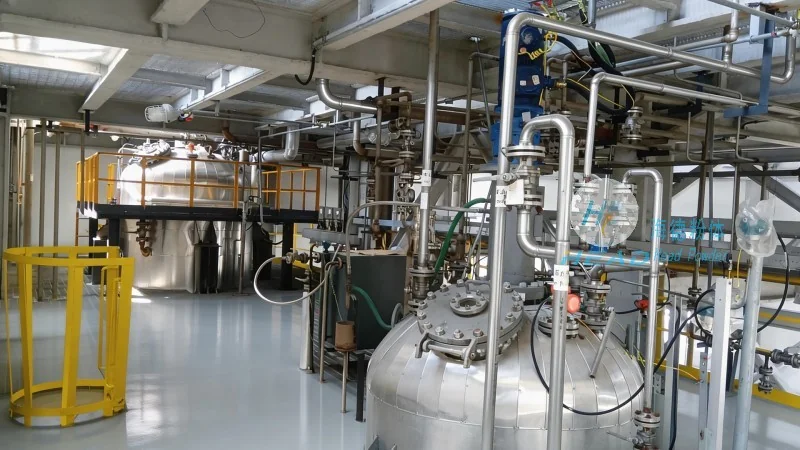
Understanding Casting Sand Material Conveying
Casting sand material conveying refers to the process of transporting sand, which is a key raw material in the casting industry, from storage areas to various points within a foundry, such as molding machines, reclamation systems, or disposal sites. The effectiveness of this process directly impacts the overall workflow and operational efficiency of a foundry. Proper conveying systems ensure that sand is delivered in a controlled manner, minimizing material loss, reducing labor costs, and preventing contamination.
HeadPowder: A Leading Provider in Foundry Solutions
At Shandong HeadPowder Engineering Co., Ltd., we specialize in providing advanced engineering solutions for the foundry industry. Our company, commonly known as HeadPowder, has been at the forefront of developing innovative material handling systems tailored to the unique needs of casting operations. With a focus on precision, reliability, and durability, our products are designed to meet the demanding requirements of modern foundries.
The Core Design Principles of Casting Sand Conveying Systems
The design of a casting sand material conveying system involves several key principles that ensure optimal performance. First, the system must be capable of handling the specific characteristics of casting sand, which can vary in terms of particle size, moisture content, and bulk density. This requires the selection of appropriate equipment, such as belt conveyors, screw conveyors, or pneumatic conveying systems, each with its own advantages and limitations.
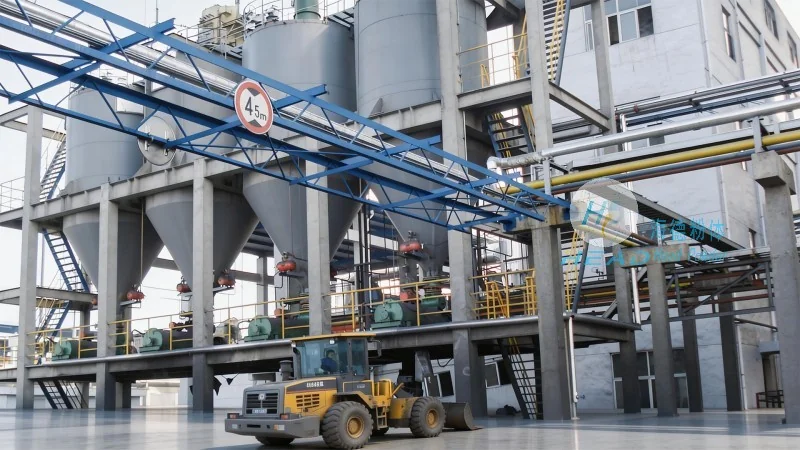
Second, the design must consider the flow characteristics of the material. Sand is a granular material, and its behavior during transport can be influenced by factors like friction, gravity, and air resistance. Engineers must analyze these factors to ensure that the conveying system maintains a consistent flow rate and prevents issues like blockages or material degradation. This often involves the use of specialized components, such as feeders, chutes, and transition sections, which are carefully designed to minimize friction and maintain the integrity of the sand particles.
Third, the system's layout and integration with other foundry equipment are crucial. A well-designed conveying system should be seamlessly integrated with the molding, reclamation, and disposal processes, ensuring a smooth and continuous workflow. This may involve the use of multiple conveyors connected in series or parallel, with appropriate controls to manage the flow of material based on production demands.
Key Components and Their Functions
Several key components make up a typical casting sand material conveying system. The primary components include feeders, which regulate the flow of sand from storage bins or hoppers; conveyors, which transport the sand along the desired path; and control systems, which monitor and adjust the operation of the equipment. Feeders, such as rotary or vibratory feeders, are essential for maintaining a consistent feed rate, preventing overloading or underloading of the conveyor. Conveyors, such as belt or screw conveyors, provide the mechanical means to move the sand, with the choice of equipment depending on the specific application and material characteristics.
Chutes and transition sections are also critical components, as they guide the sand from one conveyor to another or from a feeder to a conveyor. These components are designed to minimize the impact and friction on the sand particles, reducing the risk of material breakdown or contamination. Additionally, the system may include dust collection and filtration systems to control airborne particles and ensure a clean working environment.
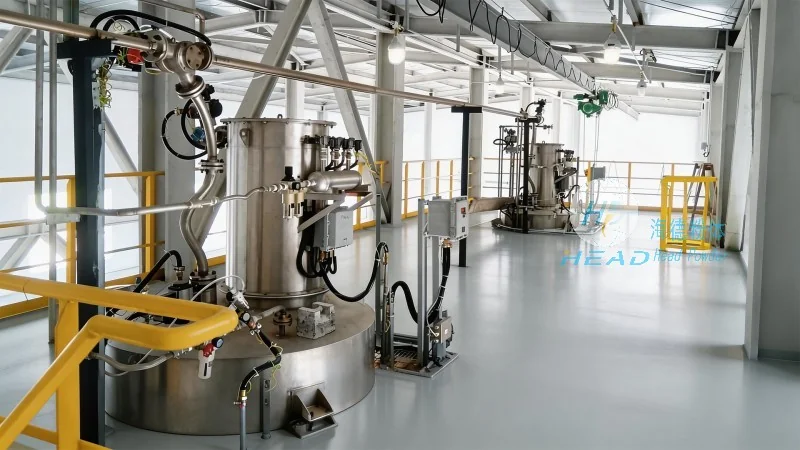
Benefits of Properly Designed Conveying Systems
Implementing an effectively designed casting sand material conveying system offers numerous benefits for foundries. Firstly, it enhances operational efficiency by reducing the time and labor required for material handling. By automating the transport of sand, foundries can increase their production capacity and reduce downtime. Secondly, it improves material quality by minimizing contamination and maintaining the integrity of the sand particles. This is particularly important for high-quality casting applications where the sand's properties directly affect the final product's performance.
Thirdly, a well-designed system contributes to cost savings. By reducing material loss and minimizing the need for manual handling, foundries can lower their operational costs. Additionally, the use of durable and efficient equipment can extend the lifespan of the system, reducing long-term maintenance expenses. Finally, proper conveying systems enhance workplace safety by reducing the risk of accidents associated with manual material handling and dust exposure.
Conclusion
In conclusion, casting sand material conveying is a vital aspect of foundry operations, and the design principles behind these systems are critical to their success. At Shandong HeadPowder Engineering Co., Ltd., we understand the importance of efficient material handling and are committed to providing innovative solutions that meet the unique needs of our clients. By focusing on the key design principles and incorporating advanced engineering, our conveying systems ensure optimal performance, reliability, and cost-effectiveness for foundries worldwide.