

What is Artificial Graphite Material Handling? What are the Design Principles?
Artificial graphite material handling refers to the process of transporting and managing artificial graphite materials, which are widely used in various industrial applications due to their excellent electrical conductivity, thermal stability, and chemical resistance. This type of material handling is crucial for ensuring efficient production and safe operation in industries such as battery manufacturing, metallurgy, and chemical processing.
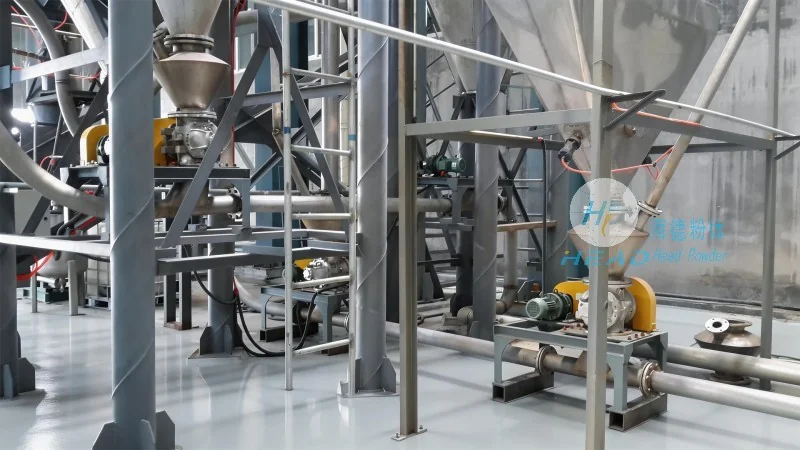
Understanding Artificial Graphite Material Handling
Artificial graphite is produced through a series of processes that convert carbon into a highly ordered crystalline structure. This material is then used in various forms, including powders, granules, and blocks, for different material handling applications. The handling of artificial graphite requires specialized equipment and methods to prevent contamination, dust generation, and material degradation. Proper material handling is essential to maintain the quality and performance of the graphite products.
Key Design Principles for Artificial Graphite Material Handling Systems
The design of artificial graphite material handling systems follows several key principles to ensure efficiency, safety, and product integrity. These principles include:
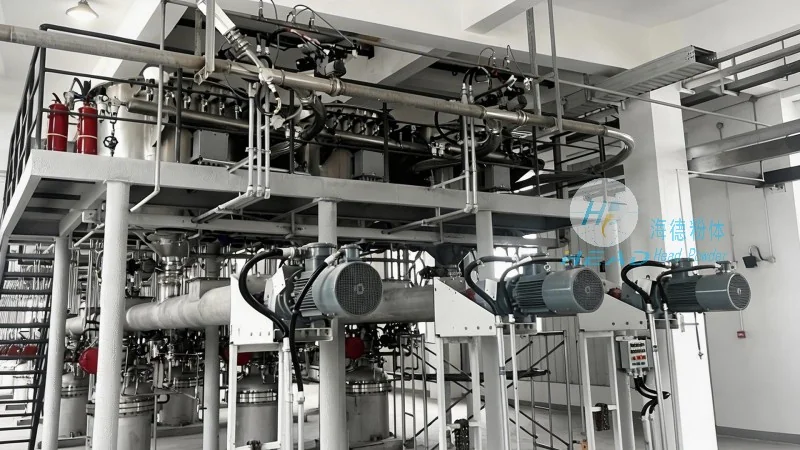
- Material Compatibility: Equipment and materials used in the handling process must be compatible with artificial graphite to avoid chemical reactions or contamination. This includes using non-reactive surfaces and appropriate sealing mechanisms.
- Dust Control: Effective dust suppression and collection systems are critical to prevent airborne graphite particles, which can pose health risks and affect product quality. Enclosed systems, vacuum transport, and filtration are commonly employed.
- Temperature Management: Artificial graphite can be sensitive to temperature fluctuations, especially during processing. Proper temperature control is necessary to maintain material properties and prevent thermal degradation. Heating or cooling systems may be integrated into the handling equipment.
- Flow Optimization: Ensuring smooth material flow is essential to minimize blockages and maintain consistent throughput. This involves designing appropriate hopper angles, conveyor slopes, and feeding mechanisms to achieve optimal material movement.
- Automation and Control: Modern material handling systems often incorporate automation and control technologies to enhance precision and reduce human error. Sensors, programmable logic controllers (PLCs), and automated feeding systems help maintain consistent material flow and quality.
Components of Artificial Graphite Material Handling Systems
Artificial graphite material handling systems typically consist of several key components that work together to transport and process the material. These components include:
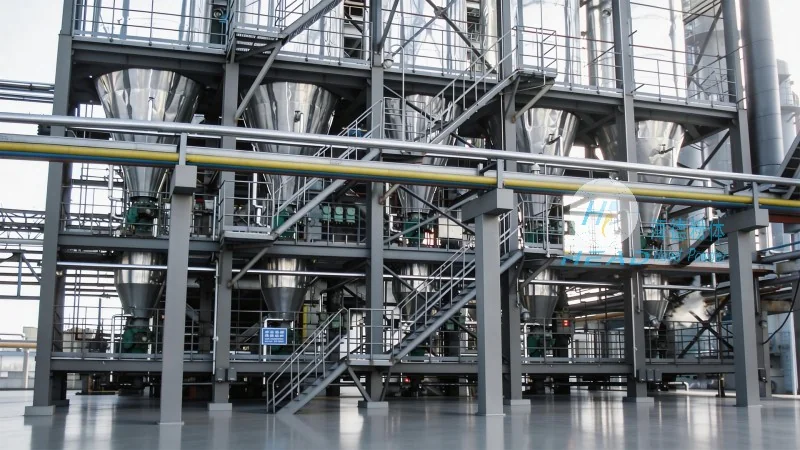
- Feeders and Hoppers: These devices are used to store and feed artificial graphite into the handling system. Hoppers are designed with appropriate angles to prevent material bridging and ensure smooth discharge. Feeders, such as rotary or vibratory types, regulate the flow rate of the material.
- Conveyors: Conveyors are used to transport artificial graphite over short or long distances. Belt conveyors, screw conveyors, and pneumatic conveyors are commonly used, depending on the application and material characteristics. Belt conveyors are ideal for dry materials like graphite powders, while screw conveyors are suitable for bulkier materials.
- Processing Equipment: Additional equipment may be integrated into the system for processing the artificial graphite, such as grinding mills, mixing machines, or sintering furnaces. These components are designed to maintain the material's quality and properties during processing.
- Dust Collection and Filtration: To ensure a safe and clean working environment, dust collection systems are essential. These systems capture airborne graphite particles and filter them before releasing air back into the environment. High-efficiency particulate air (HEPA) filters are often used to ensure compliance with safety regulations.
Applications of Artificial Graphite Material Handling
Artificial graphite material handling is used in a wide range of industrial applications where its unique properties are beneficial. Some common applications include:

- Battery Manufacturing: Artificial graphite is a key component in lithium-ion batteries, where it serves as the anode material. Efficient material handling is crucial to ensure consistent anode quality and battery performance.
- Metallurgy: Graphite is used in the production of high-purity metals, such as aluminum and copper, where it acts as a refractory material and a reducing agent. Proper material handling ensures the purity and quality of the final metal products.
- Chemical Processing: Artificial graphite is used in various chemical processes, including catalysis and as a heat transfer medium. Handling systems must be designed to prevent chemical reactions and maintain material integrity.
- Electrical and Electronics: Graphite is used in electrodes, brushes, and other electrical components. Material handling systems must ensure the material's conductivity and purity are maintained throughout the production process.
Importance of Proper Material Handling for Artificial Graphite
Proper material handling is essential for maintaining the quality, performance, and safety of artificial graphite products. Improper handling can lead to contamination, dust exposure, and material degradation, which can negatively impact the final product's properties and performance. By following the design principles and using appropriate equipment, manufacturers can ensure that artificial graphite is handled safely and efficiently, leading to consistent product quality and improved operational performance.
HeadPowder, a leading manufacturer based in Shandong, China, specializes in the production and handling of artificial graphite materials. With years of experience in the industry, HeadPowder provides high-quality artificial graphite products and material handling solutions tailored to meet the specific needs of various industries. The company's commitment to quality and safety ensures that its products meet the highest standards, making it a trusted partner for businesses worldwide.