

What is a Sodium Chlorate Material Handling System? What Are Its Design Principles?
Sodium chlorate is a widely used chemical compound in various industrial applications, including pulp and paper production, chemical synthesis, and water treatment. Due to its reactive nature and potential hazards, handling sodium chlorate requires specialized equipment and a well-designed material handling system. This article explores the components and design principles of a sodium chlorate material handling system, highlighting the importance of safety, efficiency, and compliance with industry standards.
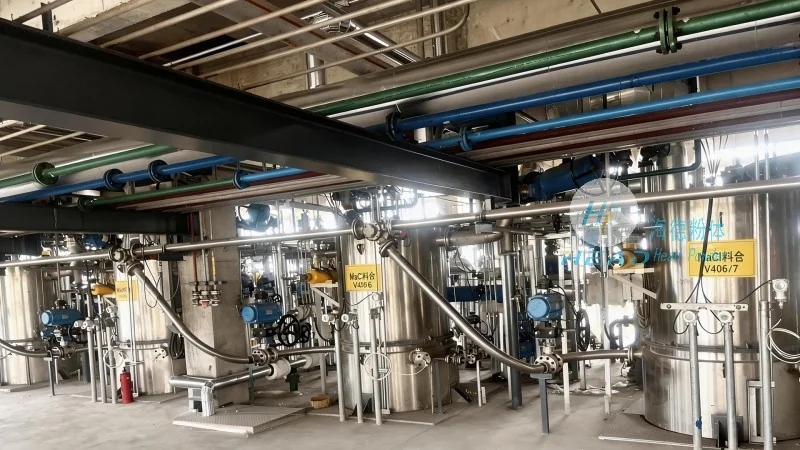
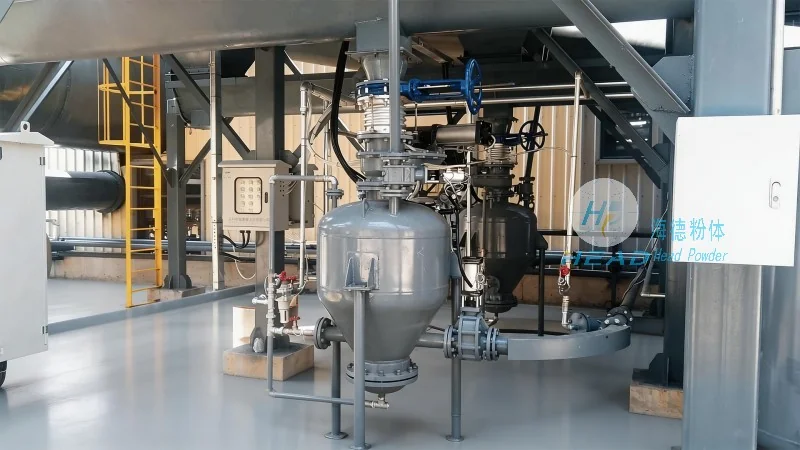
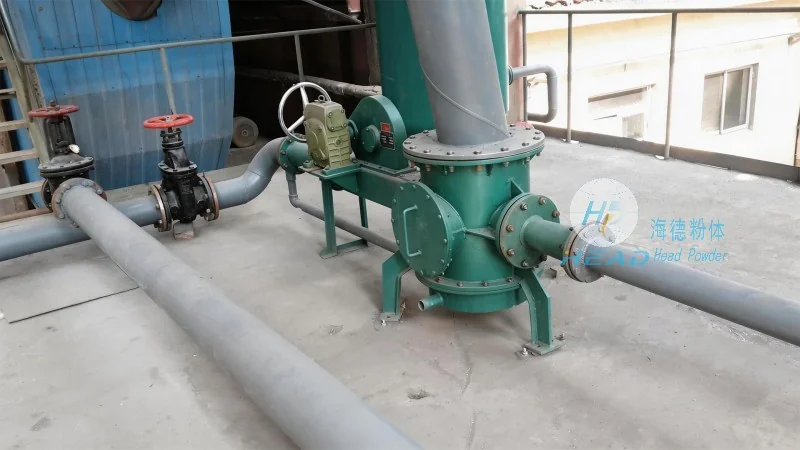
HeadPowder Engineering, a leading provider of chemical processing solutions, specializes in designing and implementing tailored material handling systems for sodium chlorate and other hazardous materials. With years of experience in the chemical industry, the company understands the unique challenges associated with transporting sodium chlorate, such as its sensitivity to moisture, heat, and mechanical stress. The following sections detail the key elements of a robust sodium chlorate material handling system and the underlying design principles that ensure safe and reliable operation.
Key Components of a Sodium Chlorate Material Handling System
A typical sodium chlorate material handling system consists of several interconnected components, each playing a critical role in the safe and efficient transport of the material. The primary components include: