

What is a Water Glass Material Handling System? What Are Its Design Principles?
Water glass, also known as sodium silicate, is a versatile chemical widely used in various industrial applications, including construction, glass manufacturing, and water treatment. When handling water glass materials, specialized systems are required to ensure efficient and safe transportation. This article explores the concept of a water glass material handling system and delves into its fundamental design principles, highlighting the importance of tailored solutions for optimal performance.

Understanding the Water Glass Material Handling System
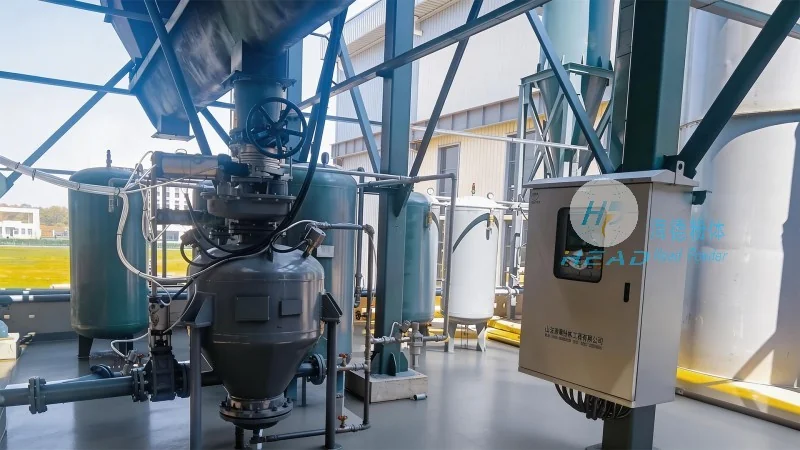
A water glass material handling system is a specialized setup designed to transport and manage water glass materials from one location to another within an industrial facility. These systems are crucial for maintaining production efficiency, ensuring material integrity, and adhering to safety regulations. The system typically includes components such as hoppers, conveyors, storage tanks, and control mechanisms, all working in tandem to facilitate smooth material flow.
Key Components of the System
The effectiveness of a water glass material handling system relies on its key components, each playing a vital role in the overall operation. The primary components include:
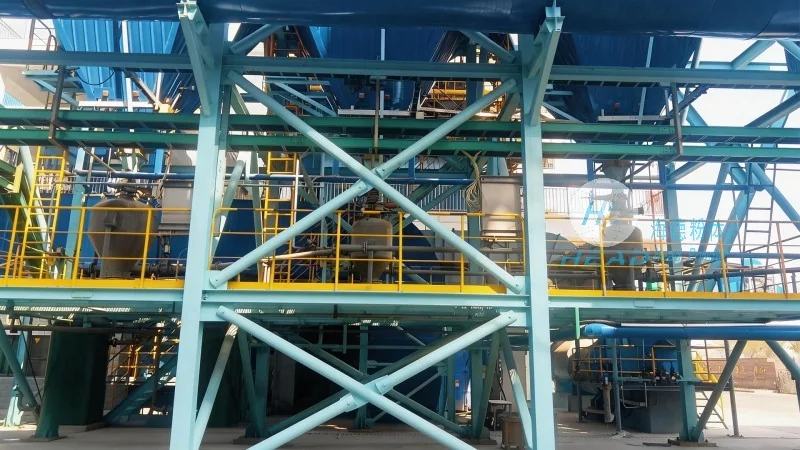
- Hoppers: These are containers used to store and feed water glass materials into the system. They are designed to handle the bulk nature of water glass and ensure a consistent flow of material to the next stage.
- Conveyors: Conveyors, such as belt conveyors or screw conveyors, are used to transport water glass from the hoppers to processing units or storage areas. The choice of conveyor type depends on the material's characteristics, including its viscosity and flowability.
- Storage Tanks: For larger-scale operations, storage tanks are employed to hold water glass in bulk quantities. These tanks are equipped with agitators or mixing mechanisms to maintain the material's consistency and prevent solidification.
- Control Systems: Advanced control systems, often integrated with sensors and automation technology, monitor the system's performance, adjust flow rates, and ensure safety protocols are followed.
Design Principles for Optimal Performance
The design of a water glass material handling system must adhere to several key principles to ensure efficiency, safety, and longevity. These principles include:
- Material Compatibility: The system's components must be compatible with water glass, which can be corrosive and viscous. Materials like stainless steel or specialized plastics are commonly used to prevent degradation and maintain material quality.
- Flow Management: Proper design of hoppers and conveyors is essential to prevent material bridging, caking, or blockages. This involves considering the material's rheology and implementing features like vibration or agitators to maintain flow.
- Safety and Environmental Considerations: The system must comply with safety standards to protect operators from exposure to water glass dust or fumes. Additionally, measures like dust collection systems and containment structures are incorporated to minimize environmental impact.
- Scalability and Flexibility: The design should allow for scalability to accommodate future production increases and flexibility to adapt to different material types or processing requirements.
Applications and Benefits
Water glass material handling systems are widely used in various industries, offering several benefits that enhance operational efficiency and product quality. Some common applications include:
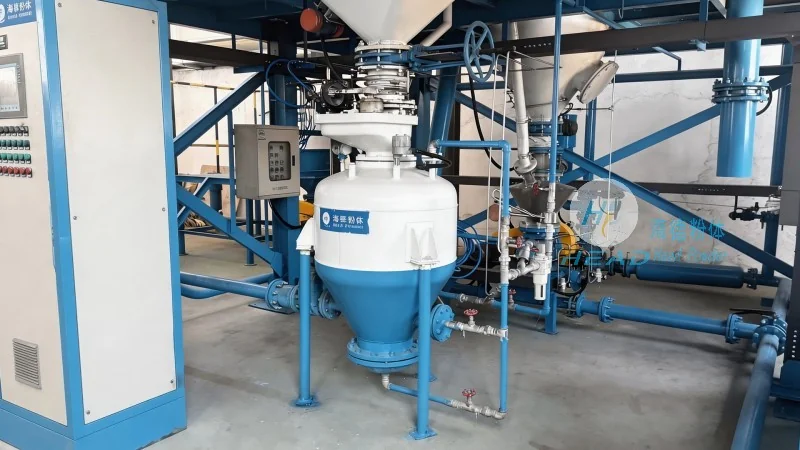
- Construction Industry: Water glass is used as a binder in concrete and mortar, and the handling system ensures consistent mixing and application.
- Glass Manufacturing: In glass production, water glass serves as a flux and is transported efficiently to the melting furnaces.
- Water Treatment: Water glass is used in water treatment processes to coagulate and flocculate suspended particles, and the system ensures accurate dosing and distribution.
By implementing a well-designed water glass material handling system, companies can achieve improved productivity, reduced downtime, and enhanced safety, ultimately contributing to better overall performance and profitability.