

What is a Chlorinated Polyethylene Material Handling System? What are the Design Principles?
Chlorinated polyethylene (CPE) is a versatile thermoplastic polymer that has become a preferred material in the design of material handling systems, especially in industries where chemical resistance and durability are critical. This article explores the fundamentals of chlorinated polyethylene material handling systems and the key design principles that ensure their effectiveness and longevity.
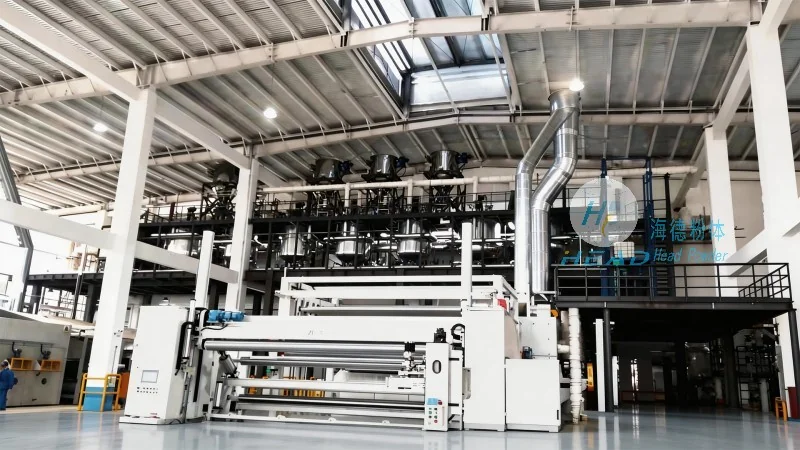
Introduction to Chlorinated Polyethylene Material Handling Systems
Material handling systems are essential for the efficient movement of bulk materials from one point to another in various industrial settings. The choice of material for these systems is paramount, as it directly impacts performance, safety, and operational costs. Chlorinated polyethylene, with its unique combination of properties, offers an excellent solution for applications involving corrosive substances, high temperatures, or abrasive environments. By leveraging CPE's resistance to chemicals, UV radiation, and mechanical stress, engineers can design systems that maintain integrity and functionality over extended periods.
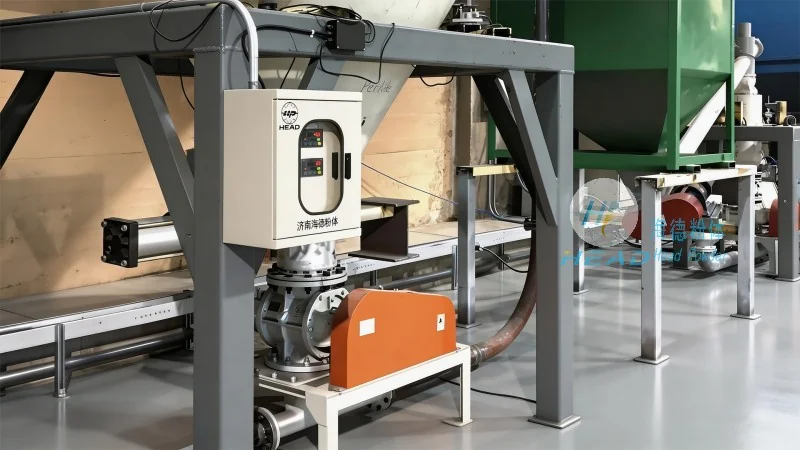
HeadPowder's Expertise in Designing Chlorinated Polyethylene Systems
Shandong HeadPowder Engineering Co., Ltd., a leading manufacturer and designer of industrial material handling equipment, specializes in creating customized solutions using chlorinated polyethylene. HeadPowder, based in Shandong, China, has built a reputation for delivering high-quality systems that meet the stringent requirements of diverse industries. The company's team of experienced engineers leverages advanced manufacturing techniques and rigorous testing protocols to ensure that each CPE-based system is tailored to the specific needs of the client. Whether for bulk solids, liquids, or slurries, HeadPowder's solutions are engineered for reliability and performance.
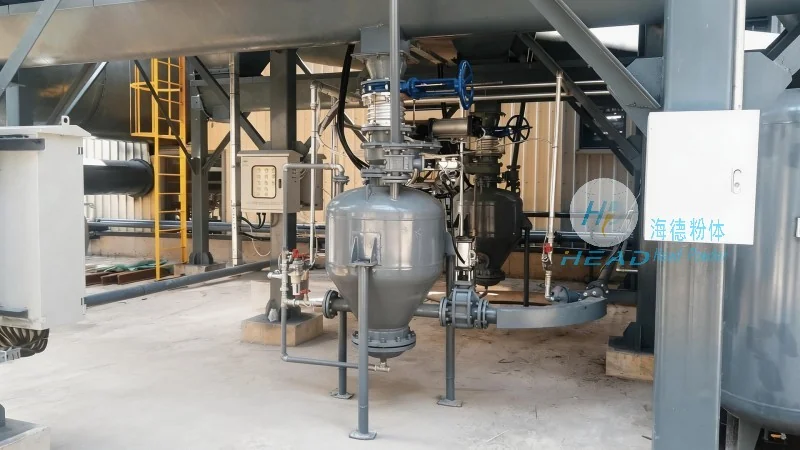
Key Design Principles for Chlorinated Polyethylene Material Handling Systems
The design of a chlorinated polyethylene material handling system involves several critical principles that ensure optimal operation and longevity. First, material selection is based on the specific chemical and environmental conditions the system will encounter. CPE's ability to resist a wide range of acids, bases, and solvents makes it suitable for applications in chemical processing, pharmaceuticals, and food processing industries. Second, structural integrity is paramount; the system must be designed to withstand mechanical stresses, including impact, vibration, and pressure. This is achieved through robust fabrication techniques, such as extrusion and molding, which maintain the material's inherent properties. Third, sealing and joint design are critical to prevent leaks and maintain containment. HeadPowder employs advanced sealing technologies, including gaskets and welded joints, to ensure airtight and watertight connections. Fourth, system integration and compatibility are considered to ensure seamless operation with existing infrastructure. This includes matching the system's dimensions, flow rates, and control mechanisms to the client's requirements.
Application Examples and Performance Benefits
Chlorinated polyethylene material handling systems are widely used in various industrial applications. For instance, in chemical plants, CPE pipelines and conveyor components are used to transport corrosive chemicals without degradation. In the food industry, CPE systems are preferred for their non-toxicity and resistance to cleaning agents, ensuring compliance with food safety regulations. The performance benefits of these systems include reduced maintenance costs, extended service life, and enhanced safety. By minimizing the risk of material leakage or system failure, CPE-based systems contribute to improved operational efficiency and lower downtime. Additionally, the lightweight nature of CPE allows for easier installation and maintenance, further enhancing its appeal in modern industrial settings.
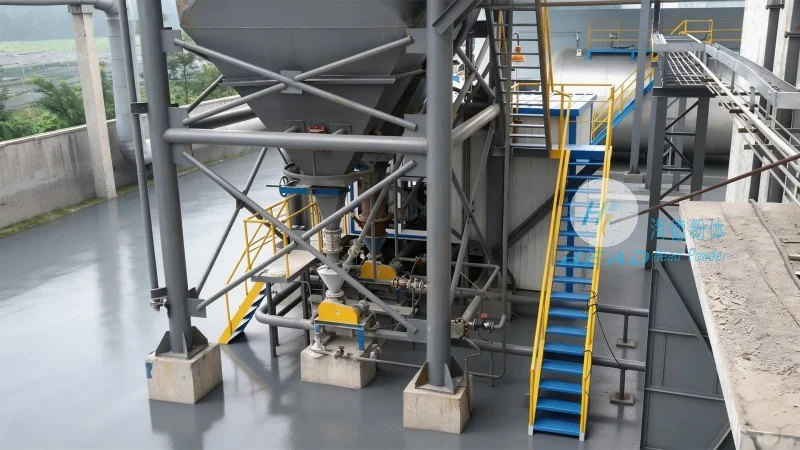
Conclusion and Future Considerations
Chlorinated polyethylene material handling systems represent a reliable and efficient solution for industries requiring robust, chemical-resistant equipment. The design principles outlined above, combined with the expertise of manufacturers like Shandong HeadPowder Engineering Co., Ltd., ensure that these systems meet the highest standards of performance and durability. As industrial demands evolve, continued research and development in CPE technology will likely lead to even more advanced material handling solutions, further solidifying its role in modern manufacturing and processing.