

What is a Gravity Dust Removal Material Handling System? What are its Design Principles?
Gravity dust removal material handling systems represent a critical component in industrial operations, particularly in environments where air quality and material efficiency are paramount. These systems are engineered to separate dust and fine particles from bulk materials during the handling process, ensuring both environmental compliance and operational safety. Understanding the functionality and design principles of such systems is essential for industries ranging from mining and construction to food processing and pharmaceuticals.
Understanding the Core Function of Gravity Dust Removal Systems
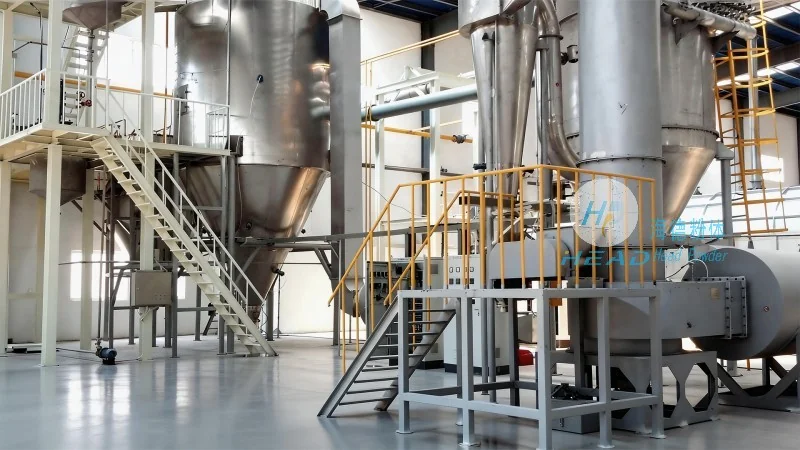
The primary function of a gravity dust removal system is to capture and remove airborne dust particles generated during material handling activities. Unlike mechanical or electrostatic filters, gravity-based systems utilize the natural settling velocity of particles under the influence of gravity. This approach is particularly effective for larger dust particles, as they have a higher settling rate compared to smaller, lighter particles. The system typically consists of a hopper or collection chamber where the material is introduced, and a ductwork system that directs the air flow and particulate separation.
Key Design Principles Behind Gravity Dust Removal Systems
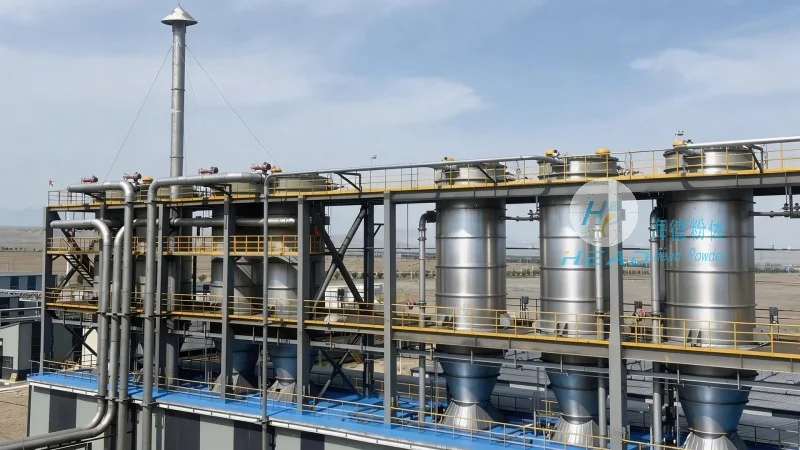
The design of a gravity dust removal system is governed by several fundamental principles that ensure optimal performance. The most critical is the principle of particle settling velocity, which dictates the size and shape of the collection chamber and ductwork. Larger, denser particles will settle faster and require shorter vertical or inclined pathways, while smaller particles may need longer or more complex duct configurations to achieve effective separation. Additionally, the system must consider the material's bulk density and flow characteristics, as these factors influence the velocity of the material stream and the air flow within the system. Proper design also involves maintaining a consistent air velocity to prevent re-entrainment of settled particles and ensuring adequate ventilation to meet occupational health standards.
How Gravity Dust Removal Systems Work in Material Handling
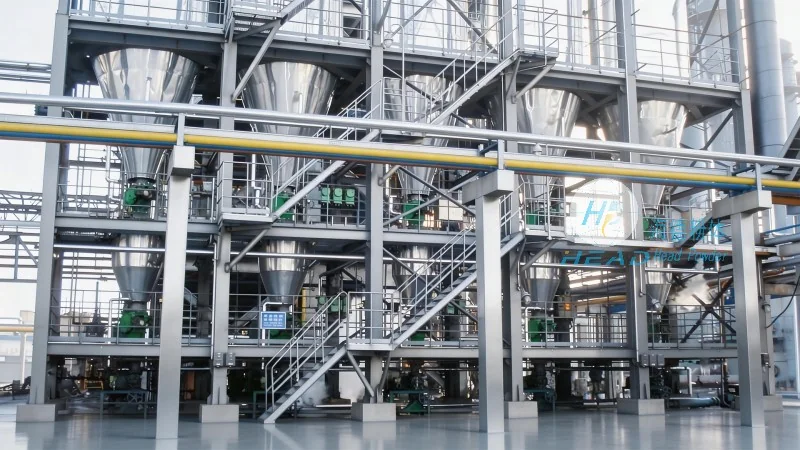
In operation, the material is fed into the system, often through a hopper or feeder, and then conveyed through a series of ducts and chambers. As the material moves, air is drawn in or expelled, creating a flow that carries the dust particles. The design of the system ensures that larger dust particles are separated from the air stream due to their higher settling velocity. These particles then fall into a collection bin or hopper, while the cleaned air is either vented to the atmosphere or recirculated if necessary. The efficiency of the system is directly related to the design of the settling chambers, the air velocity, and the material's physical properties. For example, in a coal handling plant, a gravity dust removal system might be used to capture coal dust during loading and unloading operations, protecting workers and reducing environmental impact.
The Role of HeadPowder in Providing Gravity Dust Removal Solutions
HeadPowder, a leading engineering company based in Shandong, China, specializes in the design, manufacturing, and installation of gravity dust removal and material handling systems. With years of experience in the industry, HeadPowder has developed a range of solutions tailored to meet the specific needs of various industries. The company's approach involves a thorough understanding of the client's operational requirements, material characteristics, and environmental regulations. By leveraging advanced engineering principles and state-of-the-art technology, HeadPowder ensures that its systems are not only efficient but also cost-effective and reliable. The company's team of experts works closely with clients to provide customized solutions that enhance productivity while maintaining compliance with local and international standards.
Technical Specifications and Application Scenarios
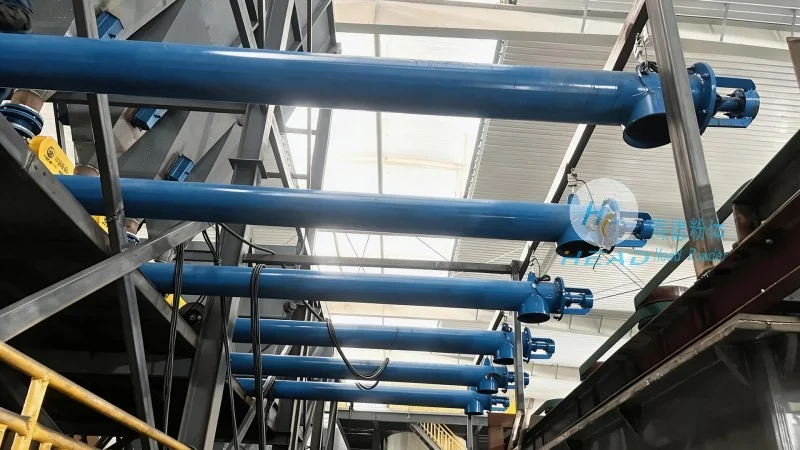
Gravity dust removal systems from HeadPowder are designed with a focus on durability and performance. Technical specifications typically include the system's capacity, the size of the collection chamber, the maximum air velocity, and the material's bulk density. These systems are suitable for a wide range of applications, including but not limited to, bulk material handling in mining, construction, and agriculture, as well as in industrial processes such as cement production, food processing, and pharmaceutical manufacturing. The systems are engineered to handle various materials, from fine powders to coarse granules, and can be integrated with existing material handling infrastructure to minimize disruption during installation. HeadPowder's commitment to quality and customer satisfaction has made it a trusted partner for industries seeking reliable dust removal solutions.