

What is a Beer Brewery Pellet Material Handling System? And What Are Its Design Principles?
Beer breweries generate a significant amount of byproduct known as spent grain or beer pellets. Efficient handling and transportation of this material are crucial for maintaining operational efficiency and sustainability in the brewing process. This article explores the beer brewery pellet material handling system, detailing its components, operational mechanisms, and the underlying design principles that ensure effective material transport within a brewery setting.
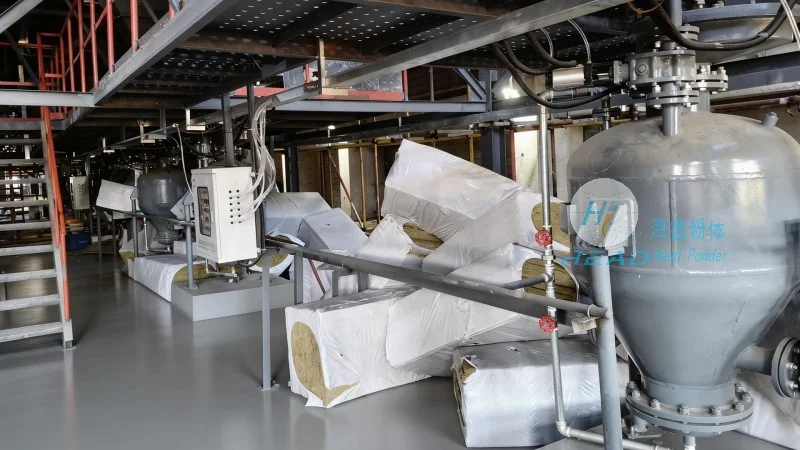
Understanding the Beer Brewery Pellet Material Handling System
The beer brewery pellet material handling system is a specialized setup designed to collect, transport, and manage spent grain or beer pellets from various points in the brewing process to designated storage or processing areas. This system is integral to the overall workflow in breweries, as it directly impacts the efficiency of material movement and the subsequent utilization of the byproduct. The system typically integrates multiple components, including collection hoppers, conveyor systems, and storage silos, all working in tandem to ensure a seamless material flow.
Key Components of the Material Handling System
At the core of the beer brewery pellet material handling system are several key components that work together to facilitate material transport. The primary components include:
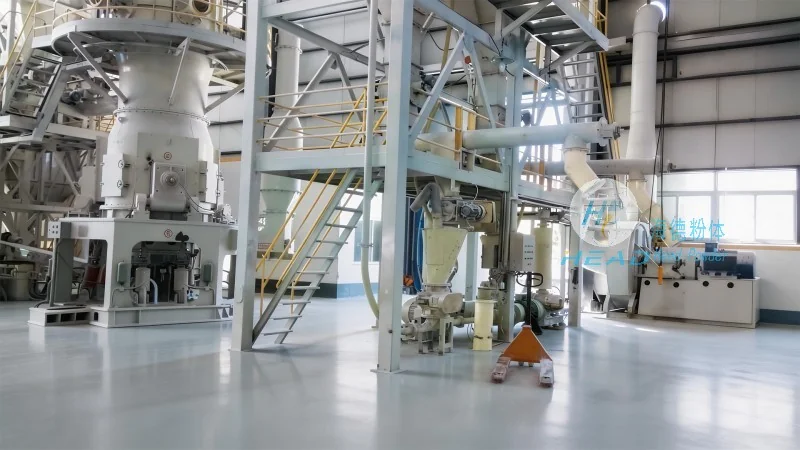
- Collection Hoppers: These are used to gather spent grain or beer pellets from the brewing tanks or filtration stages. They are designed to hold the material temporarily before it is transferred to the conveyor system.
- Conveyor Systems: This is the backbone of the material handling system, responsible for moving the pellets from the collection point to the storage or processing area. Conveyor systems can be of various types, such as belt conveyors, screw conveyors, or pneumatic conveyors, each chosen based on the specific requirements of the brewery.
- Storage Silos: Once the pellets are transported, they are stored in silos. These silos are designed to maintain the quality of the material and provide a buffer for the brewery's production needs. The silos are equipped with feeding mechanisms to ensure a steady supply of pellets for further processing or use.
- Control Systems: Modern material handling systems are equipped with advanced control systems that monitor the flow of material, adjust conveyor speeds, and alert operators to any issues or blockages. These systems enhance the reliability and efficiency of the operation.
Design Principles for an Efficient Material Handling System
The design of a beer brewery pellet material handling system is guided by several key principles aimed at maximizing efficiency, minimizing downtime, and ensuring the quality of the material. These principles include:
- Material Flow Optimization: The system is designed to follow the natural flow of material from the point of generation to the point of use or storage. This involves minimizing the distance the material needs to travel and avoiding unnecessary turns or elevation changes that could cause blockages or increase energy consumption.
- Durability and Corrosion Resistance: Given that spent grain is often moist and can contain acidic components, the material handling equipment must be constructed from durable, corrosion-resistant materials. Stainless steel is commonly used for components that come into direct contact with the material to ensure longevity and maintain hygiene standards.
- Modular and Scalable Design: The system is designed to be modular, allowing for easy expansion or modification as the brewery's production capacity changes. This flexibility ensures that the system can adapt to future growth without requiring a complete overhaul.
- Energy Efficiency: Modern design principles emphasize energy efficiency. This includes using variable speed drives for conveyors to adjust power consumption based on the load, and selecting energy-efficient motors and components to reduce overall operational costs.
- Safety and Compliance: The system is designed with safety in mind, incorporating features such as emergency stop buttons, safety guards on moving parts, and compliance with local regulations regarding material handling and waste management.
Operational Mechanisms and Process Flow
The operational mechanism of the beer brewery pellet material handling system involves a sequential process that begins with the collection of spent grain and ends with its storage or further processing. The typical process flow is as follows:
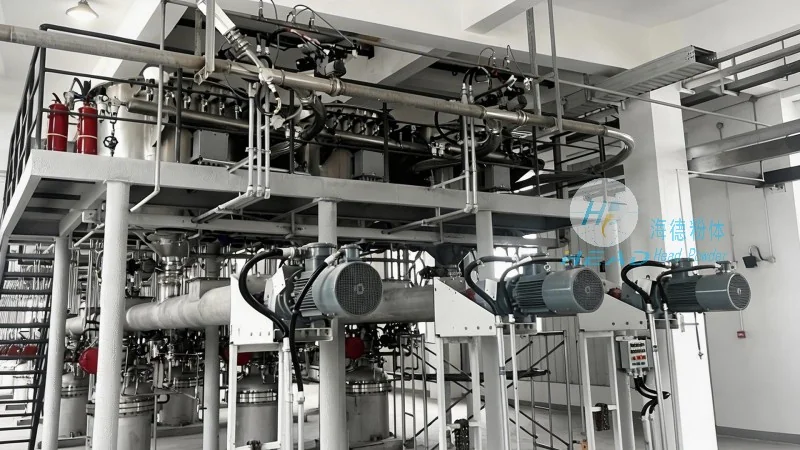
- Collection: After the brewing process, spent grain is collected from the brewing tanks or filtration equipment and transferred into the collection hopper. This step ensures that the material is contained and ready for transport.
- Transportation: The collected pellets are then moved from the hopper to the storage silo using the conveyor system. The conveyor system may involve multiple stages, such as a horizontal conveyor followed by an inclined conveyor to move the material to a higher elevation if needed.
- Storage: The pellets are stored in the silo, where they are kept under controlled conditions to maintain their quality. The silo is equipped with a feeding mechanism that allows for controlled discharge of the material when needed for further processing or use.
- Utilization: The stored pellets can be used for various purposes, such as animal feed, biofuel production, or other industrial applications. The system ensures that the material is readily available for these uses, supporting the brewery's sustainability efforts.
Benefits of an Effective Material Handling System
An efficient beer brewery pellet material handling system offers several benefits to the brewery. These include:
- Improved Operational Efficiency: By streamlining the material transport process, the system reduces downtime and increases the overall productivity of the brewery.
- Enhanced Sustainability: Proper handling and storage of spent grain contribute to the brewery's sustainability goals by reducing waste and maximizing the use of byproducts.
- Cost Reduction: Efficient material handling reduces energy consumption and maintenance costs, leading to lower operational expenses.
- Consistent Product Quality: The system ensures that the spent grain is handled in a hygienic and controlled manner, which is crucial for maintaining the quality of the final product.
- Scalability: The modular design allows the system to grow with the brewery, providing a long-term solution that adapts to changing production needs.
Conclusion
The beer brewery pellet material handling system is a critical component of modern brewing operations, designed to efficiently manage the byproduct of the brewing process. By adhering to key design principles and incorporating advanced components, breweries can ensure that their material handling systems are reliable, efficient, and sustainable. Companies like Shandong HeadPowder Engineering Co., Ltd., based in China, specialize in designing and manufacturing such systems, providing breweries with tailored solutions that meet their specific operational needs. The effective implementation of a material handling system not only improves the brewery's bottom line but also supports its commitment to sustainability and environmental responsibility.