

What is a High-Pressure Material Handling Line? And What Are Its Design Principles?
High-pressure material handling lines are sophisticated industrial systems engineered to transport bulk materials with precision and efficiency under elevated pressure conditions. These systems are integral to various industries, including chemical processing, pharmaceutical manufacturing, and food processing, where the safe and controlled movement of powders, granules, and other particulate materials is critical. Understanding the core components and design principles of such lines is essential for optimizing operational performance and ensuring compliance with safety standards.
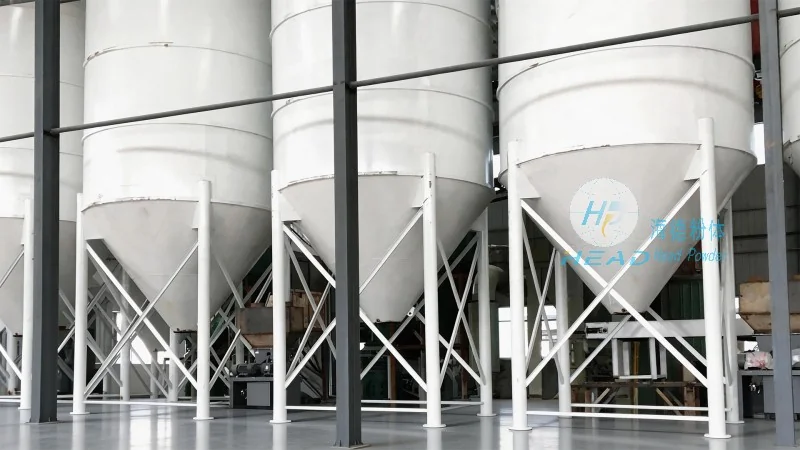
Core Components of High-Pressure Material Handling Lines
High-pressure material handling lines typically consist of several key components that work in tandem to facilitate material transport. The primary elements include a high-pressure pump or compressor, which generates the necessary force to move materials through the system. A network of pipes or hoses, often made from durable materials like stainless steel or specialized polymers, forms the conduit for material flow. Additionally, control valves and regulators are integrated to manage pressure levels and flow rates, ensuring precise control over the material's movement. At the receiving end, a receiver or storage vessel is used to collect the transported material, while feeders or discharge mechanisms facilitate the transfer to downstream processes. The entire system is often equipped with sensors and monitoring devices to track pressure, flow, and material levels in real-time, enabling proactive maintenance and operational adjustments.
Design Principles for High-Pressure Material Handling Lines
The design of high-pressure material handling lines is guided by several fundamental principles aimed at maximizing efficiency, safety, and reliability. One of the primary principles is the minimization of material degradation, which is achieved through the use of smooth, corrosion-resistant surfaces and gentle material handling techniques. The system's design must also account for the specific properties of the material being transported, such as particle size, density, and moisture content, to ensure optimal flow characteristics. Pressure management is another critical design consideration, as excessive pressure can lead to equipment failure or material spillage. Engineers employ pressure relief valves and surge tanks to mitigate these risks and maintain stable system operation. Furthermore, the layout of the line is optimized to reduce pressure losses and energy consumption, often incorporating straight runs and minimal bends to maintain consistent flow rates. The integration of automated control systems allows for real-time adjustments based on process parameters, enhancing overall system performance and reducing downtime.
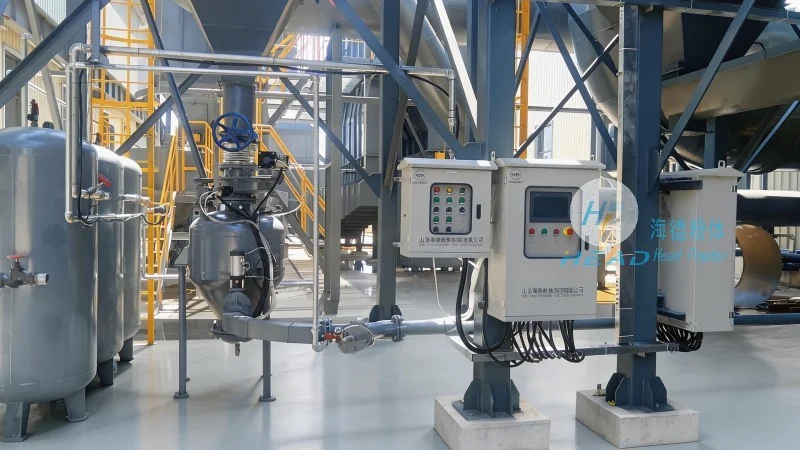
Applications and Industries Served by High-Pressure Material Handling Lines
High-pressure material handling lines find extensive applications across multiple industries due to their ability to handle a wide range of materials with precision. In the chemical industry, these systems are used to transport reactive powders and granules, ensuring safe and controlled processing. The pharmaceutical sector relies on high-pressure lines for the handling of sterile powders and active pharmaceutical ingredients (APIs), where contamination control is paramount. In the food and beverage industry, such lines are employed to transport ingredients like flour, sugar, and spices, maintaining product quality and hygiene standards. Additionally, high-pressure material handling lines are utilized in the mining and minerals sector for the transport of ores and concentrates, enabling efficient processing and extraction. The versatility of these systems makes them indispensable in any operation where the reliable and safe movement of bulk materials is essential.
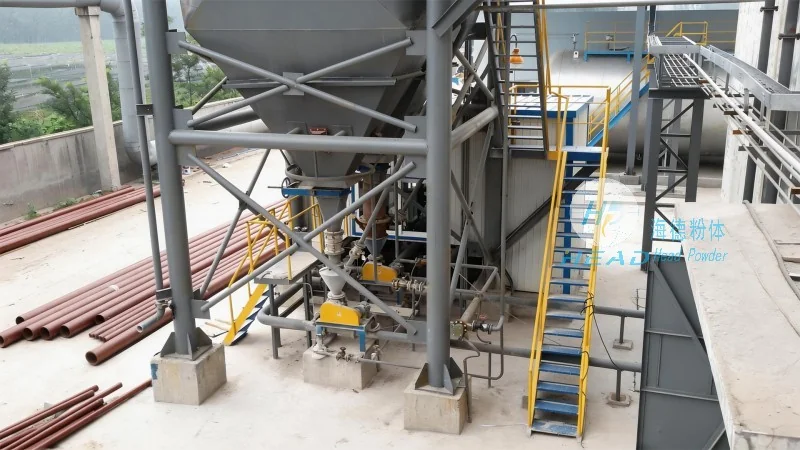
Key Features and Advantages of High-Pressure Material Handling Lines
High-pressure material handling lines offer several advantages that make them a preferred choice in industrial applications. One of the most significant benefits is their ability to handle difficult-to-transport materials, such as those with high moisture content or cohesive properties, which are challenging for traditional gravity or vacuum systems. The high pressure ensures consistent flow rates, reducing the risk of blockages or uneven material distribution. Another advantage is the system's compact design, which allows for efficient use of space in industrial facilities, especially in areas with limited floor space. The use of durable materials and robust construction ensures long-term reliability, minimizing maintenance costs and downtime. Furthermore, the integration of advanced monitoring and control systems enables operators to track system performance and identify potential issues before they escalate, enhancing overall operational efficiency. The ability to scale the system to meet varying production demands also makes high-pressure material handling lines a flexible solution for growing businesses.
Conclusion and Company Overview
High-pressure material handling lines are sophisticated industrial solutions that play a crucial role in the efficient and safe transport of bulk materials across various industries. The design principles, including pressure management, material compatibility, and automated control, ensure optimal performance and reliability. As a leading provider in this field, Shandong HeadPowder Engineering Co., Ltd. specializes in the design, manufacturing, and implementation of high-pressure material handling systems tailored to the specific needs of its clients. With a focus on quality, safety, and innovation, the company has established itself as a trusted partner in the industrial sector, delivering solutions that enhance operational efficiency and meet the highest industry standards. Based in Shandong, China, HeadPowder continues to advance the technology and application of high-pressure material handling lines, supporting the growth and success of its clients in a competitive global market.