

What is a Baking Soda Material Conveying Line? And What Are Its Design Principles?
For industrial applications involving the transportation of baking soda, specialized equipment is essential to ensure efficiency, safety, and product integrity. A baking soda material conveying line, also known as a soda ash handling system, is a comprehensive setup designed to move this chemical from storage to processing or packaging areas. This article explores the components, operational principles, and design considerations of such a system, highlighting the expertise of Shandong HeadPowder Engineering Co., Ltd., a leading provider in the field.
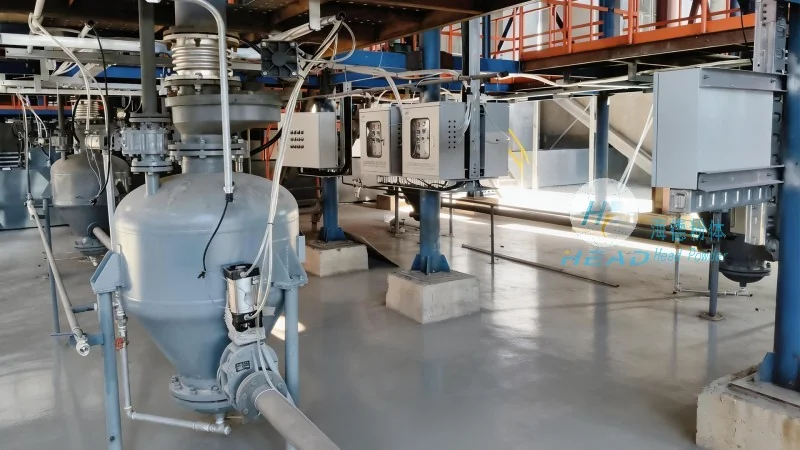
Understanding the Role of a Baking Soda Conveying Line
Baking soda, or sodium bicarbonate, is a versatile chemical used in various industries, including food processing, pharmaceuticals, and manufacturing. Its handling requires careful consideration due to its light weight, dustiness, and potential for caking. A dedicated conveying line addresses these challenges by providing a controlled environment for material movement, minimizing dust exposure and ensuring consistent flow rates. The system typically integrates storage silos, conveyors, dust collection units, and control panels to create a seamless workflow from raw material storage to end-use applications.
Key Components of a Baking Soda Material Conveying Line
The design of a baking soda conveying line involves several critical components, each tailored to the unique properties of the material. These components work in tandem to ensure reliable and efficient operation. The primary elements include:
1. Storage Silos: Large, airtight silos are used to store bulk baking soda. These silos are often equipped with agitators or cone-bottom designs to prevent material from settling and caking, which can impede flow. The silos may also feature level sensors to monitor inventory and trigger replenishment from bulk delivery trucks.
2. Conveyors: Various types of conveyors are employed depending on the application. Common options include screw conveyors, pneumatic conveying systems, and bucket elevators. Screw conveyors are ideal for horizontal or slight incline transport, while pneumatic systems use air pressure to move the material through pipes, often used for longer distances or when dust control is a priority. Bucket elevators are suitable for vertical lifting, efficiently moving material from lower to higher levels.
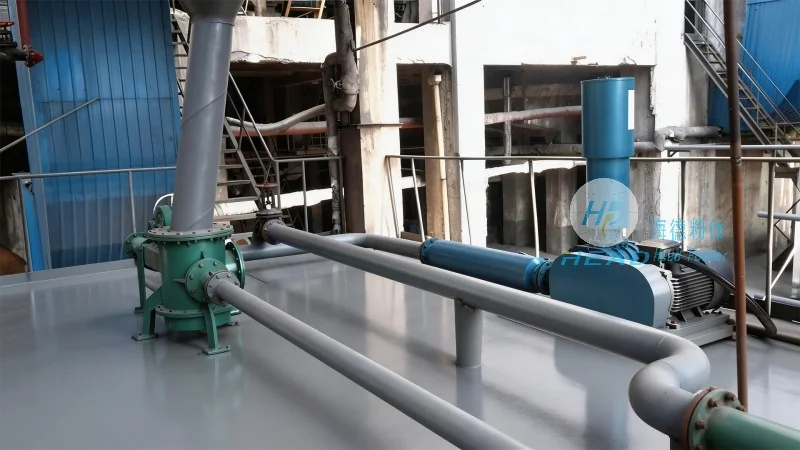
3. Dust Collection and Filtration: Given baking soda's fine, powdery nature, dust control is a critical aspect of the system. Dust collection systems, such as baghouses or cartridge filters, are integrated to capture and remove airborne particles, ensuring a clean working environment and compliance with environmental regulations. These systems are typically connected to the conveyor inlet or outlet to prevent dust from escaping into the facility.
4. Control Panels and Automation: Modern conveying lines are often equipped with advanced control panels that allow operators to monitor and adjust system parameters in real-time. These panels may include sensors for flow rate, pressure, and temperature, as well as alarms for system malfunctions. Automation features can enhance efficiency by controlling the start and stop of conveyors based on inventory levels or production demands.
Design Principles for Optimal Performance
The design of a baking soda material conveying line follows several key principles to ensure optimal performance, safety, and longevity. These principles are based on the material's physical properties and the operational requirements of the end-user. The primary design considerations include:
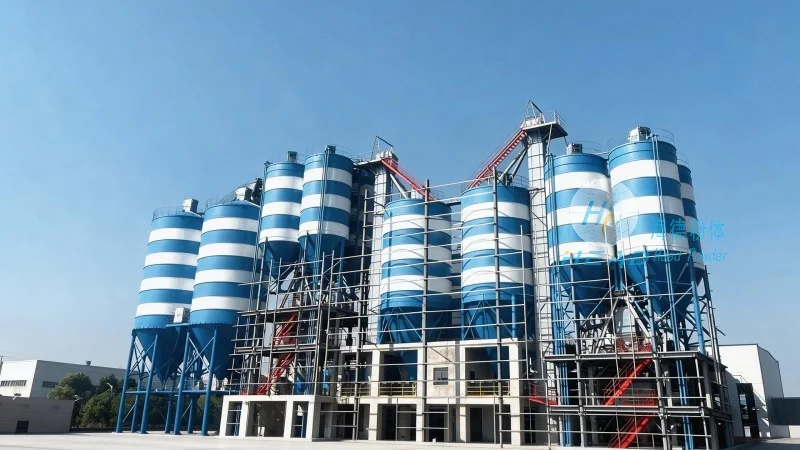
1. Material Flow Management: Proper design ensures that the material flows smoothly through the system without clogging or bridging. This involves selecting appropriate conveyor types and ensuring adequate slope or incline for horizontal conveyors. For vertical lifts, the speed and capacity of the elevator must be matched to the material's density and flow characteristics.
2. Dust Suppression: Dust control is not only a safety concern but also a regulatory requirement. The system design incorporates dust collection and suppression measures, such as using sealed conveyor systems and adding moisture to the material to reduce dust generation. This helps maintain a clean and safe working environment and prevents product contamination.
3. Corrosion Resistance: Baking soda is a mild alkaline substance, but it can still cause corrosion over time, especially in metal components. The design incorporates corrosion-resistant materials, such as stainless steel or specialized coatings, for parts that come into direct contact with the material. This ensures the longevity of the equipment and reduces maintenance costs.
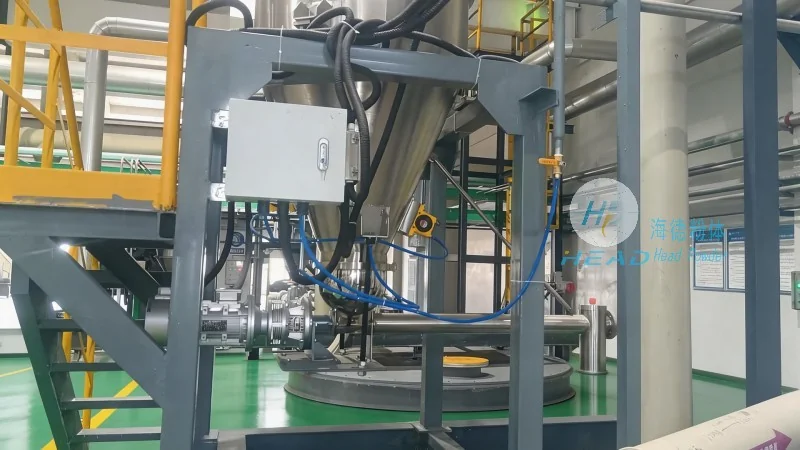
4. Energy Efficiency: Modern conveying line designs prioritize energy efficiency to reduce operational costs. This includes using variable frequency drives (VFDs) to adjust conveyor speeds based on demand, minimizing energy consumption. Additionally, the system is designed to minimize material loss and waste, optimizing the overall process.
Customization and Application-Specific Solutions
Shandong HeadPowder Engineering Co., Ltd. specializes in designing and manufacturing customized baking soda conveying lines tailored to the specific needs of their clients. The company, often referred to as HeadPowder, understands that each industrial application has unique requirements, and their solutions are designed to address these needs effectively. Whether for small-scale production or large-scale manufacturing, the company offers flexible configurations that can be adapted to various production volumes and operational environments.
The customization process involves a thorough analysis of the client's production requirements, including material handling capacity, space constraints, and environmental regulations. HeadPowder engineers work closely with clients to develop a system that maximizes efficiency while minimizing downtime and maintenance. This collaborative approach ensures that the final solution meets all operational and safety standards.
Conclusion
A baking soda material conveying line is a critical component in any industrial process that handles this versatile chemical. The design and implementation of such a system require careful consideration of the material's properties, operational needs, and safety regulations. With its expertise in the field, Shandong HeadPowder Engineering Co., Ltd. provides reliable and efficient conveying solutions that enhance productivity and ensure product quality. By adhering to the principles of proper material flow, dust control, corrosion resistance, and energy efficiency, these systems contribute to the smooth operation of industrial facilities worldwide.