

What is a Fertilizer Granule Material Conveying Line? And What Are Its Design Principles?
For those in the fertilizer industry, understanding the technology behind material handling is crucial for efficient production and operation. A fertilizer granule material conveying line is a specialized system designed to transport granular fertilizer materials from one processing stage to another with precision and reliability. This article will explore the core components and design principles of such a line, highlighting how they contribute to the overall efficiency of fertilizer manufacturing processes.
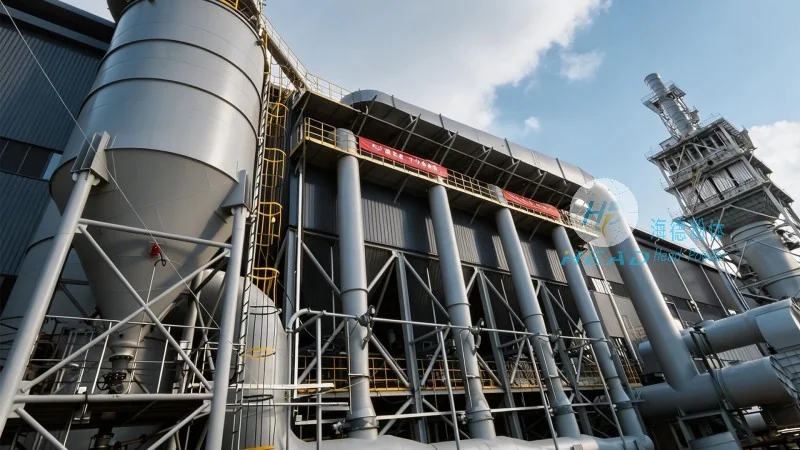
Understanding the Fertilizer Granule Material Conveying Line
A fertilizer granule material conveying line is a comprehensive system that integrates various equipment to move granular fertilizer products through different stages of production, storage, and distribution. The primary goal of this line is to ensure that fertilizer granules are transported safely, efficiently, and without degradation. This involves handling materials that may be abrasive, dusty, or have specific moisture content requirements, making the design of the conveying line critical to the success of the entire fertilizer production process.
Key Components of the Conveying Line
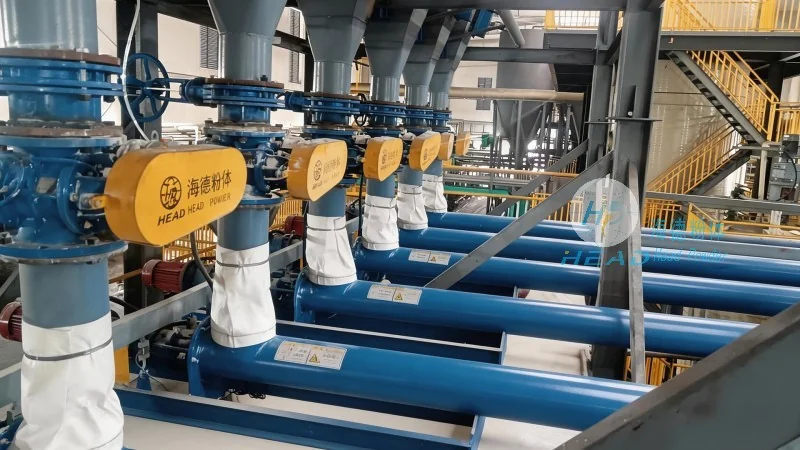
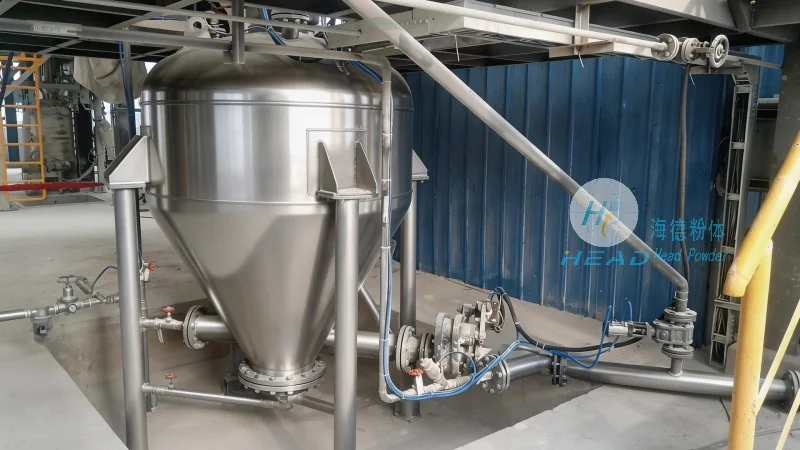
The fertilizer granule material conveying line typically consists of several key components, each playing a vital role in the overall operation. These components include feeders, conveyors (such as belt conveyors, screw conveyors, or pneumatic conveyors), storage silos, and control systems. Each component is carefully selected and integrated to ensure seamless material flow and minimal downtime. For instance, feeders are used to regulate the flow of granules from storage silos to the conveyor system, while conveyors transport the material to processing or packaging units. The storage silos, often made of durable materials like steel or concrete, provide a secure and controlled environment for storing the fertilizer granules before they are conveyed to the next stage.
Design Principles for Efficient Material Handling
The design of a fertilizer granule material conveying line is based on several key principles aimed at maximizing efficiency, minimizing energy consumption, and ensuring the integrity of the fertilizer product. One of the primary design principles is the use of appropriate conveyor types for the specific characteristics of the fertilizer granules. For example, belt conveyors are commonly used for bulk material handling due to their high capacity and ability to handle abrasive materials. Screw conveyors, on the other hand, are ideal for transporting materials with a higher moisture content or those that need to be mixed with other ingredients. Pneumatic conveyors are used for fine powders or when dust control is a priority.
Another critical design principle is the consideration of material flow and the prevention of blockages or clogging. This is achieved through the use of inclined conveyors, which allow for the natural flow of granules due to gravity, reducing the need for excessive mechanical force. Additionally, the design incorporates features such as smooth surfaces and proper slope angles to prevent material buildup and ensure consistent flow. The control systems in the conveying line are also designed to monitor and adjust the flow rate in real-time, responding to changes in production demand or material characteristics.
Role of Material Properties in Design
The properties of the fertilizer granules themselves play a significant role in the design of the conveying line. Factors such as particle size, density, moisture content, and abrasiveness all influence the choice of equipment and the overall system layout. For instance, larger and heavier granules may require higher-capacity conveyors with stronger frames and more robust drive systems. Granules with high moisture content may need to be handled with equipment that prevents clumping or sticking, such as conveyor belts with special coatings or screw conveyors with heated sections. The design must also account for the potential for dust generation, as this can affect both the efficiency of the conveying system and the safety of the operators. Therefore, dust control measures, such as enclosures and filtration systems, are often integrated into the conveying line design.
Integration with Fertilizer Production Processes
The fertilizer granule material conveying line is not an isolated system but an integral part of the overall fertilizer production process. It connects various stages, including raw material storage, granulation, screening, and packaging. The design of the conveying line must be synchronized with the production schedule and capacity to ensure that material flow is consistent and that there are no bottlenecks. For example, the conveying line may be designed to handle peak production periods by incorporating adjustable speed drives or multiple conveyor sections that can be activated as needed. This integration ensures that the fertilizer granules are moved efficiently from one stage to the next, supporting the overall productivity of the fertilizer manufacturing facility.
Advantages of a Well-Designed Conveying Line
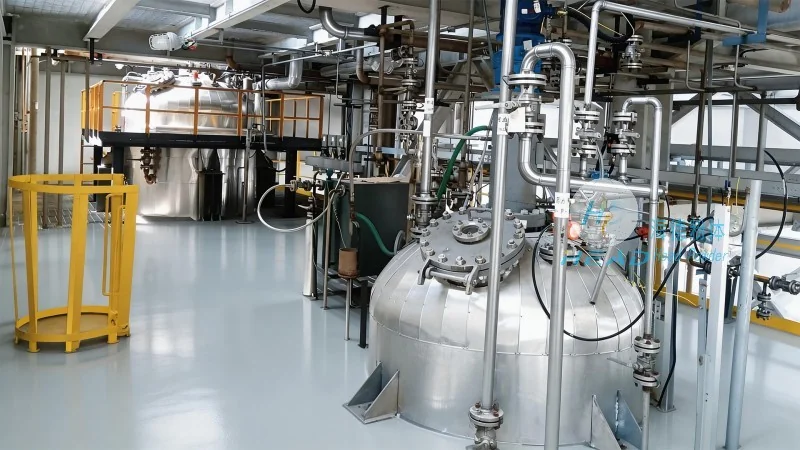
A well-designed fertilizer granule material conveying line offers several advantages that contribute to the success of the fertilizer production operation. First, it enhances operational efficiency by reducing downtime and ensuring a continuous flow of material. This leads to increased production capacity and lower operational costs. Second, it improves product quality by minimizing material degradation during transport. The design ensures that the granules remain intact and free from dust or contamination, which is crucial for maintaining the effectiveness of the fertilizer. Third, it enhances safety by incorporating features such as enclosed systems and proper ventilation, reducing the risk of dust explosions or other hazards. Finally, a well-designed conveying line is more energy-efficient, using less power to achieve the desired material handling capacity, which contributes to lower operating costs and a more sustainable operation.
Conclusion
In conclusion, a fertilizer granule material conveying line is a sophisticated system that plays a vital role in the fertilizer industry. Its design is based on careful consideration of material properties, operational requirements, and safety standards. By integrating appropriate components and adhering to key design principles, such a line ensures efficient and reliable transport of fertilizer granules, supporting the overall productivity and success of fertilizer manufacturing operations. Companies like Shandong HeadPowder Engineering Co., Ltd., based in China, specialize in designing and manufacturing these systems, providing tailored solutions to meet the specific needs of fertilizer producers worldwide.