

What is a Gypsum Powder and Dust Material Conveyor Line? Understanding Its Design Principles
For industrial operations dealing with gypsum powder and dust, the selection of an efficient material handling system is crucial. A gypsum powder and dust material conveyor line is a specialized piece of equipment designed to transport these fine materials safely and effectively. This article delves into what such a conveyor line entails and the key design principles that underpin its functionality.

Introduction to Gypsum Powder and Dust Material Conveyor Lines
Gypsum, a common mineral used in construction and manufacturing, often comes in powdered or dust form. Handling these materials requires equipment that can manage the challenges of dust generation, material flow, and potential clogging. The gypsum powder and dust material conveyor line addresses these issues by integrating various components to ensure smooth and reliable material transport. These systems are essential in industries such as construction, mining, and chemical processing, where the consistent movement of gypsum-based products is vital for operational efficiency.
Key Components of a Gypsum Powder and Dust Material Conveyor Line
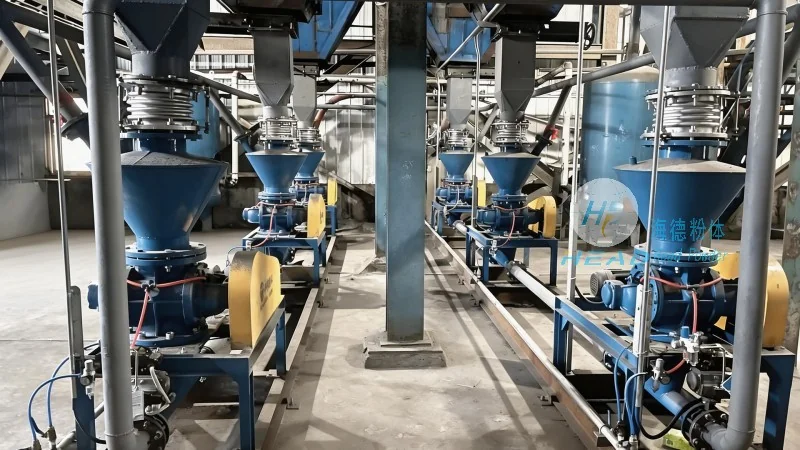
The design of a gypsum powder and dust material conveyor line typically involves several critical components that work in tandem to achieve optimal performance. The primary components include a feeding mechanism, a conveyor system (often a belt or screw conveyor), a dust control system, and a control panel. The feeding mechanism ensures that the gypsum powder is introduced into the system uniformly, preventing overloading or uneven distribution. The conveyor system, which may be a belt conveyor for bulk material or a screw conveyor for more precise control, moves the material through the line. The dust control system is particularly important for gypsum, as it helps to minimize airborne dust, enhancing safety and compliance with environmental regulations. Finally, the control panel allows operators to monitor and adjust the system parameters, ensuring that the conveyor operates within safe and efficient parameters.
Design Principles for Efficient Material Handling
The design of a gypsum powder and dust material conveyor line is guided by several key principles aimed at maximizing efficiency, safety, and durability. One of the fundamental principles is the minimization of material degradation and dust generation. This is achieved through the use of smooth, non-abrasive surfaces and proper material flow control. The conveyor system is designed to handle the specific properties of gypsum powder, such as its fine particle size and tendency to stick to surfaces. This involves selecting appropriate conveyor belt materials, such as food-grade or industrial-grade rubber, which can resist abrasion and prevent material buildup. Another critical principle is the integration of dust suppression and collection systems. These systems, which may include cyclones, baghouses, or wet scrubbers, help to capture and contain dust, reducing the risk of inhalation by workers and preventing environmental contamination. Additionally, the design emphasizes the use of sealed and enclosed conveyor sections to prevent dust from escaping into the workplace environment. This not only improves safety but also extends the lifespan of the equipment by protecting it from dust-related wear and tear.
Operational Considerations and Maintenance
For the effective operation of a gypsum powder and dust material conveyor line, several operational considerations must be taken into account. Regular maintenance is essential to ensure the system operates at peak efficiency. This includes routine checks of the conveyor belt tension, cleaning of the dust collection system, and inspection of the feeding mechanism for any blockages or wear. The design of the conveyor line also considers the need for easy access to maintenance points, allowing for quick repairs and minimizing downtime. Additionally, the system is designed to handle variations in material flow, such as changes in gypsum powder consistency or feed rate. This flexibility is achieved through adjustable speed controls and variable feeding mechanisms, which allow operators to adapt the conveyor's performance to changing operational conditions. Proper training of operators is also a key consideration, as they need to understand how to operate the system safely and efficiently, including how to handle emergencies such as material blockages or equipment malfunctions.
Applications and Benefits in Industrial Settings
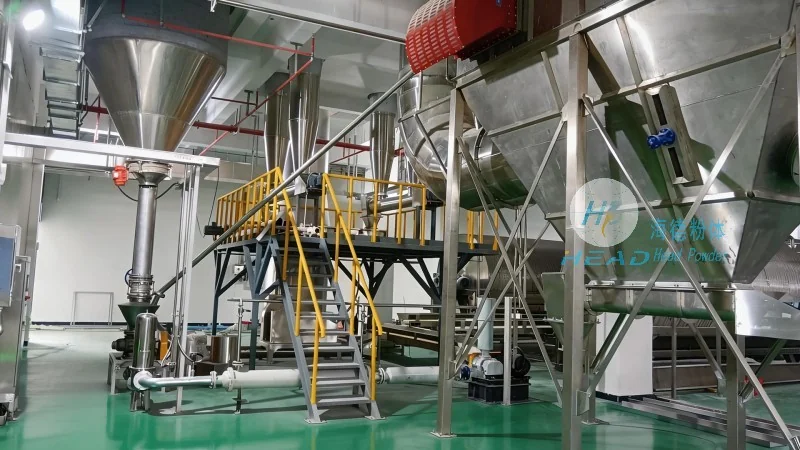
Gypsum powder and dust material conveyor lines are widely used in various industrial applications, offering several benefits that enhance operational performance. In the construction industry, these systems are used to transport gypsum-based products such as drywall and plaster, which are essential for building and renovation projects. The efficient handling of these materials ensures that construction sites can maintain a steady supply of raw materials, reducing delays and improving project timelines. In the mining and mineral processing sector, gypsum is often a byproduct or a raw material, and the conveyor line helps to transport it from processing facilities to storage or further processing stages. The ability to handle fine dust and prevent clogging is particularly valuable in these applications, as it ensures that the material is transported without loss or degradation. Additionally, the dust control features of the conveyor line contribute to a safer working environment, reducing the risk of respiratory illnesses among workers exposed to gypsum dust. Overall, the gypsum powder and dust material conveyor line provides a reliable and efficient solution for material handling, contributing to improved productivity and safety in industrial operations.
Conclusion
In conclusion, a gypsum powder and dust material conveyor line is a sophisticated system designed to handle the unique challenges of transporting fine gypsum materials. Its design incorporates several key principles, including efficient material flow, dust control, and durability, to ensure optimal performance. By integrating specialized components and adhering to best practices in maintenance and operation, these systems provide significant benefits to industrial operations, enhancing productivity, safety, and compliance with environmental regulations. For companies dealing with gypsum powder and dust, investing in a well-designed conveyor line is a strategic decision that can improve overall operational efficiency and contribute to long-term success.