

What is a Rare Earth Crystal Powder Material Conveying Line? And What Are Its Design Principles?
Understanding the rare earth crystal powder material conveying line is crucial for industries that handle fine powders, as these systems are engineered to efficiently transport and process materials like rare earth crystals. This article will explore the fundamental aspects of such a conveying line, including its design principles and the key components that ensure optimal performance.
Introduction to Rare Earth Crystal Powder Material Conveying Lines
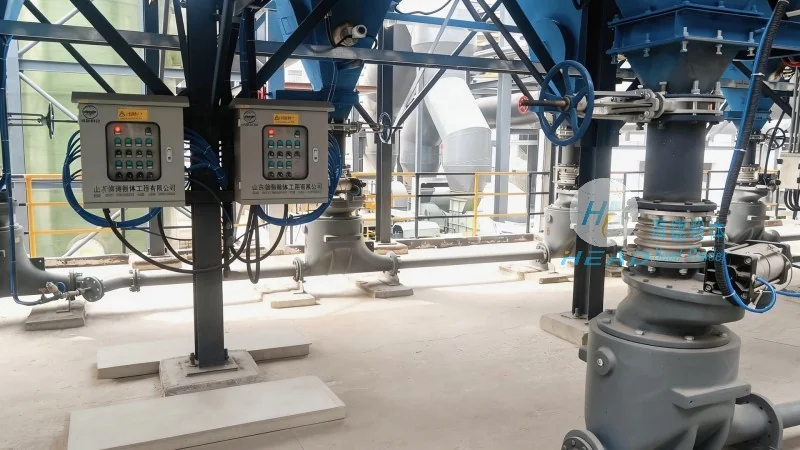
A rare earth crystal powder material conveying line is a specialized system designed to transport fine, often abrasive, materials such as rare earth crystals. These materials are typically used in high-tech applications, including electronics, magnets, and advanced manufacturing processes. The primary goal of the conveying line is to move these powders from one processing stage to another with minimal loss, contamination, or degradation. The design of these systems must account for the unique properties of rare earth crystals, which include high density, magnetic susceptibility, and potential reactivity under certain conditions.
About HeadPowder: A Leading Provider of Material Handling Solutions
HeadPowder, a division of Shandong HeadPowder Engineering Co., Ltd., is a reputable company based in China, specializing in the design, manufacturing, and installation of advanced material handling systems. With a focus on precision and reliability, HeadPowder has established itself as a trusted partner for industries requiring efficient and safe handling of fine powders. The company's expertise lies in customizing conveying solutions to meet the specific needs of clients, ensuring that each system is tailored to the unique characteristics of the material being transported.
Key Design Principles of Rare Earth Crystal Powder Conveying Lines
The design of a rare earth crystal powder conveying line is guided by several critical principles to ensure efficiency, safety, and longevity. First, the system must minimize material degradation and contamination, which are common issues with fine powders. This is achieved through the use of enclosed, dust-tight components and gentle handling mechanisms. Second, the design prioritizes energy efficiency, using low-power motors and optimized airflow to reduce operational costs. Third, the system is built for durability, with components that can withstand the abrasive nature of rare earth crystals and the potential for high temperatures or chemical exposure.
Another essential design principle is the integration of monitoring and control systems. Modern conveying lines often include sensors to track material flow, detect blockages, and adjust parameters in real-time. This automation enhances operational safety and reduces downtime. Additionally, the design considers the need for easy maintenance and cleaning, as these systems are often subject to strict regulatory standards for material purity. The use of modular components allows for quick replacement of parts, minimizing maintenance time and ensuring continuous operation.
Core Components and Their Functions in the Conveying Line
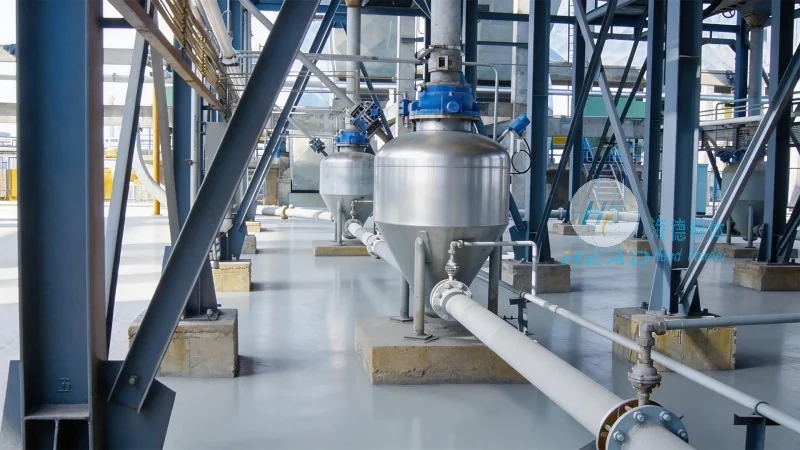
The rare earth crystal powder conveying line typically consists of several interconnected components, each playing a vital role in the overall system. The primary components include feeders, conveyors, storage hoppers, and control units. The feeder is responsible for uniformly feeding the powder into the system, preventing clumping or uneven flow. Common feeder types include rotary valves and vibratory feeders, which are chosen based on the material's characteristics and the required flow rate.
The conveyor itself is the heart of the system, responsible for transporting the powder from one location to another. For rare earth crystals, pneumatic conveying systems are often preferred due to their ability to handle fine powders without the need for mechanical contact. These systems use air pressure to move the material through a network of pipes, with the flow rate controlled by adjusting the air pressure or using variable speed drives. The choice of conveyor type depends on factors such as the distance to be covered, the volume of material, and the need for gentle handling.
Storage hoppers are used to temporarily hold the powder before it is conveyed to the next processing stage. These hoppers are designed with sloped walls to prevent material buildup and ensure smooth discharge. The hoppers are often equipped with level sensors to monitor the material level and trigger feeding when necessary. Additionally, some hoppers include agitators to prevent caking or compaction of the powder, which can affect the conveying process.
The control unit is the brain of the system, coordinating the operation of all components. It includes a programmable logic controller (PLC) that monitors sensor inputs and adjusts the operation of the feeder, conveyor, and other components as needed. The control unit may also include a human-machine interface (HMI) that allows operators to monitor the system status, adjust parameters, and troubleshoot issues. Modern control systems often include features such as remote monitoring and diagnostics, enabling quick identification and resolution of problems.
Operational Considerations and Best Practices
Operating a rare earth crystal powder conveying line requires careful attention to several factors to ensure optimal performance and longevity. First, regular maintenance is essential to prevent equipment failure and maintain material quality. This includes cleaning the system, replacing worn parts, and checking for leaks or blockages. Second, operators must be trained to handle the system correctly, following procedures for startup, shutdown, and emergency situations. Proper training helps prevent accidents and ensures that the system operates within its design parameters.
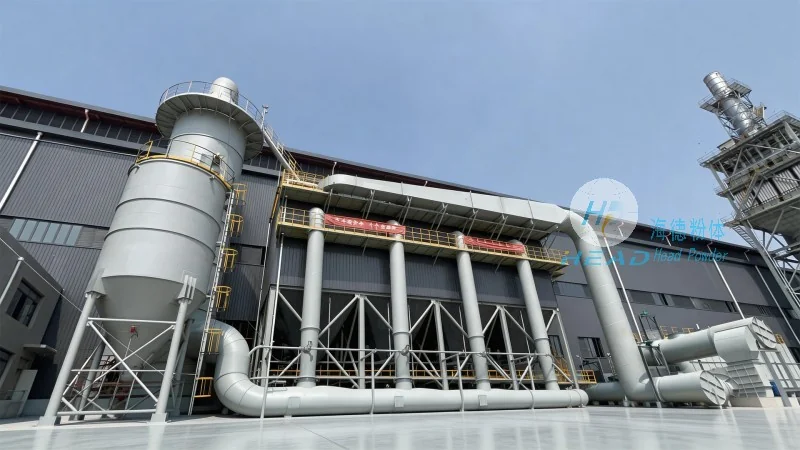
Another important consideration is the environmental impact of the conveying line. Modern systems are designed to minimize dust emissions and noise pollution, with features such as dust collection systems and soundproof enclosures. These measures help comply with environmental regulations and create a safer working environment. Additionally, the use of energy-efficient components reduces the overall carbon footprint of the system, aligning with sustainability goals.
Finally, the design of the conveying line should consider future expansion or modifications. Modular components allow for easy upgrades or additions to the system as the client's needs change. This flexibility ensures that the investment in the conveying line remains relevant and effective over time. By planning for future growth, companies can avoid the need for costly system overhauls and maintain a competitive edge in their industry.
Conclusion: The Importance of a Well-Designed Conveying Line
In conclusion, a rare earth crystal powder material conveying line is a sophisticated system that combines engineering expertise with advanced technology to efficiently handle fine materials. The design principles and components discussed in this article highlight the importance of customizing the system to the specific needs of the material and the application. With proper design, maintenance, and operation, these conveying lines can provide reliable, cost-effective solutions for industries that rely on rare earth crystals. As a leading provider of material handling solutions, HeadPowder continues to innovate and develop systems that meet the evolving demands of its clients, ensuring that the transportation of rare earth crystals remains safe, efficient, and sustainable.