

What is a Hydrogen Sulfide Material Handling System? And What Are Its Design Principles?
For industries dealing with hazardous and corrosive materials like hydrogen sulfide (H₂S), specialized equipment is essential to ensure safe and efficient material transport. A hydrogen sulfide material handling system is a carefully engineered solution designed to manage the unique challenges posed by this toxic gas. This article explores the components and design principles behind such systems, highlighting the expertise of Shandong HeadPowder Engineering Co., Ltd. in providing reliable solutions for industrial applications.
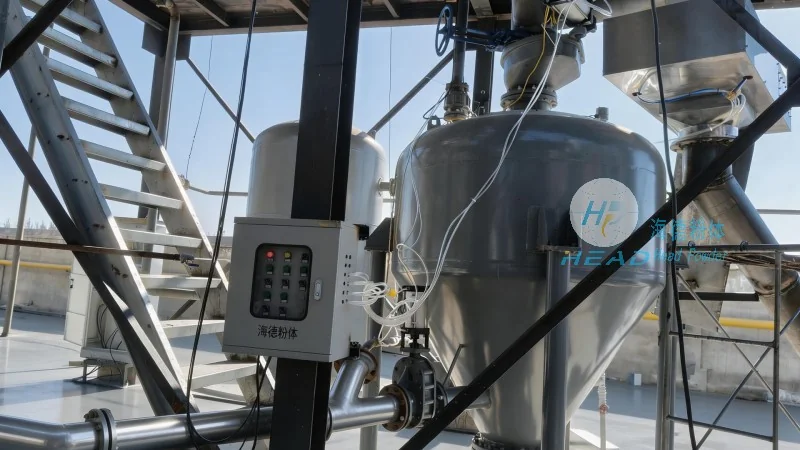
Understanding Hydrogen Sulfide and Its Handling Requirements
Hydrogen sulfide is a colorless, flammable gas with a strong, rotten egg odor. It is highly toxic and can cause severe health issues, including respiratory distress and even death at high concentrations. Due to its corrosive nature and safety risks, handling H₂S requires robust equipment that can withstand chemical attack and prevent leaks. The design of a hydrogen sulfide material handling system must prioritize safety, durability, and compliance with industrial standards.

Key Design Principles for Hydrogen Sulfide Material Handling Systems
The design of a hydrogen sulfide material handling system involves several critical principles to ensure optimal performance and safety. First, material selection is paramount. Components exposed to H₂S must be made from corrosion-resistant materials such as stainless steel, special alloys, or high-grade polymers. These materials are chosen for their ability to resist chemical degradation, ensuring the system’s longevity and reliability. Second, sealing technology plays a crucial role. Tight, leak-proof seals are essential to prevent H₂S from escaping into the environment or contaminating other parts of the system. Advanced sealing mechanisms, including O-rings, gaskets, and specialized valve designs, are employed to maintain integrity under pressure and temperature variations. Third, safety features are integrated throughout the system. This includes pressure relief valves, emergency shutdown systems, and monitoring devices that alert operators to abnormal conditions. Additionally, the system is designed to minimize human exposure by automating material transfer processes and using enclosed transport methods.
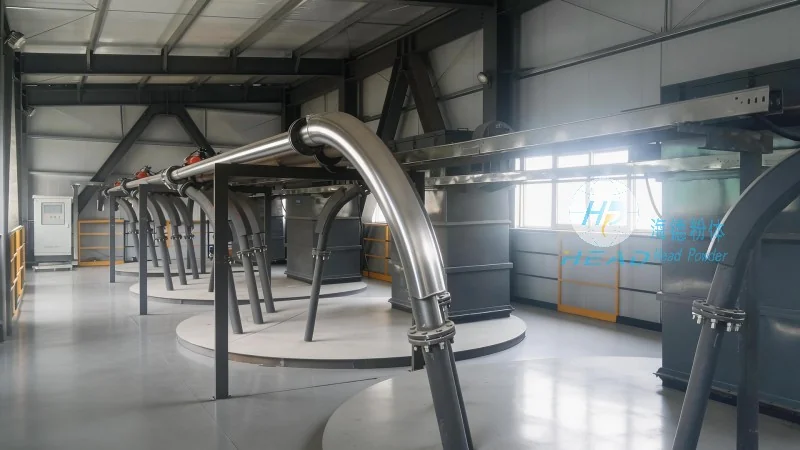
Components of a Hydrogen Sulfide Material Handling System
A hydrogen sulfide material handling system typically consists of several interconnected components, each playing a vital role in the overall operation. The primary components include storage tanks or vessels, pumps (often specialized for corrosive fluids), pipelines or hoses, control valves, and safety equipment. Storage tanks are constructed from materials resistant to H₂S corrosion, with internal linings or coatings to further protect against chemical attack. Pumps are designed to handle the viscosity and corrosive properties of H₂S, using materials like Hastelloy or other high-performance alloys. The pipeline system is carefully routed to minimize pressure drops and ensure smooth flow, with appropriate supports and insulation to maintain temperature control. Control valves regulate the flow of H₂S, allowing for precise control and preventing overpressure situations. Safety equipment, such as pressure relief valves and gas detectors, are integrated to protect the system and personnel from potential hazards.
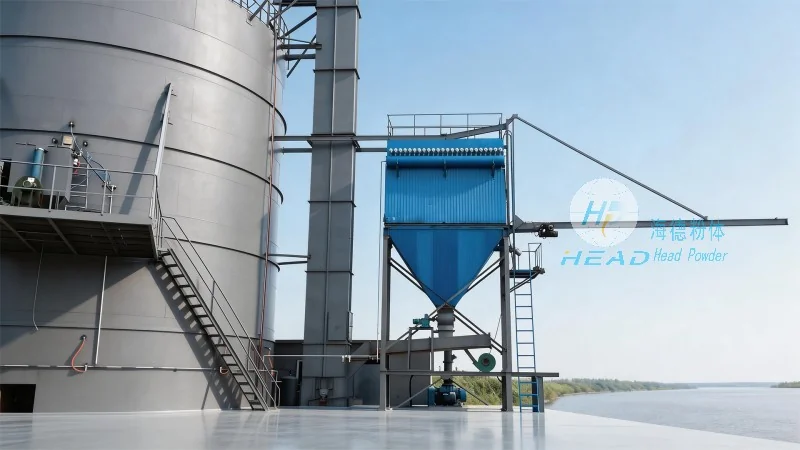
Application and Benefits of Hydrogen Sulfide Material Handling Systems
Hydrogen sulfide material handling systems are widely used in various industries, including oil and gas, petrochemical, and wastewater treatment. They are essential for transporting H₂S from production sites to processing facilities or for storing it in safe conditions. The benefits of using such systems include improved safety by reducing human exposure to toxic gases, enhanced efficiency through automated material transfer, and compliance with environmental regulations. By minimizing leaks and spills, these systems also help protect the environment from contamination. The reliability of the system, ensured by robust design and quality materials, reduces downtime and maintenance costs, making it a cost-effective solution for long-term industrial operations.