

What is a Regenerated Sand Material Handling System Equipment? What Are Its Design Principles?
Regenerated sand material handling systems are specialized equipment designed to efficiently transport and manage sand materials, particularly in industrial settings where sand is a key component in processes like casting, molding, or recycling. These systems are engineered to handle the unique characteristics of regenerated sand, which often includes a mix of fine particles and varying moisture content. The primary goal of such systems is to ensure smooth, consistent material flow while maintaining the quality and integrity of the sand.
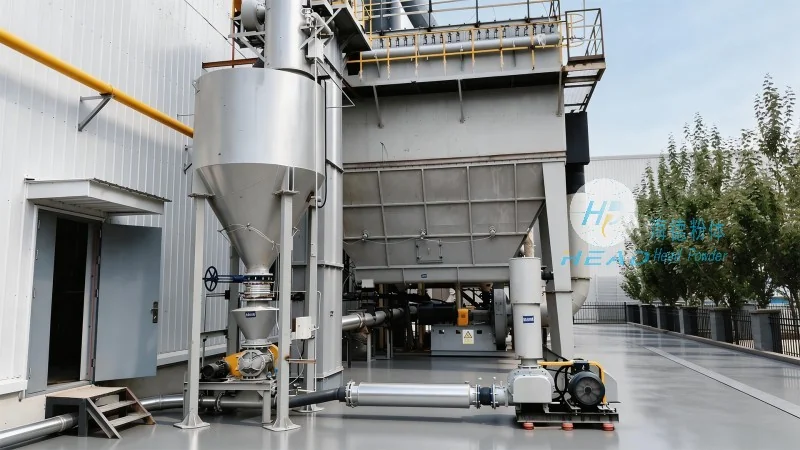
About HeadPowder: Experts in Material Handling Solutions
HeadPowder, operating as Shandong HeadPowder Engineering Co., Ltd., is a leading provider of advanced material handling equipment in China. With a focus on innovation and precision engineering, the company specializes in developing systems tailored to the specific needs of industrial applications. HeadPowder’s expertise lies in creating efficient, reliable solutions that enhance productivity and reduce operational costs for clients in various sectors, including foundries, construction, and recycling industries. The company’s headquarters is located in Shandong, China, where it leverages local resources and expertise to deliver high-quality products and services.
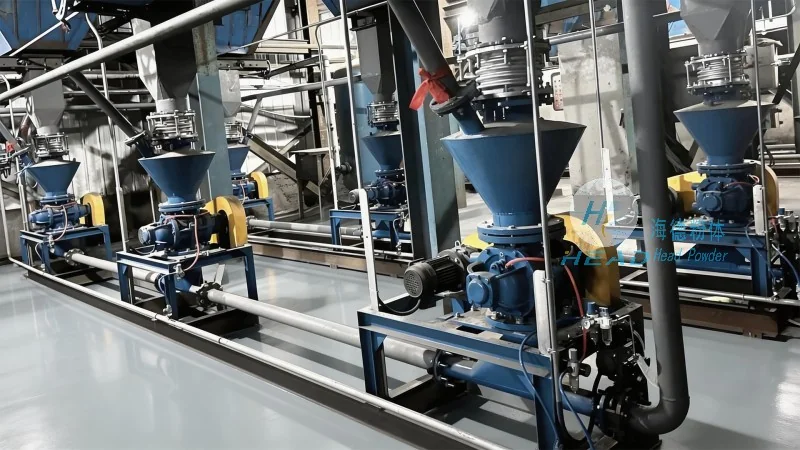
Design Principles of Regenerated Sand Material Handling Systems
The design of regenerated sand material handling systems follows a systematic approach that considers several critical factors to ensure optimal performance. First, the system must address the physical properties of regenerated sand, such as its particle size distribution, moisture content, and bulk density. Engineers design components like hoppers, conveyors, and feeders to accommodate these characteristics, ensuring minimal material degradation during transport. Second, the system incorporates control mechanisms to regulate flow rates and maintain consistent material levels, which is crucial for downstream processes like molding or casting. This involves the use of sensors, variable speed drives, and automated controls that adapt to changing conditions in real-time. Third, the design emphasizes durability and low maintenance, as these systems operate in demanding industrial environments. Materials used in construction, such as high-strength steel and corrosion-resistant coatings, are selected to withstand wear and tear from abrasive sand particles. Additionally, modular designs allow for easy maintenance and component replacement, reducing downtime and operational costs.
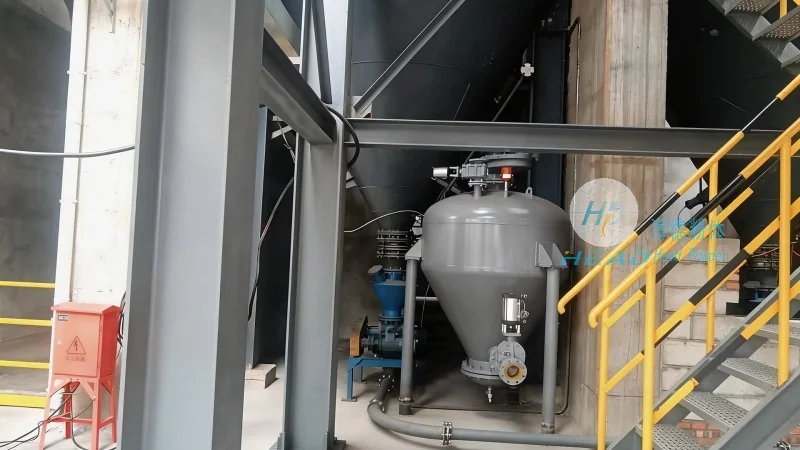
Key Components and Operational Workflow
Regenerated sand material handling systems typically consist of several interconnected components that work together to achieve efficient material transport. The primary components include a hopper for material storage, a feeder to control the flow of sand from the hopper, a conveyor system (such as a belt or screw conveyor) to move the sand to the desired location, and a discharge mechanism to release the material into the next process. The hopper is designed with a sloped bottom to facilitate smooth material discharge, preventing clogging or bridging. The feeder, often a rotary or vibratory type, regulates the flow rate by adjusting the speed or angle of operation, ensuring a consistent feed to the conveyor. The conveyor system is selected based on the material’s characteristics and the required transport distance. For example, a belt conveyor is suitable for longer distances and larger volumes, while a screw conveyor is ideal for vertical or horizontal transport in confined spaces. The discharge mechanism may include a valve or gate to control the release of sand into the next stage, such as a mixing or molding machine. The entire system is integrated with control panels that monitor and adjust parameters like flow rate, pressure, and temperature, ensuring optimal performance and safety.
Applications and Benefits in Industrial Settings
Regenerated sand material handling systems are widely used in various industrial applications where sand is a critical component. In foundries, these systems efficiently transport reclaimed sand from storage to molding machines, reducing the need for new sand and lowering material costs. The consistent flow of sand ensures uniform molding quality, which is essential for producing high-quality castings. In construction, the systems are used to handle sand for concrete mixing or road construction, improving material handling efficiency and reducing labor costs. Additionally, in recycling facilities, regenerated sand material handling systems play a vital role in processing and transporting recycled sand, contributing to sustainable practices by reducing waste and conserving natural resources. The benefits of these systems extend beyond efficiency; they also enhance safety by minimizing manual handling of heavy or abrasive materials, reducing the risk of workplace injuries. Furthermore, the systems help maintain a clean and organized workspace by controlling dust and preventing material spillage, which is crucial for compliance with environmental regulations.
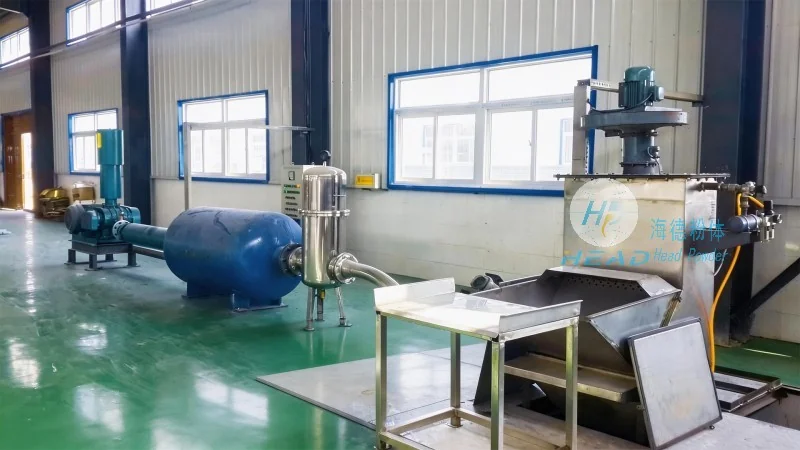
Conclusion: Enhancing Productivity with Advanced Material Handling
Regenerated sand material handling systems, designed with precision engineering and innovative control technologies, offer significant advantages in industrial applications. By addressing the unique challenges of handling regenerated sand, these systems ensure consistent material flow, improve operational efficiency, and reduce costs. HeadPowder, as a leading provider in China, continues to develop and refine such systems to meet the evolving needs of industries. The company’s commitment to quality, durability, and customer satisfaction has established it as a trusted partner for businesses seeking reliable material handling solutions. With a focus on tailored designs and comprehensive support, HeadPowder’s systems contribute to the success of clients in various sectors, helping them achieve higher productivity and sustainable operations.