

What is a Carbon Fiber Material Handling System? What Are Its Design Principles?
Carbon fiber material handling systems are advanced industrial solutions designed to transport, position, and manage carbon fiber-based materials with precision and efficiency. These systems are integral to industries that rely on carbon fiber composites, such as aerospace, automotive, and sports equipment manufacturing, where the lightweight and high-strength properties of carbon fiber are critical to product performance. Understanding the design and functionality of these systems is essential for optimizing production processes and ensuring the quality of carbon fiber components.
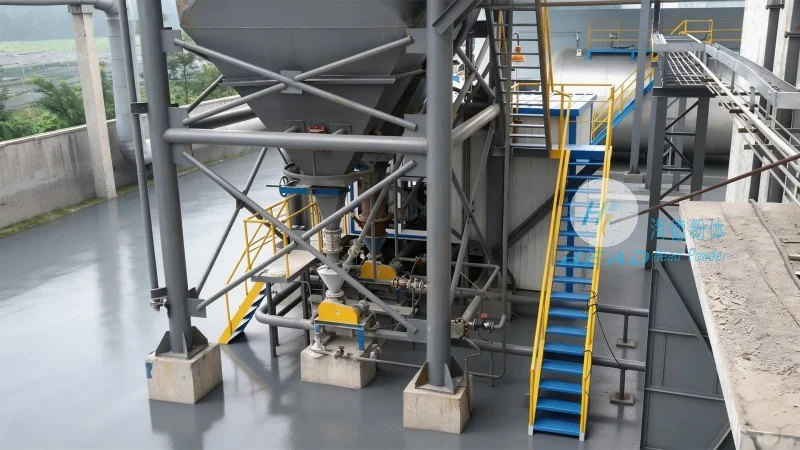
Key Components and Their Functions
The core components of a carbon fiber material handling system typically include conveyors, hoists, and specialized handling tools. Conveyors, such as belt or roller systems, are engineered to move carbon fiber sheets or fibers in a controlled manner, minimizing friction and preventing surface damage. For example, belt conveyors with smooth, non-abrasive surfaces are commonly used to transport pre-preg carbon fiber materials, while roller conveyors may be employed for heavier components. Hoists, often equipped with magnetic or vacuum grips, are used to lift and position carbon fiber parts with high accuracy. Magnetic hoists are particularly effective for handling ferromagnetic carbon fiber composites, while vacuum systems are suitable for non-magnetic materials. Additionally, specialized tools like fiber tensioners and alignment devices ensure that the material is handled without introducing stresses that could compromise its structural integrity. These tools are crucial for maintaining the material's dimensional stability and preventing delamination or cracking.
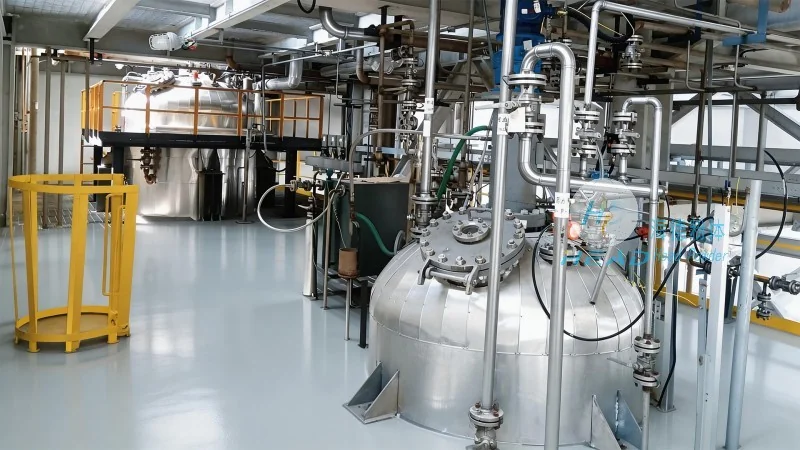
Design Principles for Optimal Performance
The design of carbon fiber material handling systems is guided by several key principles aimed at maximizing efficiency, safety, and material integrity. First, the systems are designed to minimize material deformation and surface damage. This involves using low-friction surfaces, gentle handling mechanisms, and precise control of movement. For instance, conveyor belts may be made of materials like polyurethane or rubber, which reduce abrasion on carbon fiber surfaces. Second, ergonomics and operator safety are prioritized. Features such as adjustable heights, emergency stop buttons, and clear visibility of the handling area help reduce operator fatigue and prevent accidents. Third, the systems are engineered for scalability and adaptability. This allows manufacturers to adjust the system's capacity to meet varying production demands, whether handling small, intricate parts or large, flat panels. The modular design of many systems enables easy expansion or reconfiguration as production needs change. Finally, the systems are designed to integrate seamlessly with other manufacturing equipment, such as cutting or molding machines, creating a streamlined material flow from raw material to finished product.
Application-Specific Customization
Carbon fiber material handling systems are often customized to meet the specific requirements of different applications. In aerospace manufacturing, for example, systems may be designed to handle large, lightweight carbon fiber panels with high precision, ensuring that they are aligned correctly for assembly. These systems may include automated positioning mechanisms and real-time alignment sensors to ensure that panels are placed with sub-millimeter accuracy. In automotive applications, the systems might focus on handling smaller, more complex carbon fiber parts, such as interior components or structural reinforcements. For these applications, the systems may incorporate robotic arms or automated grippers to handle delicate parts and prevent damage. The design process involves careful consideration of material properties, such as the fiber's stiffness and flexibility, as well as the environmental conditions in which the system will operate. By tailoring the system to the specific needs of the application, manufacturers can achieve optimal performance and cost-effectiveness, ensuring that the carbon fiber material is handled in a way that preserves its quality and enhances the final product's performance.
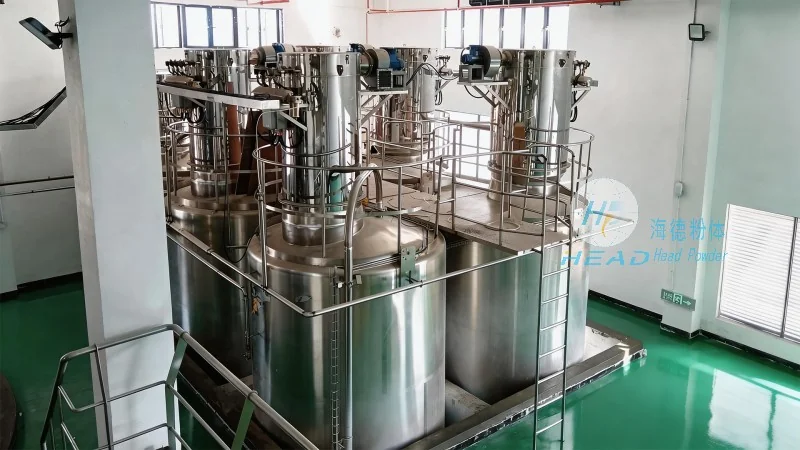
Integration with Manufacturing Workflows
Carbon fiber material handling systems are typically integrated into larger manufacturing workflows to enhance overall efficiency and productivity. These systems often work in conjunction with automated cutting, molding, or assembly equipment, creating a seamless material flow from raw carbon fiber to finished products. The integration allows for real-time monitoring of material movement, enabling manufacturers to track inventory levels, adjust production schedules, and identify bottlenecks in the process. Additionally, the systems can be equipped with sensors that detect defects or irregularities in the carbon fiber material, providing early warnings to operators and preventing the use of substandard components. This integration not only improves operational efficiency but also enhances product quality and consistency. For example, in a composite manufacturing line, the material handling system may feed carbon fiber sheets to a molding machine, where they are compressed and cured into final parts. The system ensures that the correct amount of material is delivered at the right time, minimizing waste and maximizing throughput.