

What is Automatic Feeding Powder Pneumatic Conveying? What Are the Design Principles?
Automatic feeding powder pneumatic conveying is a sophisticated method used in industrial processes to transport bulk powder materials through a pipeline system using air as the conveying medium. This technology has revolutionized the handling of fine powders, offering advantages such as reduced contamination, improved safety, and enhanced efficiency compared to traditional mechanical conveying systems. The core of this technology lies in the seamless integration of automatic feeding mechanisms with pneumatic transport, ensuring consistent and reliable material flow from the source to the destination.
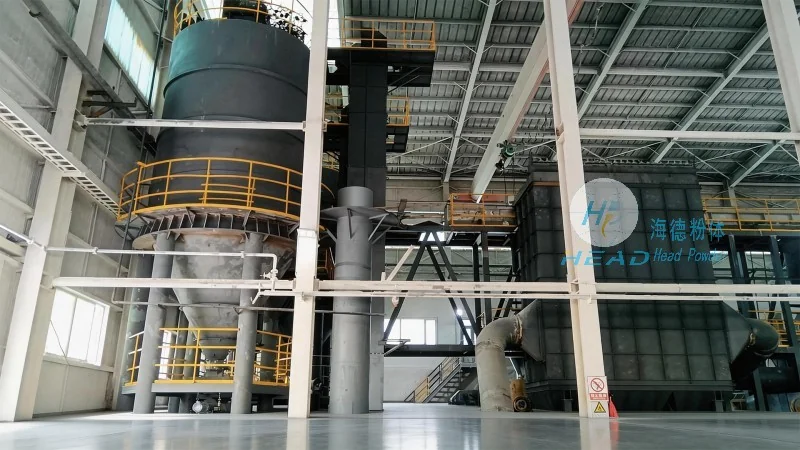
Understanding the Core Components of Automatic Feeding Powder Pneumatic Conveying
The system typically comprises several key components that work in harmony to achieve efficient powder transport. At the heart of the system is the feeder, which is responsible for controlling the flow rate of the powder into the conveying line. This component can be either a rotary valve, a screw feeder, or a gravimetric feeder, depending on the specific application requirements. The feeder ensures that the powder is introduced into the pipeline at a consistent rate, preventing blockages and maintaining system stability.
Next, the pneumatic conveying line itself is a critical element. It consists of a pipeline network that transports the powder particles along with the air stream. The line may include various components like elbows, tees, and filters to direct the flow and separate the powder from the air. The design of the pipeline, including its diameter and length, is crucial for optimizing the conveying efficiency and minimizing pressure losses.
A blower or compressor provides the necessary air pressure to move the powder particles through the system. The choice of equipment depends on the material's properties, such as particle size, density, and moisture content, as well as the required conveying distance. The blower generates a consistent airflow that propels the powder, ensuring that the material reaches the destination without degradation or loss.
Additionally, the system may include a separator or cyclone at the receiving end to separate the powder from the air. This component is essential for recovering the material and preventing dust emissions. The separator works by using centrifugal force to separate the heavier powder particles from the lighter air, allowing the powder to be collected in a hopper or storage tank.
The Design Principles Behind Automatic Feeding Powder Pneumatic Conveying
The design of an automatic feeding powder pneumatic conveying system follows several fundamental principles aimed at maximizing efficiency and reliability. One of the primary principles is the air-to-powder ratio, which refers to the ratio of air volume to the mass of powder being conveyed. This ratio is carefully calculated to ensure that the powder particles are fully suspended in the air stream, preventing settling or blockages. The optimal ratio varies depending on the material's characteristics and the conveying distance.
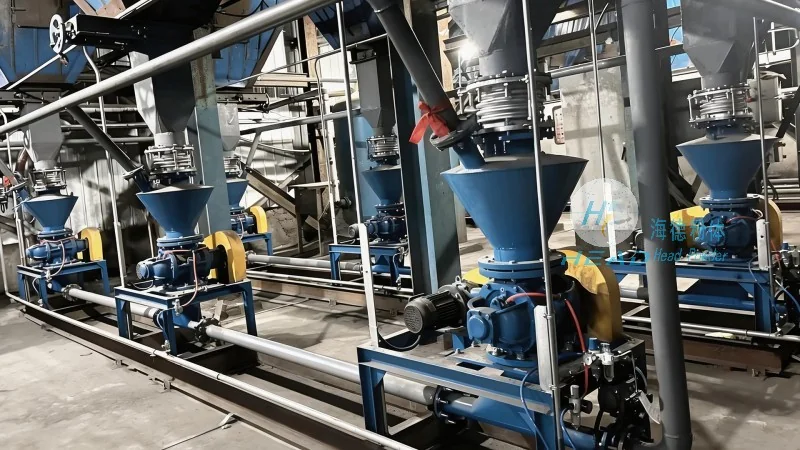
Another critical design principle is the system pressure. The pressure within the conveying line must be sufficient to overcome the resistance caused by the pipeline, fittings, and the powder's own weight. Proper pressure management is essential to maintain a consistent flow rate and prevent pressure drops that could lead to system inefficiencies. The design often incorporates pressure sensors and control valves to monitor and adjust the system as needed.
The pipeline layout is also a key design consideration. The system's layout should minimize the number of bends and fittings to reduce pressure losses and ensure smooth material flow. The use of straight sections and appropriate pipe diameters helps maintain the air velocity necessary for effective powder suspension. Additionally, the system may include expansion joints or flexible connectors to accommodate thermal expansion and reduce stress on the pipeline.
Material selection is another important aspect of the design. The components of the system, such as the feeder, pipeline, and separator, must be constructed from materials that are compatible with the powder being conveyed. For example, if the powder is corrosive or abrasive, the system may use stainless steel or specialized coatings to prevent wear and degradation. The choice of materials ensures the longevity and reliability of the system.
Applications and Benefits of Automatic Feeding Powder Pneumatic Conveying
Automatic feeding powder pneumatic conveying is widely used in various industries, including pharmaceuticals, food processing, chemicals, and minerals. In the pharmaceutical industry, for instance, this technology is used to transport active pharmaceutical ingredients (APIs) and excipients with high precision and minimal contamination. The automatic feeding mechanism ensures accurate dosing, while the pneumatic system prevents cross-contamination and maintains product integrity.
In the food processing industry, the system is employed to handle powders like flour, sugar, and spices. The design principles ensure that the materials are transported without moisture absorption or degradation, maintaining their quality and freshness. The automatic feeding and conveying process also reduces labor costs and improves operational efficiency in food production lines.
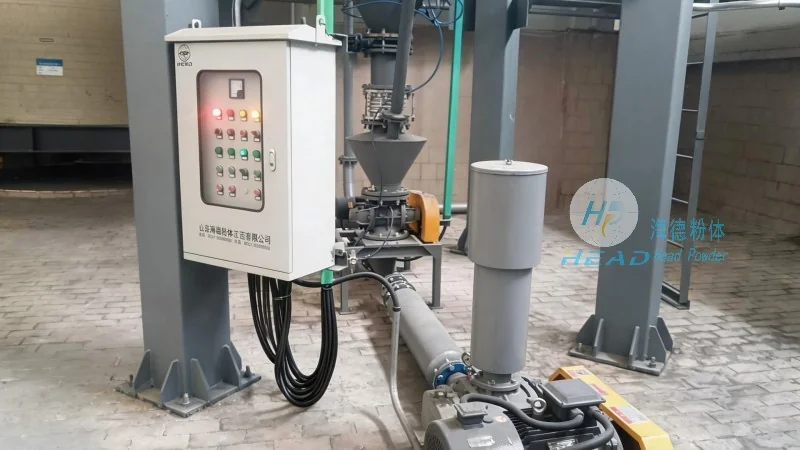
In the chemical industry, this technology is used to transport various powders, such as catalysts, pigments, and reagents. The system's ability to handle abrasive and corrosive materials makes it suitable for these applications. The design principles, including proper material selection and pressure management, ensure that the system operates safely and efficiently, minimizing the risk of accidents or material loss.
One of the primary benefits of automatic feeding powder pneumatic conveying is its ability to handle fine and cohesive powders that are difficult to transport using traditional methods. The system can handle materials with particle sizes ranging from a few microns to several millimeters, making it versatile for various applications. Additionally, the technology offers improved safety by eliminating the need for manual handling of powders, reducing the risk of dust explosions and respiratory issues.
Another significant advantage is the enhanced efficiency and flexibility of the system. The automatic feeding mechanism allows for precise control over the material flow rate, enabling real-time adjustments based on production demands. The pneumatic conveying system can be easily integrated with other equipment, such as mixers, blenders, and storage tanks, creating a seamless production line. This integration reduces downtime and improves overall productivity.
Conclusion and Company Overview
Automatic feeding powder pneumatic conveying is a highly effective and reliable technology for transporting bulk powder materials in industrial settings. Its design principles, which focus on efficient material flow, consistent feeding, and proper system pressure management, ensure optimal performance and longevity. The technology offers numerous benefits, including improved safety, reduced contamination, and enhanced operational efficiency, making it a preferred choice for many industries.
Shandong HeadPowder Engineering Co., Ltd., a leading company in the field, specializes in the design, manufacturing, and installation of automatic feeding powder pneumatic conveying systems. With years of experience and expertise, the company provides tailored solutions to meet the specific needs of its clients. HeadPowder's commitment to quality and innovation ensures that its systems are reliable, efficient, and cost-effective. The company's headquarters is located in Shandong, China, where it continues to develop and advance the technology for industrial applications.