

What is a PFA Material Handling System Equipment? What is its Design Principle?
This article provides an overview of PFA (Polytetrafluoroethylene-co-hexafluoropropylene) material handling system equipment, focusing on its applications and the underlying design principles that ensure efficient operation. The discussion is presented by Shandong HeadPowder Engineering Co., Ltd., a company based in China, which specializes in providing high-quality industrial solutions for various material handling needs.
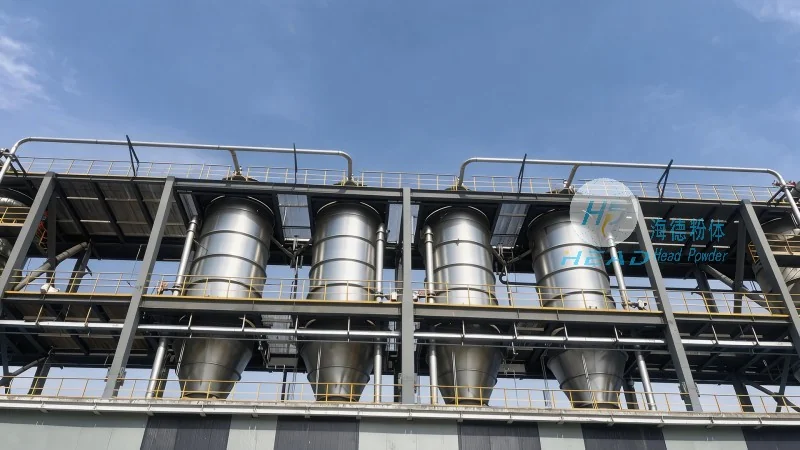
HeadPowder Engineering Co., Ltd. is located in Shandong, China, and has established itself as a reliable manufacturer and supplier of advanced material handling systems. The company's expertise lies in the development and implementation of equipment that can handle a wide range of materials, including those that are chemically aggressive or require precise control during transport. PFA material handling systems are particularly notable for their exceptional chemical resistance, thermal stability, and flexibility, making them suitable for demanding industrial environments.
PFA Material Handling System Equipment Overview
PFA material handling system equipment is designed to transport, store, and process materials in industrial settings. These systems typically consist of components such as conveyor belts, pumps, valves, and storage tanks, all engineered to work together seamlessly. The primary goal of such systems is to enhance productivity while minimizing the risk of material contamination or damage. PFA, as the main material of construction, offers superior resistance to chemicals, high temperatures, and mechanical stress, which are critical factors in many industrial processes.
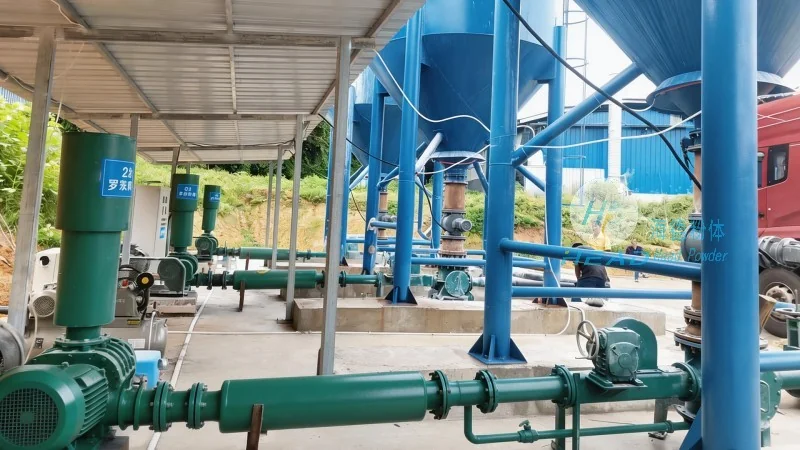
Key components of a PFA material handling system include: PFA-lined pumps and valves, which prevent corrosion and ensure reliable fluid transfer; PFA conveyor belts, which can handle abrasive or corrosive materials without degradation; and PFA storage tanks, which maintain the integrity of the material being stored. Each component is carefully selected and integrated to create a cohesive system that meets the specific requirements of the application.
Design Principles of PFA Material Handling Systems
The design of PFA material handling systems is guided by several key principles that ensure optimal performance and longevity. First, the system must be chemically compatible with the materials being handled. PFA's unique chemical structure, which consists of carbon and fluorine atoms, makes it highly resistant to a wide range of acids, bases, and solvents, reducing the risk of material degradation or system failure.
Second, thermal stability is a critical design consideration. PFA can withstand temperatures ranging from -200°C to +260°C, allowing it to operate in both cryogenic and high-temperature environments. This thermal resilience is essential for applications where materials are processed at extreme temperatures, such as in the chemical or semiconductor industries.
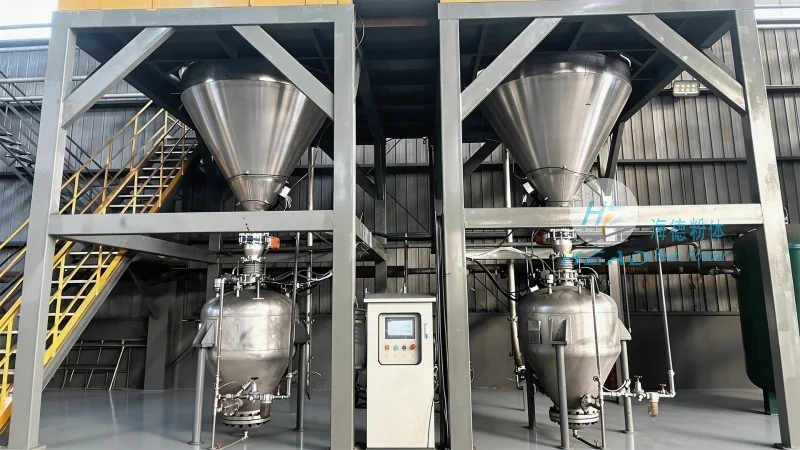
Third, mechanical strength and flexibility are important factors. PFA materials are known for their high tensile strength and flexibility, which allows them to withstand physical stress and maintain their shape under various operating conditions. This property is particularly valuable in conveyor systems and piping, where the material may be subjected to bending, stretching, or impact.
Fourth, the system design must prioritize safety and reliability. This includes features such as leak-proof connections, robust sealing mechanisms, and easy maintenance access points. The use of PFA in critical components reduces the likelihood of leaks or contamination, which can be costly and hazardous in industrial settings.
Applications and Benefits of PFA Material Handling Systems
PFA material handling systems are widely used in industries that require the handling of aggressive or sensitive materials. Some common applications include the chemical industry, where they are used to transport corrosive chemicals; the semiconductor industry, where they handle high-purity gases and liquids; and the pharmaceutical industry, where they ensure the purity of materials used in drug manufacturing.
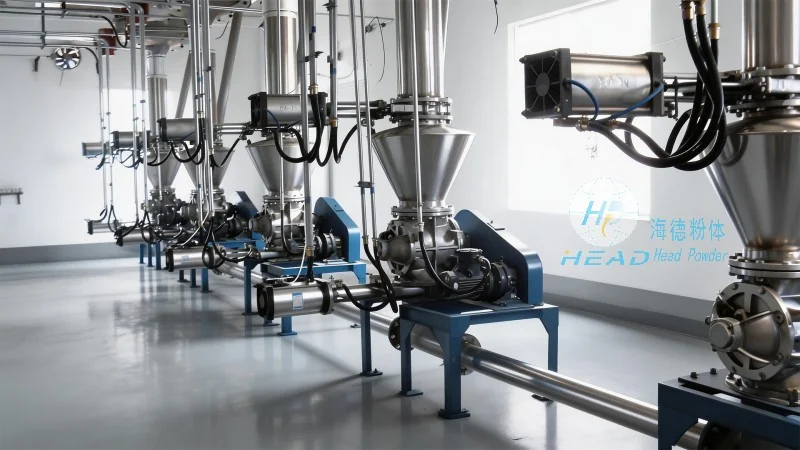
The benefits of using PFA material handling systems extend beyond chemical resistance and thermal stability. These systems are also known for their low friction coefficients, which reduce energy consumption and wear on components. Additionally, PFA's non-stick surface prevents material buildup, making cleaning and maintenance more efficient. The long service life of PFA components reduces replacement costs and downtime, contributing to overall operational efficiency.
Conclusion
In conclusion, PFA material handling system equipment is a sophisticated solution for industrial material transport and processing. The design principles, which emphasize chemical resistance, thermal stability, mechanical strength, and safety, ensure that these systems can operate reliably in demanding environments. Shandong HeadPowder Engineering Co., Ltd., with its headquarters in Shandong, China, is a key player in providing such advanced systems, helping industries enhance their productivity and maintain the integrity of their materials. The continued use and development of PFA material handling systems reflect their importance in modern industrial operations.