

What is a desulfurization and denitrification agent material handling system equipment? What are its
Desulfurization and denitrification are critical processes in modern industrial emissions control, and the material handling systems designed for these agents play a vital role in ensuring efficient and safe operation. This article explores the equipment used for transporting these specialized chemicals and delves into the underlying design principles that govern their functionality.
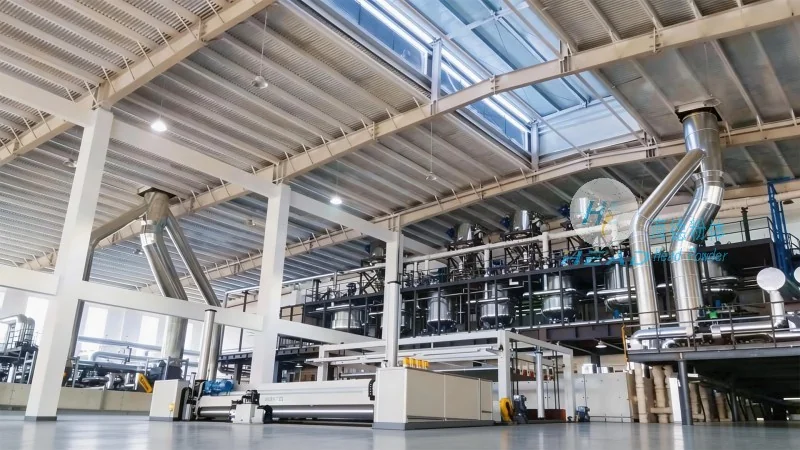
Introduction to Desulfurization and Denitrification Agent Material Handling Systems
Desulfurization and denitrification agents are essential components in flue gas treatment systems, which are widely used in power plants, industrial facilities, and other sectors to reduce harmful pollutants such as sulfur dioxide (SO₂) and nitrogen oxides (NOₓ). The efficient transportation of these agents from storage to the point of injection is crucial for maintaining optimal performance and compliance with environmental regulations. The material handling systems designed for these agents must address several key challenges, including chemical compatibility, corrosion resistance, and the need for precise dosing and control.
About Shandong HeadPowder Engineering Co., Ltd.
Shandong HeadPowder Engineering Co., Ltd., commonly known as HeadPowder, is a leading manufacturer specializing in engineering solutions for industrial material handling and processing. With a strong focus on innovation and quality, HeadPowder has established itself as a trusted partner for clients seeking reliable equipment for desulfurization and denitrification applications. The company is headquartered in Shandong, China, and has a proven track record of delivering high-performance systems that meet the stringent requirements of the industry.
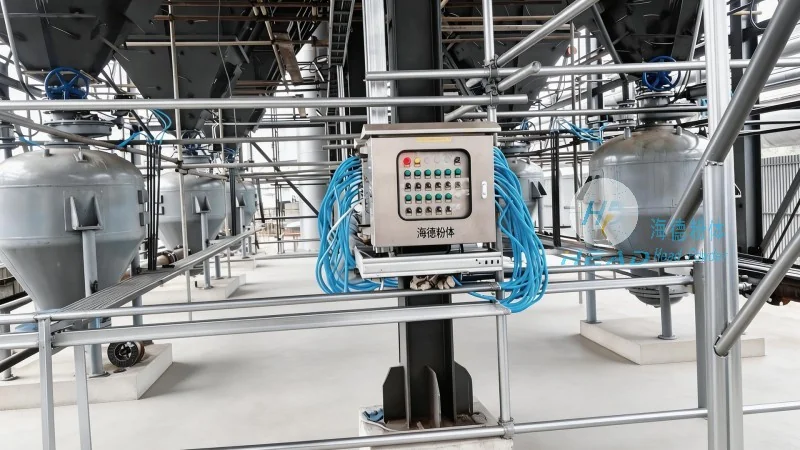
Design Principles of Desulfurization and Denitrification Agent Material Handling Systems
The design of a desulfurization and denitrification agent material handling system involves several key principles aimed at ensuring safety, efficiency, and durability. First, the system must be constructed from materials that are chemically compatible with the agents being handled, typically involving corrosion-resistant alloys such as stainless steel or specialized coatings. This prevents degradation of the equipment and ensures the integrity of the transported material. Second, the system must incorporate robust sealing and containment features to prevent leaks and spills, which are critical for environmental and safety compliance. Third, precise control mechanisms are essential for accurate dosing and flow regulation, often incorporating advanced sensors and automation technologies to maintain optimal performance.
Key Components and Functionalities
The material handling system typically includes several key components that work in tandem to achieve efficient operation. These components may include storage tanks or hoppers for the agents, conveying equipment such as screw conveyors or pneumatic systems for transporting the material, and dosing units that regulate the flow to the injection point. The design of these components must consider factors such as the physical properties of the agents (e.g., viscosity, particle size), the required flow rates, and the operating environment. For example, some systems may use screw conveyors for bulk solids, while others may employ pneumatic conveying for more viscous or fine powders. The dosing units often incorporate variable speed drives and flow meters to ensure precise control, which is essential for maintaining the desired concentration of the agents in the flue gas.
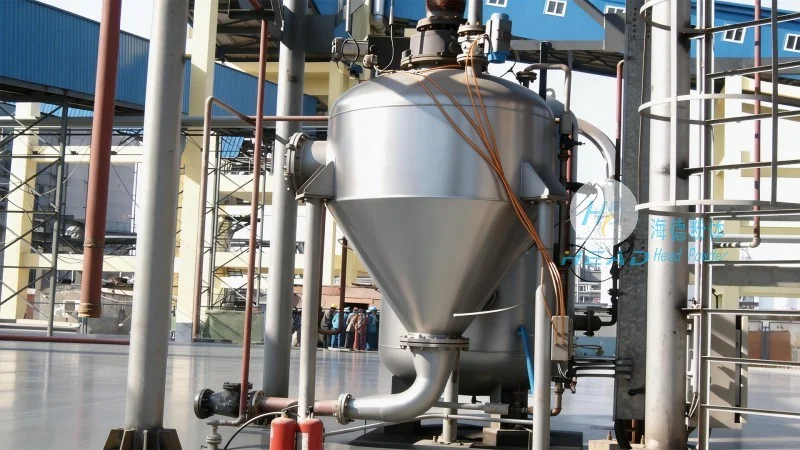
Application and Operational Considerations
Desulfurization and denitrification agent material handling systems are used in a variety of industrial settings, including thermal power plants, cement factories, and chemical processing facilities. The specific design of the system will vary depending on the application, with factors such as the scale of operation, the type of agent, and the required flow rates influencing the configuration. Operational considerations include regular maintenance to ensure the system remains in optimal condition, monitoring of chemical levels and flow rates, and adherence to safety protocols to prevent accidents. The system must also be designed to accommodate potential variations in the agent supply, such as changes in storage levels or the need for different types of agents for different treatment processes.
Conclusion
In summary, the desulfurization and denitrification agent material handling system equipment is a critical component of modern emissions control systems. The design principles that govern these systems focus on safety, efficiency, and durability, with careful consideration of material compatibility, sealing, and control mechanisms. Companies like Shandong HeadPowder Engineering Co., Ltd. play a vital role in providing reliable and high-performance solutions that meet the needs of industrial clients. By understanding the design principles and key components of these systems, operators can ensure optimal performance and compliance with environmental regulations, contributing to a cleaner and more sustainable industrial environment.