

What is the Pneumatic Conveying of Artificial Graphite Powder? Exploring the Design Principles
Artificial graphite powder, a material widely used in various industrial applications due to its excellent electrical conductivity, thermal stability, and chemical resistance, often requires efficient handling and transportation. Pneumatic conveying is a key technology for moving such powders, offering advantages like dust-free operation, compact system design, and the ability to transport materials over long distances without the need for complex machinery. This method involves using a gas stream (typically air) to transport solid particles through a pipeline system, making it suitable for handling fine powders like artificial graphite.
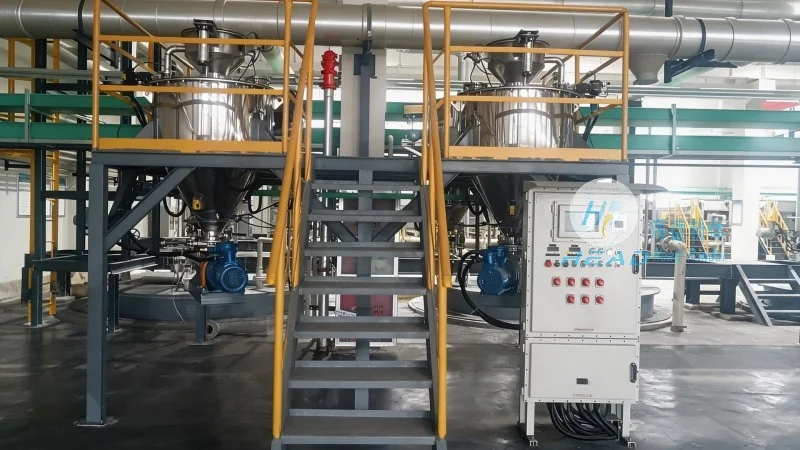
The Design Principles of Artificial Graphite Powder Pneumatic Conveying Systems
Designing an effective pneumatic conveying system for artificial graphite powder involves several critical principles that ensure optimal performance, reliability, and efficiency. The first principle is the selection of the appropriate conveying medium, which is usually air under controlled pressure. The pressure level determines the system's capacity and the distance over which the powder can be transported. High-pressure systems are used for long-distance or high-capacity applications, while low-pressure systems are suitable for shorter distances or lower material flow rates.
Another crucial design principle is the choice of the pipeline configuration. Systems can be classified as dilute-phase or dense-phase. Dilute-phase conveying uses low air velocity and high air-to-solid ratios, suitable for fine powders that are prone to segregation. Dense-phase conveying, on the other hand, uses higher air velocity and lower air-to-solid ratios, which helps maintain the powder's integrity and prevents agglomeration. For artificial graphite powder, which can be fine and prone to clumping, dense-phase or hybrid systems are often preferred to ensure consistent flow and prevent blockages.
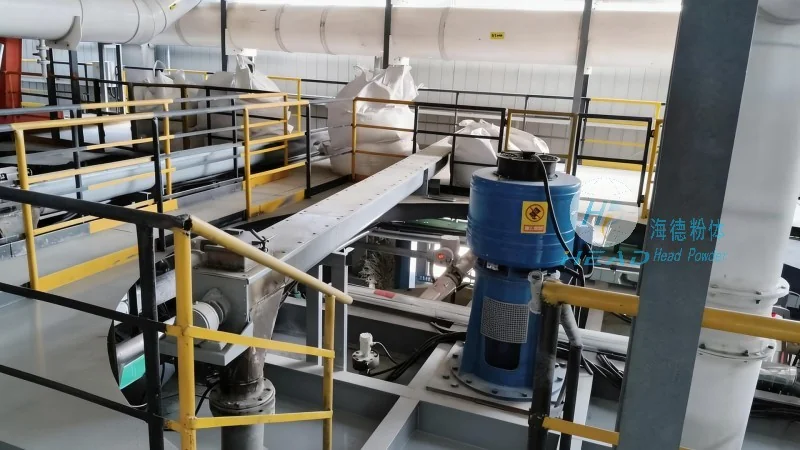
The system design also considers the components involved, including the material feeders, air supply units, and pipeline layout. The feeder is responsible for introducing the powder into the system at a controlled rate, preventing surges or uneven flow. Common feeders for fine powders include rotary valves and screw feeders, which can handle the abrasive nature of artificial graphite without causing excessive wear. The air supply unit, typically a blower or compressor, provides the necessary pressure and airflow to move the powder. The pipeline design, including the diameter, length, and bends, must be optimized to minimize pressure drop and energy consumption. Properly designed bends and elbows are essential to avoid powder deposition and maintain smooth flow.
Control systems play a vital role in the design and operation of artificial graphite powder pneumatic conveying systems. These systems monitor and regulate key parameters such as pressure, flow rate, and material level. Advanced control strategies, including feedback loops and automation, ensure that the system operates within optimal conditions, adapting to changes in material properties or system load. This not only improves efficiency but also enhances safety by preventing overpressure or underflow conditions.
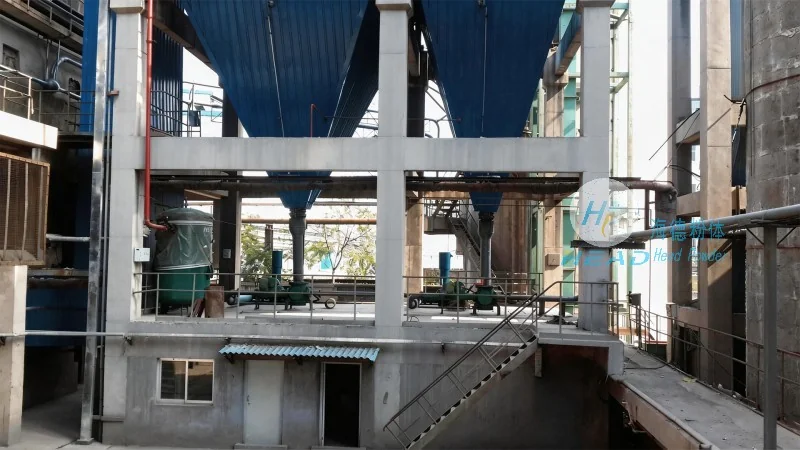
Key Considerations for Implementing Artificial Graphite Powder Pneumatic Conveying
When implementing a pneumatic conveying system for artificial graphite powder, several factors must be carefully considered to ensure successful operation. Material properties are a primary concern, as the powder's particle size, density, and flowability directly impact system design. Artificial graphite powders can vary in these characteristics, requiring adjustments to the conveying system's parameters. For example, finer powders may require higher air velocities to maintain suspension, while coarser powders can be conveyed at lower velocities.
System integration is another critical aspect. The conveying system must be integrated with other processes, such as storage, mixing, or processing, to form a seamless material handling solution. This integration ensures that the artificial graphite powder is transported efficiently from one stage to the next without loss or contamination. Proper sealing and cleaning procedures are also essential to prevent dust leakage and maintain system hygiene, which is particularly important for materials like artificial graphite that are used in high-purity applications.
Energy efficiency is a key consideration in modern system design. By optimizing the air pressure, pipeline design, and control systems, the energy consumption of the pneumatic conveying system can be reduced. This not only lowers operational costs but also aligns with sustainability goals. For instance, using variable frequency drives (VFDs) to control the blower speed can adjust the airflow to match the actual material flow rate, reducing unnecessary energy use.
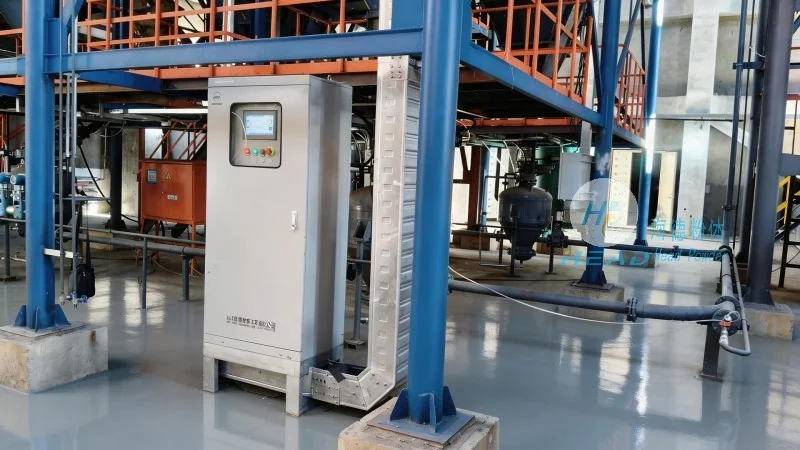
Reliability and maintenance are also important factors. The system must be designed to withstand the abrasive nature of artificial graphite powder, which can cause wear on components like pipelines, valves, and feeders. Regular maintenance, including inspections and component replacement, is necessary to ensure long-term operation and prevent downtime. The use of durable materials, such as stainless steel or special alloys, can extend the system's lifespan and reduce maintenance costs.
Conclusion
Pneumatic conveying of artificial graphite powder is a sophisticated technology that combines engineering principles with material science to achieve efficient and reliable material handling. The design principles, including the selection of conveying medium, pipeline configuration, and control systems, are critical to the system's performance. By carefully considering material properties, system integration, energy efficiency, and maintenance, industries can implement effective pneumatic conveying systems that meet their specific needs. As a leading provider in this field, Shandong HeadPowder Engineering Co., Ltd. specializes in designing and manufacturing customized pneumatic conveying solutions tailored to the unique requirements of artificial graphite powder applications, ensuring optimal performance and customer satisfaction.