

Cement Aggregate Powder Pneumatic Conveying: What It Is and Its Design Principles
HeadPowder, a leading engineering firm based in Shandong, China, specializes in the design and implementation of advanced material handling systems, including cement aggregate powder pneumatic conveying. This technology is crucial for efficiently transporting bulk materials like cement, aggregates, and other fine powders in industrial applications. Understanding the fundamentals of this system and its design principles is essential for optimizing material flow, ensuring safety, and enhancing operational efficiency.

Understanding Cement Aggregate Powder Pneumatic Conveying
Cement aggregate powder pneumatic conveying is a method of transporting dry bulk materials through a pipeline using a gas stream, typically air or a combination of air and other gases. Unlike traditional mechanical conveying systems, which rely on mechanical components like belts or screws, pneumatic conveying uses pressure or vacuum to move materials. This process is widely used in the construction, cement, and chemical industries due to its ability to handle fine powders and aggregates with minimal dust generation and high efficiency.
The core components of a pneumatic conveying system include a material feed hopper, a conveyor line (pipeline), a conveying medium (air), and a receiver or discharge point. The system operates by introducing the material into the hopper, where it is then drawn or pushed through the pipeline by the moving air. The design of each component is critical to the system's performance, as it directly impacts the material's flow rate, pressure drop, and overall efficiency.
Key Design Principles for Pneumatic Conveying Systems
Designing an effective cement aggregate powder pneumatic conveying system involves several key principles that ensure reliable operation and optimal performance. The first principle is the selection of the appropriate conveying medium and pressure. For cement and aggregate powders, positive pressure systems are commonly used, where air is blown into the pipeline to push the material forward. The pressure level is determined by the material's properties, such as particle size, density, and moisture content, as well as the system's length and layout.
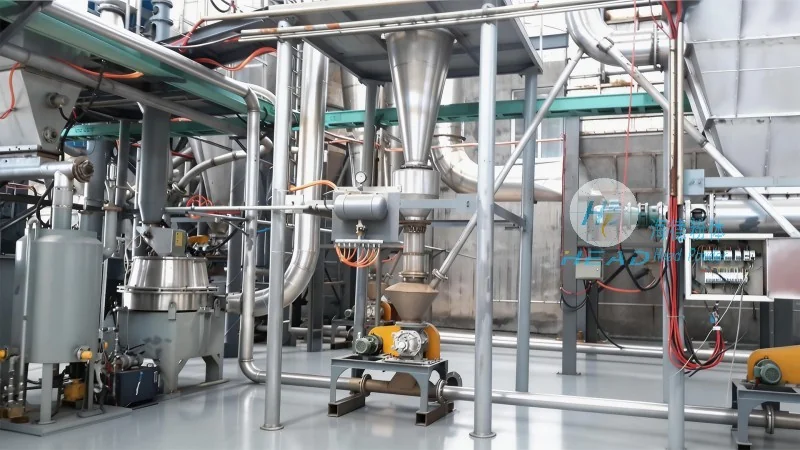
Another critical design principle is the proper sizing of the pipeline and components. The diameter of the pipeline must be sufficient to accommodate the material's flow rate without causing excessive pressure drop or particle degradation. The pipeline's material, such as stainless steel or plastic, is chosen based on the material's corrosiveness and abrasiveness. For example, cement and aggregates can be abrasive, so materials like stainless steel or high-density polyethylene (HDPE) are often used to prevent wear and tear.
The system's layout and configuration also play a vital role in its design. The pipeline should be designed to minimize bends and changes in direction, as these can cause pressure losses and material blockages. The use of straight sections and gradual bends helps maintain consistent flow and reduces the risk of clogging. Additionally, the placement of the feed hopper and receiver is crucial to ensure smooth material transfer and prevent backflow or material accumulation.
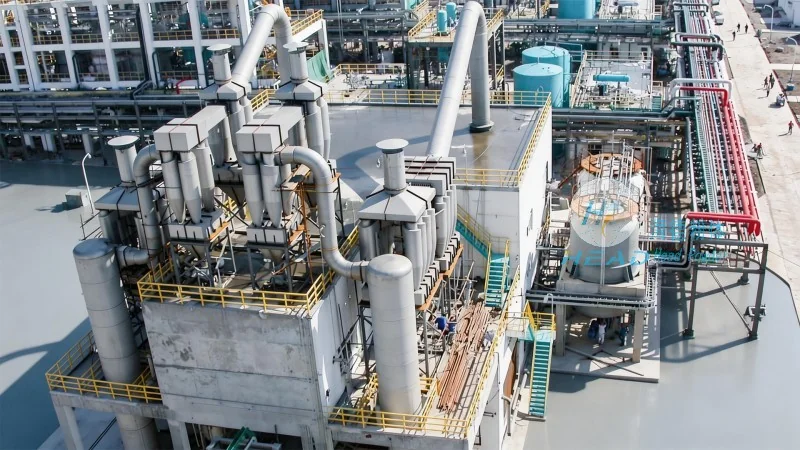
Material Handling Efficiency and Safety Considerations
Efficiency and safety are paramount in the design and operation of cement aggregate powder pneumatic conveying systems. The system's efficiency is measured by factors such as the material's flow rate, the pressure drop across the pipeline, and the energy consumption. Optimizing these factors reduces operational costs and increases productivity. For example, using a larger pipeline diameter or increasing the conveying pressure can improve flow rate but may also increase energy consumption, so a balance must be achieved.
Safety considerations are also critical, as pneumatic conveying systems can pose risks such as dust explosions or material blockages. Proper design includes features like dust collection systems, pressure relief valves, and emergency shut-off mechanisms. The use of explosion-proof components and regular maintenance can further enhance safety. Additionally, the system's design should comply with local regulations and industry standards to ensure safe operation.
HeadPowder's Expertise in Pneumatic Conveying Solutions
HeadPowder Engineering Co., Ltd., based in Shandong, China, offers comprehensive expertise in designing and implementing cement aggregate powder pneumatic conveying systems. With years of experience in the material handling industry, the company provides tailored solutions that meet the specific needs of clients. HeadPowder's engineers use advanced software and simulation tools to design systems that optimize material flow, reduce energy consumption, and enhance safety. The company's commitment to quality and customer satisfaction has made it a trusted partner for businesses in the construction and cement industries.