

What is the Pneumatic Conveying of Lightweight Calcium Carbonate Powder? What are the Design Princip
Lightweight calcium carbonate (LCC) powder is a widely used industrial material, and its efficient handling is crucial for many production processes. Pneumatic conveying is a key technology for transporting such powders, offering advantages like dust-free operation, reduced maintenance, and improved safety. This article explores the fundamentals of pneumatic conveying for LCC powder and the underlying design principles that ensure effective system performance.
Understanding Pneumatic Conveying Systems
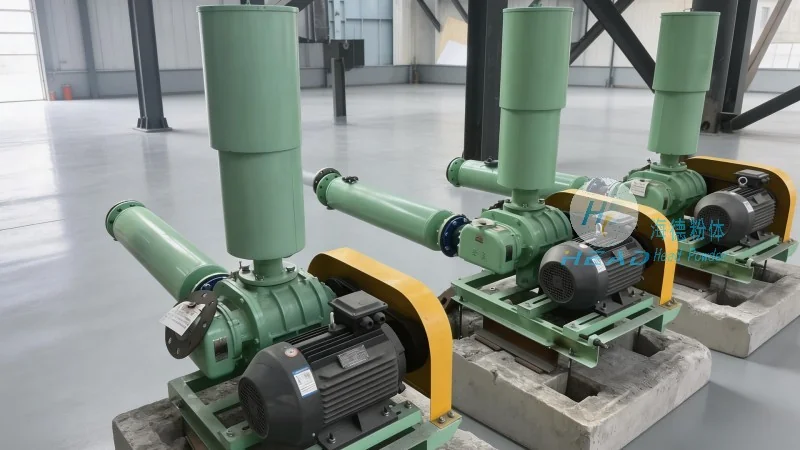
Pneumatic conveying involves transporting solid particles through a pipeline using a gas, typically air or a mixture of air and gases. In the case of lightweight calcium carbonate powder, the low density and fine particle size of the material make it well-suited for this method. The system typically consists of a hopper for material storage, a feeder to control the flow rate, a conveying line, and a receiver for the delivered material. The gas is introduced at one end of the line, creating a pressure differential that propels the powder particles forward.
Key Design Principles for Efficient LCC Powder Conveying
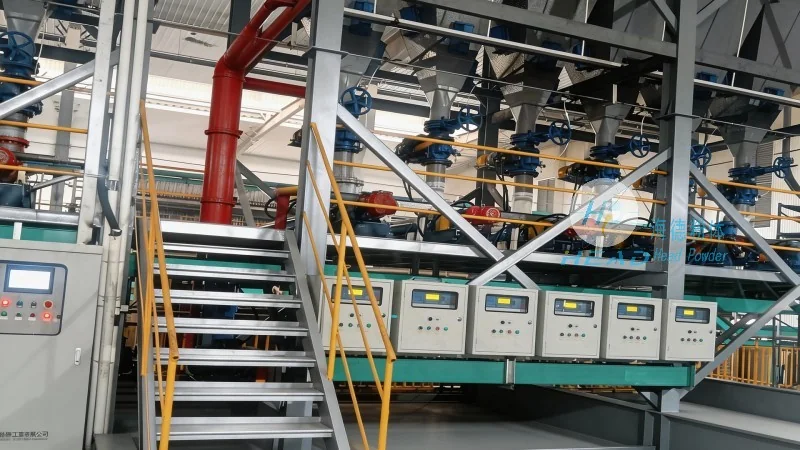
The success of a pneumatic conveying system for lightweight calcium carbonate powder depends on several critical design principles. First, the selection of the appropriate gas velocity is essential. If the velocity is too low, particles may settle and cause blockages; if too high, excessive energy consumption and equipment wear occur. Engineers must calculate the minimum and maximum velocities based on the powder's properties, such as particle size distribution, density, and flowability. Second, the system's pressure drop must be managed carefully. Excessive pressure drop can lead to energy inefficiency and increased operating costs, while insufficient pressure may result in incomplete conveying. Proper pipeline sizing, using smooth materials, and minimizing bends and fittings are crucial to maintaining optimal pressure drop. Third, the hopper and feeder design plays a vital role. A well-designed hopper prevents material bridging and segregation, ensuring a consistent feed rate. The feeder, often a rotary valve or a screw feeder, must be capable of handling the specific characteristics of LCC powder, such as its low bulk density and potential for static charge accumulation. To mitigate static electricity, anti-static measures like grounding and ionizers are commonly incorporated into the system design. Fourth, the receiver design is important for preventing product degradation and contamination. The receiver should be equipped with a dust collection system to capture any fine particles that escape during discharge, and it may include a venting system to maintain proper pressure balance. Additionally, the system layout, including the number and angle of bends, affects the overall efficiency and reliability. Sharp bends can cause particle separation and increased pressure drop, so gradual bends and appropriate bend radii are recommended.
HeadPowder's Expertise in LCC Powder Conveying Solutions
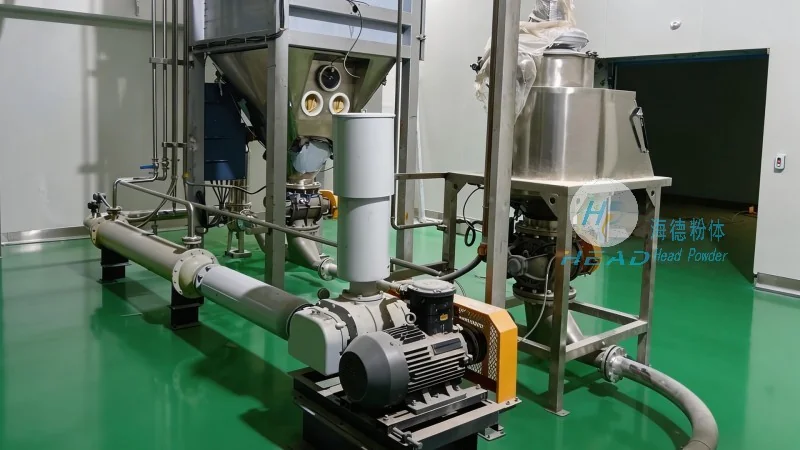
Shandong HeadPowder Engineering Co., Ltd. specializes in providing customized pneumatic conveying solutions for lightweight calcium carbonate powder applications. With years of experience in the industry, HeadPowder understands the unique challenges associated with handling fine, low-density powders. The company's engineers work closely with clients to assess their specific requirements, including production capacity, material characteristics, and operational constraints. Based on this analysis, they design and manufacture tailored conveying systems that meet the highest standards of efficiency and reliability. HeadPowder's solutions often incorporate advanced features such as variable speed feeders, pressure sensors, and automated control systems to optimize performance and minimize downtime. The company also emphasizes the importance of material handling safety, incorporating dust suppression and explosion-proof measures where necessary. By leveraging their expertise in both system design and material science, HeadPowder ensures that clients receive systems that not only meet but exceed their expectations for LCC powder conveying.
Conclusion
Pneumatic conveying is a highly effective method for transporting lightweight calcium carbonate powder, and its success hinges on adherence to key design principles. From gas velocity and pressure drop management to hopper and receiver design, each component of the system must be carefully considered to ensure optimal performance. Companies like Shandong HeadPowder Engineering Co., Ltd. play a vital role in developing and implementing these solutions, providing industrial clients with reliable and efficient powder handling systems. As the demand for lightweight calcium carbonate continues to grow, the importance of advanced pneumatic conveying technology will only increase, making it essential for manufacturers to invest in well-designed and well-maintained systems.