

What is an Intermittent Inflated Tank Powder Pneumatic Conveying System? And What Are Its Design Pri
For industrial operations dealing with bulk powder handling, the choice of a reliable and efficient conveying system is critical. Among the various technologies available, the intermittent inflated tank powder pneumatic conveying system stands out as a robust solution designed to meet the demands of modern powder processing. This article delves into the core concept of this system, exploring its design principles and the technical advantages it offers. The system operates by first filling a tank with the powder material, then pressurizing the tank with air, which lifts and transports the powder through a pipeline to the desired destination. The process repeats in cycles, providing a controlled and efficient means of moving powders over short to medium distances. The tank itself is typically constructed from high-quality materials such as stainless steel or carbon steel, ensuring durability and resistance to corrosion from the conveyed powders.
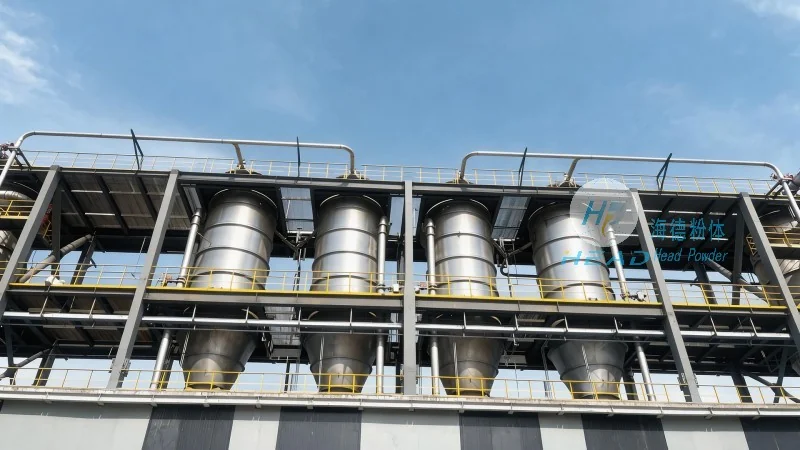
Understanding the Intermittent Inflated Tank Powder Pneumatic Conveying System
The intermittent inflated tank system is a type of pneumatic conveying equipment that utilizes a tank to store and transport bulk powders through a pressurized air stream. Unlike continuous systems, this method operates in cycles, where the tank is first filled with material, then pressurized, and subsequently emptied as the air flows through the material, carrying it to the destination. This cycle repeats, providing a controlled and efficient means of transporting powders over short to medium distances. The tank's design allows for uniform air distribution, preventing agglomeration and ensuring consistent flow. The system is particularly effective for handling a wide range of powder types, from fine to coarse particles, without the need for additional conditioning equipment. Its modular structure enables easy integration into existing production lines, adapting to the spatial constraints of the facility.
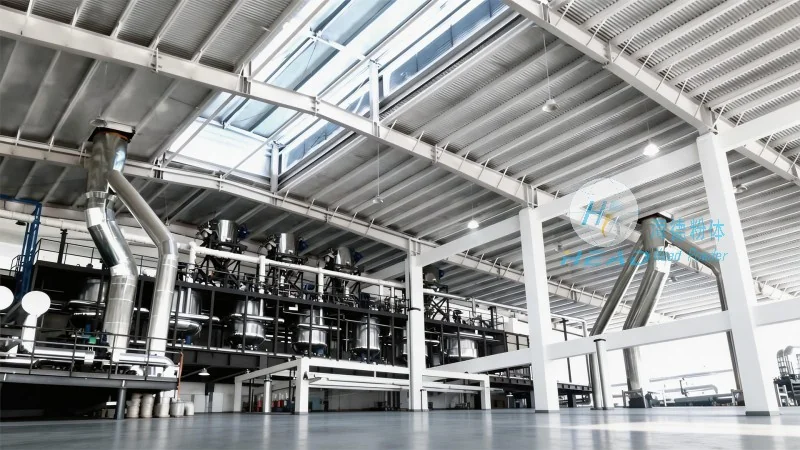
Key Features of the Intermittent Inflated Tank System
One of the primary advantages of this system is its ability to handle a wide range of powder types, from fine to coarse particles, without the need for additional conditioning equipment. The tank's design allows for uniform air distribution, preventing agglomeration and ensuring consistent flow. Additionally, the intermittent operation reduces energy consumption compared to continuous systems, as the air is only used during the conveying phase. This feature makes it particularly suitable for applications where energy efficiency is a priority. The system also offers flexibility in terms of layout, as the tank can be positioned at various heights and angles, adapting to the spatial constraints of the facility. Furthermore, the system incorporates safety features such as pressure relief valves and overfill protection, ensuring safe operation in industrial environments.
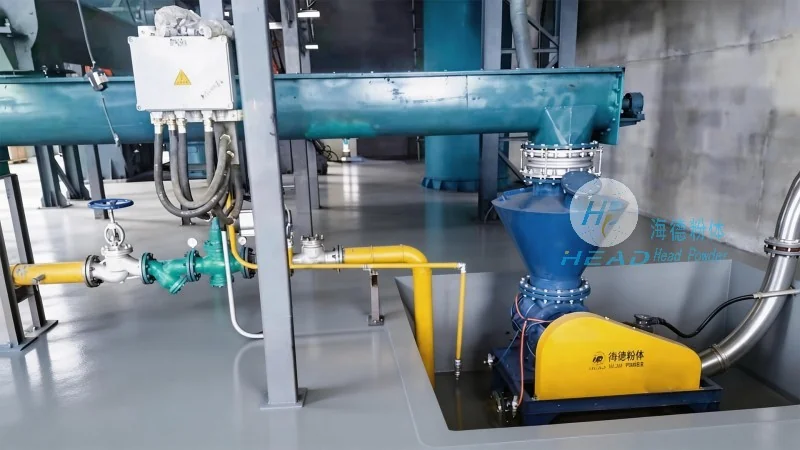
Design Principles Behind the Intermittent Inflated Tank
The design of the intermittent inflated tank system is based on several key principles aimed at optimizing performance and reliability. First, the tank's internal structure, including the placement of air inlet and outlet ports, is engineered to create a uniform pressure field within the material. This uniformity ensures that the powder is lifted and transported smoothly, minimizing the risk of blockages or uneven flow. Second, the system incorporates pressure control mechanisms, such as regulators and valves, to maintain consistent air pressure during operation. These controls help prevent over-pressurization, which could damage the tank or cause material spillage. Third, the tank is equipped with a discharge valve that opens at the end of the conveying cycle, allowing the material to be released in a controlled manner. This design minimizes the risk of material buildup and ensures a clean and efficient discharge process. The system also includes material level sensors and indicators to monitor the tank's contents, providing real-time feedback to operators and enhancing process control.
Company Profile: HeadPowder
HeadPowder, or Shandong HeadPowder Engineering Co., Ltd., is a leading manufacturer specializing in powder handling equipment. With operations based in Shandong, China, the company has established itself as a trusted provider of high-quality pneumatic conveying systems. HeadPowder's expertise lies in designing and manufacturing equipment tailored to the specific needs of industrial clients, ensuring that each system meets the unique requirements of the application. The company's commitment to quality and innovation has earned it a reputation for reliability and performance in the industry. HeadPowder employs a team of experienced engineers and technicians who work closely with clients to understand their operational challenges and develop customized solutions. The company's production facilities are equipped with advanced manufacturing equipment and stringent quality control processes, ensuring that every product meets or exceeds industry standards.
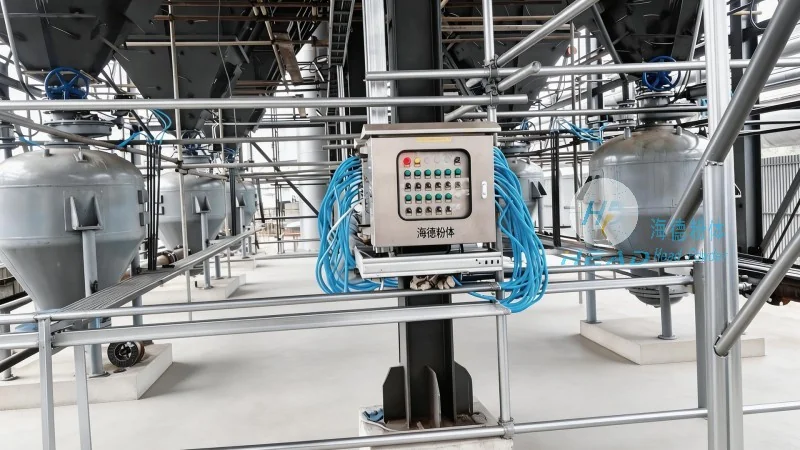
Applications and Benefits
The intermittent inflated tank powder pneumatic conveying system finds applications in various industries, including pharmaceuticals, food processing, chemicals, and mining. In pharmaceutical manufacturing, for example, the system is used to transport active ingredients and excipients with high precision, ensuring that the final product meets stringent quality standards. In the food industry, it is employed to handle powders such as flour, sugar, and spices, maintaining hygiene and preventing contamination. The benefits of this system extend beyond efficiency and reliability; it also reduces labor costs by automating the powder handling process and minimizing the need for manual intervention. Furthermore, the system's compact design allows for easy integration into existing production lines, making it a practical solution for facilities with limited space. The system also contributes to improved safety in the workplace by reducing the need for manual handling of powders, which can pose health risks such as inhalation or skin irritation.