

What is a Dry Flue Gas Desulfurization Ash Powder Pneumatic Conveying System? And What Are Its Desig
Dry flue gas desulfurization (FGD) is a critical technology for reducing sulfur dioxide emissions in power plants and industrial facilities. The process generates fine ash powder, which must be efficiently transported from the desulfurization unit to storage or disposal sites. Pneumatic conveying systems provide an effective solution for this task, offering a safe, reliable, and efficient method to handle dry powders. This article explores the components, operational principles, and design considerations of the dry FGD ash powder pneumatic conveying system, with a focus on the expertise of Shandong HeadPowder Engineering Co., Ltd., a leading manufacturer based in Shandong, China.
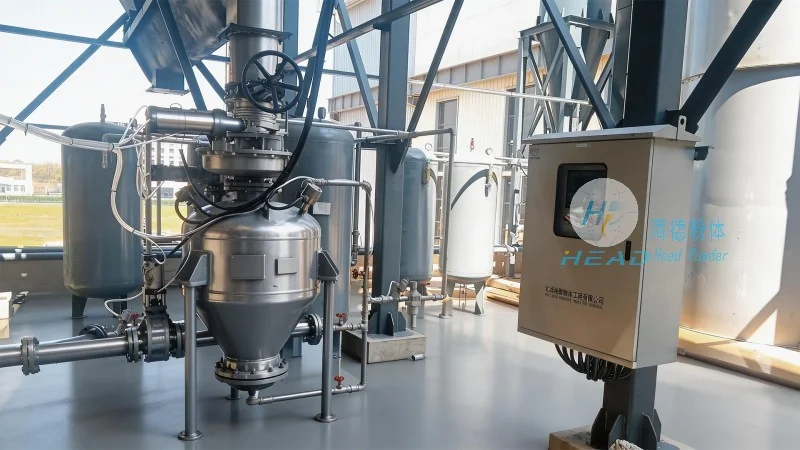
Introduction to Dry FGD Ash Powder Pneumatic Conveying Systems
Dry FGD ash, also known as desulfurization gypsum or flue gas desulfurization residue, is a byproduct of the sulfur dioxide removal process. This fine powder requires specialized handling to prevent dust emissions and ensure compliance with environmental regulations. Pneumatic conveying systems use compressed air to transport the ash, eliminating the need for mechanical components that may be prone to wear or contamination. The system's design must align with the specific properties of the ash, including particle size distribution, moisture content, and chemical composition, to ensure optimal performance.
Key Components of the Pneumatic Conveying System
The dry FGD ash powder pneumatic conveying system consists of several interdependent components that work together to facilitate material transport. These components include:
1. **Ash Collection Hopper**: This component collects the fine ash from the desulfurization unit. It is designed to handle the specific flow characteristics of the ash, ensuring consistent material feed into the system. The hopper may include features such as a level indicator or a feeding mechanism to control the discharge rate.
2. **Air Compressor or Blower**: The air compressor generates the necessary pressure and airflow to entrain and transport the ash particles. The choice of compressor type (e.g., positive displacement or centrifugal) depends on the conveying distance, flow rate, and particle characteristics. The compressor must be capable of maintaining stable pressure to overcome resistance in the conveying line.
3. **Conveying Line**: The line transports the air and ash mixture from the source to the destination. It is typically made of corrosion-resistant materials, such as stainless steel or plastic, to withstand the acidic components present in the ash. The line may include bends, valves, or filters to direct the flow and prevent blockages.
4. **Discharge Equipment**: At the receiving end, the discharge equipment separates the ash from the air and controls the release of the material. This may include rotary valves, dust collectors, or storage silos. The equipment must ensure accurate dosing and minimize dust emissions.
Operational Principles and Working Mechanism
The pneumatic conveying system operates on the principle of using compressed air to create a flow of air and ash particles. When the air compressor starts, it generates a high-pressure air stream that enters the conveying line. The ash particles are introduced into the line, either by gravity from the hopper or via a feeding device, and are entrained by the air flow. The air and ash mixture travels through the line to the discharge point, where the air is separated from the ash, and the ash is collected in the receiving container.
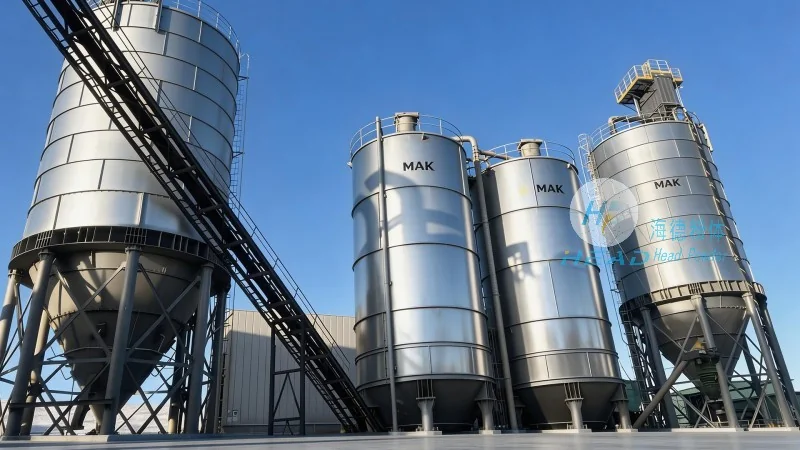
Two primary types of pneumatic conveying systems are used for FGD ash: positive displacement and pressure dilute phase systems. Positive displacement systems use a pump or blower to create a high-pressure air stream, suitable for short-distance or high-concentration conveying. Pressure dilute phase systems use a lower pressure air stream, ideal for long-distance or low-concentration conveying. The selection depends on factors such as the distance between the source and destination, the particle size, and the required flow rate.
Design Principles and Considerations
Designing an effective dry FGD ash powder pneumatic conveying system requires careful consideration of several factors to ensure performance, reliability, and cost-effectiveness. Key design considerations include:
1. **Particle Characteristics**: The system must be designed to handle the specific particle size distribution, moisture content, and flowability of the FGD ash. Particle size affects the air velocity required for entrainment, while moisture content impacts the ash's dustiness and flowability.
2. **Conveying Distance and Flow Rate**: The design must accommodate the required conveying distance and flow rate. The flow rate is determined by the production capacity of the desulfurization unit and the storage or disposal needs. The conveying distance is influenced by the facility layout and the location of the receiving site.
3. **Material Compatibility**: The components must be compatible with the chemical composition of the ash, which may include acidic or corrosive substances. This requires the use of corrosion-resistant materials for the conveying line and components.
4. **Safety and Environmental Compliance**: The system must be designed to minimize dust emissions and prevent exposure to hazardous ash particles. It must comply with local and national regulations regarding waste management and air quality.
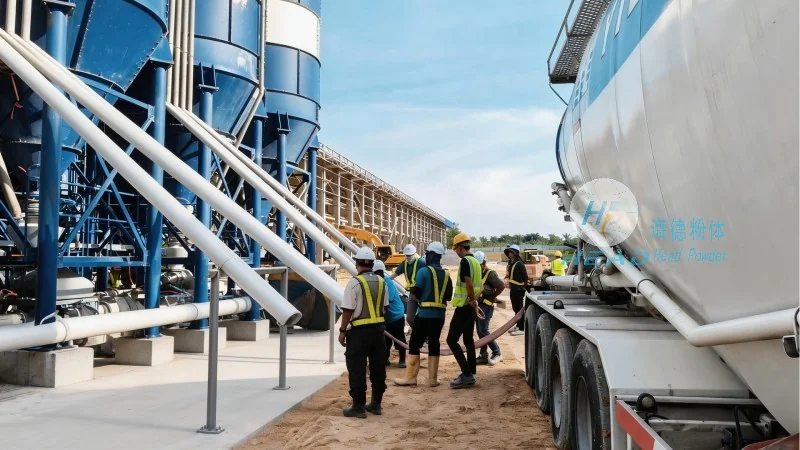
Applications and Benefits of the System
The dry FGD ash powder pneumatic conveying system is widely used in power plants and industrial facilities for the efficient transport of desulfurization ash. The primary benefits of this system include:
1. **Efficient Material Handling**: The system can transport large quantities of ash over long distances without mechanical components, reducing maintenance costs and wear.
2. **Reduced Environmental Impact**: By using a closed system, it minimizes dust emissions and protects the environment and nearby communities.
3. **Improved Safety**: The closed system reduces worker exposure to hazardous ash particles, enhancing workplace safety.
4. **Cost-Effective Operation**: The system operates with lower energy consumption compared to other transport methods, leading to long-term cost savings.
5. **Flexibility**: The system can be easily integrated into existing facility layouts and adapted to handle different types of ash or other powders.
Conclusion
In conclusion, the dry flue gas desulfurization ash powder pneumatic conveying system is a vital component in the flue gas treatment process, enabling the efficient and safe transport of desulfurization ash. The design of this system must consider the specific properties of the ash, the required flow rate and distance, and safety and environmental regulations. By leveraging advanced engineering and materials, companies like Shandong HeadPowder Engineering Co., Ltd. provide reliable solutions that meet the operational needs of power plants and industrial facilities while minimizing environmental impact and ensuring worker safety.