

What is a Sodium Hypochlorite Powder Pneumatic Conveying System? And What Are Its Design Principles?
Sodium hypochlorite is a widely used chemical in various industries, including water treatment, disinfection, and industrial cleaning. Its application often requires efficient and safe handling of the powder form. A sodium hypochlorite powder pneumatic conveying system is a specialized solution designed to transport this chemical from storage to processing units. This article explores the fundamental aspects of such systems, focusing on their design principles and operational efficiency.
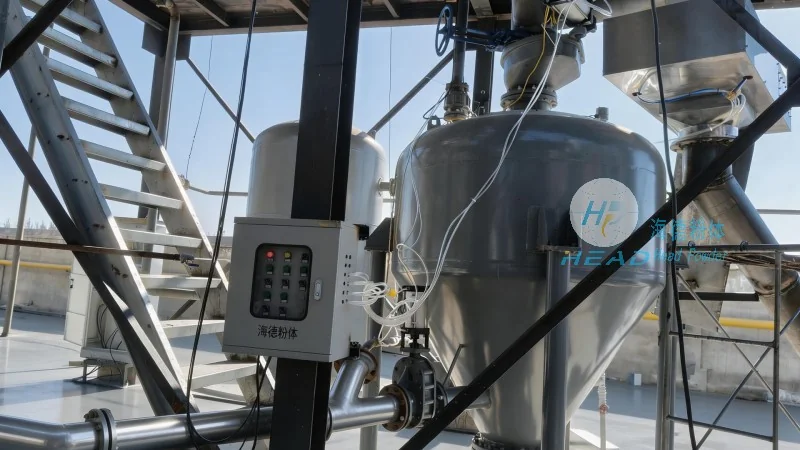
What is a Sodium Hypochlorite Powder Pneumatic Conveying System?
A pneumatic conveying system for sodium hypochlorite powder uses compressed air or other gases to transport the dry powder material through a pipeline. This method offers several advantages over traditional mechanical conveying, such as reduced risk of dust explosion, lower maintenance costs, and the ability to handle sensitive or hazardous materials like sodium hypochlorite. The system typically consists of a storage silo, a feeder, a conveying line, and a receiver or processing unit. The compressed air is introduced at one end of the pipeline, creating a flow that pulls the powder particles along, ensuring a consistent and controlled transfer process.
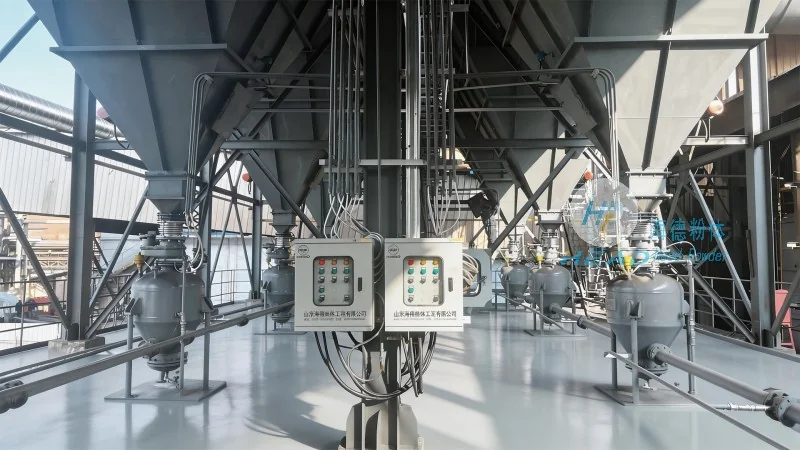
Key Components of the System
The effectiveness of a sodium hypochlorite powder pneumatic conveying system relies on its key components, each playing a critical role in the overall operation. The storage silo is where the bulk of the sodium hypochlorite powder is kept, often under controlled conditions to prevent moisture absorption or degradation. The feeder, usually a rotary valve or a screw feeder, regulates the flow of powder from the silo into the conveying line. This component ensures a steady feed rate, preventing overloading or underfeeding that could disrupt the system. The conveying line itself is made of materials resistant to corrosion and chemical attack, such as stainless steel or special alloys, to withstand the harsh environment of sodium hypochlorite. The receiver, located at the end of the pipeline, collects the powder and directs it to the processing equipment. In some designs, a dust collector or a cyclone separator may be integrated to capture any fine particles that escape during the conveying process, ensuring minimal loss and environmental compliance.
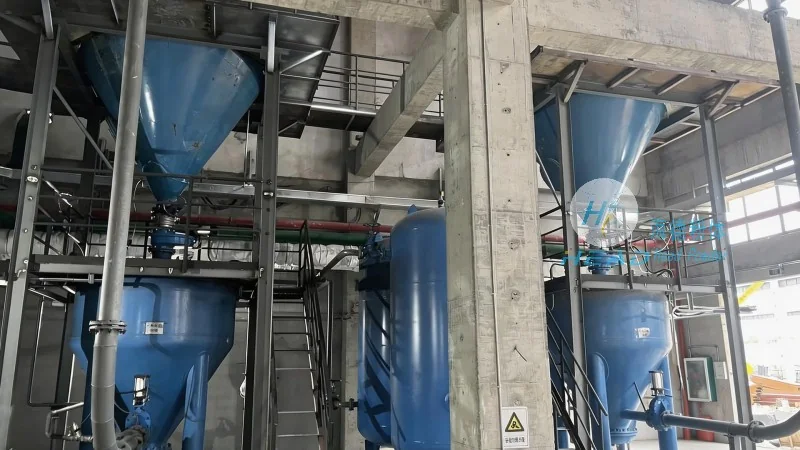
Design Principles for Efficient Operation
The design of a sodium hypochlorite powder pneumatic conveying system is guided by several principles to ensure optimal performance and safety. One of the primary principles is maintaining an appropriate air-to-powder ratio, which is the ratio of the volume of air to the volume of powder being transported. This ratio is crucial for achieving a stable conveying condition, often referred to as the "dilute phase" or "dense phase" conveying. The dilute phase conveying uses higher air velocities to transport the powder in a suspended state, while the dense phase conveying uses lower velocities to move the powder in a more compact form. The choice between these two modes depends on the specific characteristics of the sodium hypochlorite powder, such as its particle size, density, and flowability. Another critical design principle is the selection of the pipeline diameter and length. The diameter must be large enough to prevent excessive pressure drop and particle segregation, while the length should be optimized to minimize energy consumption and maintain the required conveying velocity. The pipeline layout also needs to consider the vertical and horizontal changes, incorporating appropriate bends and elbows that minimize turbulence and pressure loss. Additionally, the system must incorporate safety features to handle the hazardous nature of sodium hypochlorite. This includes explosion-proof components, pressure relief valves, and monitoring systems to detect any abnormal conditions, such as overpressure or blockages. Proper sealing and material selection are also essential to prevent leaks and ensure the system operates within safe parameters.
Operational Considerations and Maintenance
Once the system is designed and installed, proper operation and maintenance are vital to ensure long-term performance and reliability. Regular monitoring of the air pressure, flow rate, and powder feed rate helps in identifying any deviations from the design conditions. This allows for timely adjustments to maintain optimal conveying efficiency. The system should also be equipped with cleaning mechanisms to remove any accumulated powder or debris from the pipeline and components, especially after periods of inactivity or when handling different materials. This prevents clogging and ensures consistent performance. Additionally, the use of compatible materials for all components, such as corrosion-resistant stainless steel or special coatings, is crucial to extend the system's lifespan and maintain its integrity over time. Regular inspections and maintenance checks, including visual inspections, pressure tests, and component replacements, are recommended to keep the system in good working condition. By adhering to these operational and maintenance practices, the sodium hypochlorite powder pneumatic conveying system can deliver reliable and efficient performance, meeting the demands of various industrial applications.
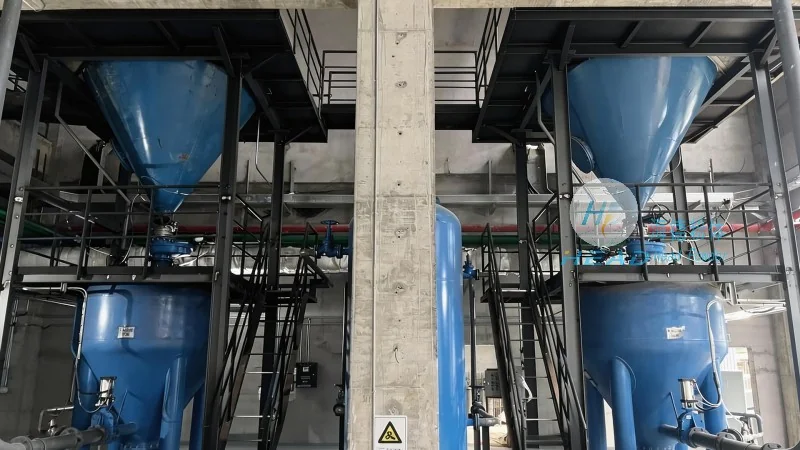
About Shandong HeadPowder Engineering Co., Ltd.
Shandong HeadPowder Engineering Co., Ltd., commonly known as HeadPowder, is a leading manufacturer and supplier of specialized pneumatic conveying systems and related equipment. With a strong focus on innovation and quality, HeadPowder has established itself as a trusted partner in the chemical processing industry. The company's expertise lies in designing and manufacturing systems tailored to the unique requirements of various applications, including those involving sodium hypochlorite and other hazardous powders. HeadPowder's commitment to safety, efficiency, and customer satisfaction has earned it a reputation for delivering high-performance solutions that meet or exceed industry standards. Based in Shandong, China, HeadPowder leverages its local resources and technical capabilities to provide comprehensive support to clients worldwide. The company's team of experienced engineers and technicians work closely with clients to understand their specific needs and develop customized solutions that enhance operational efficiency and reduce costs. HeadPowder's products are designed with the latest technologies and adhere to international safety and quality standards, ensuring reliable and durable performance in demanding industrial environments.