

What is a Perlite Powder Pneumatic Conveying System? And What Are Its Design Principles?
Perlite powder pneumatic conveying systems are specialized equipment used in industrial settings to transport fine powders like perlite efficiently. These systems utilize air as the conveying medium, enabling the movement of materials without the need for mechanical components like belts or buckets. The technology is particularly valuable for handling materials that are prone to dust generation or require a clean, low-contact transport method.
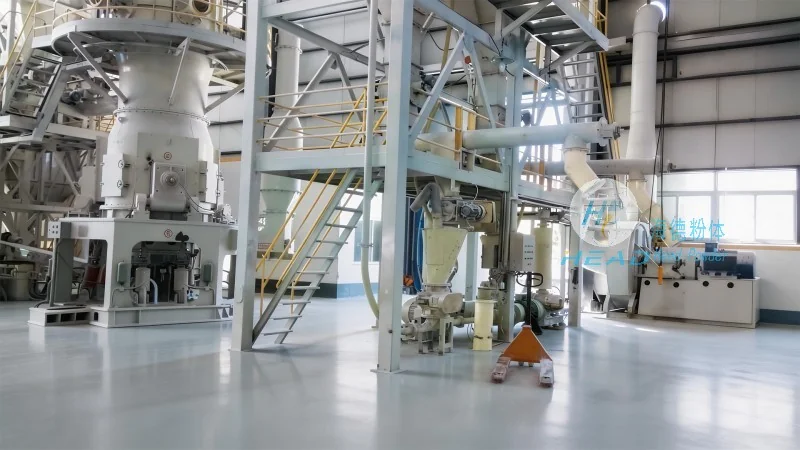
Key Components of a Pneumatic Conveying System
At the core of a perlite powder pneumatic conveying system are several key components that work in tandem to ensure effective material transport. The primary components include a material hopper, a blower or compressor to generate the air flow, a conveying line (often a flexible hose or rigid pipe), and a receiver or discharge unit. The material hopper is designed to hold the perlite powder, providing a consistent feed to the system. The blower or compressor supplies the necessary pressure and airflow to move the powder through the conveying line. The conveying line can be either flexible, allowing for easy installation in confined spaces, or rigid, offering higher pressure capabilities for longer distances. The receiver is where the perlite is deposited, completing the transport process.
Design Principles and Operational Mechanics
The design principles of a perlite powder pneumatic conveying system are centered on maintaining a stable and efficient flow of material. One of the fundamental principles is the balance between the air velocity and the particle size of the perlite. The air velocity must be sufficient to lift and carry the particles but not so high as to cause excessive wear on the system components or create excessive dust. The system is typically designed with a pressure or vacuum operation, depending on the application. In pressure systems, the blower pushes air and material through the line, while in vacuum systems, a vacuum pump draws the material into the line. The choice between pressure and vacuum depends on factors such as the distance to be covered, the height of the lift, and the nature of the material being conveyed. The system also incorporates features like in-line filters to prevent dust from escaping and check valves to prevent backflow, ensuring smooth and reliable operation.
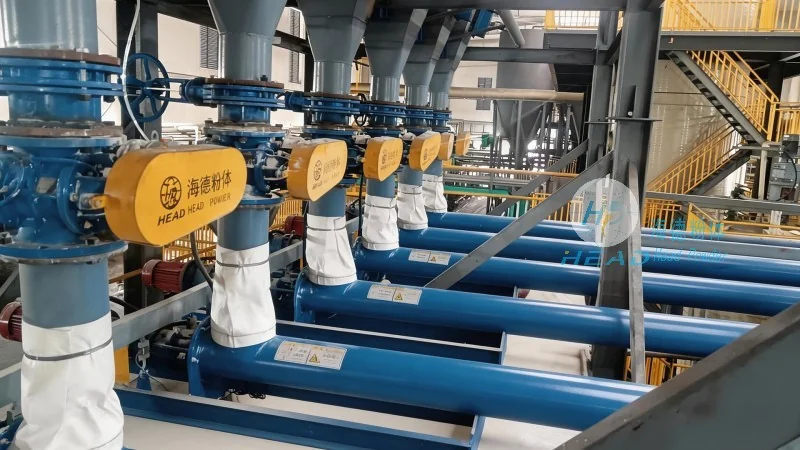
Advantages of Using a Pneumatic Conveying System for Perlite
Implementing a pneumatic conveying system for perlite offers several advantages over traditional mechanical conveying methods. One of the most significant benefits is the reduction in dust generation, which is crucial for maintaining a safe and clean working environment. Unlike mechanical systems that can cause particles to break apart and create airborne dust, pneumatic systems keep the material intact, minimizing respiratory hazards and contamination risks. Additionally, pneumatic systems allow for the transport of materials over longer distances and at higher elevations with less energy consumption compared to other methods. The flexibility of the conveying line also enables easier integration into existing industrial setups, reducing installation time and costs. Furthermore, the system can handle a wide range of particle sizes and moisture contents, making it versatile for various perlite applications, from construction to horticulture.
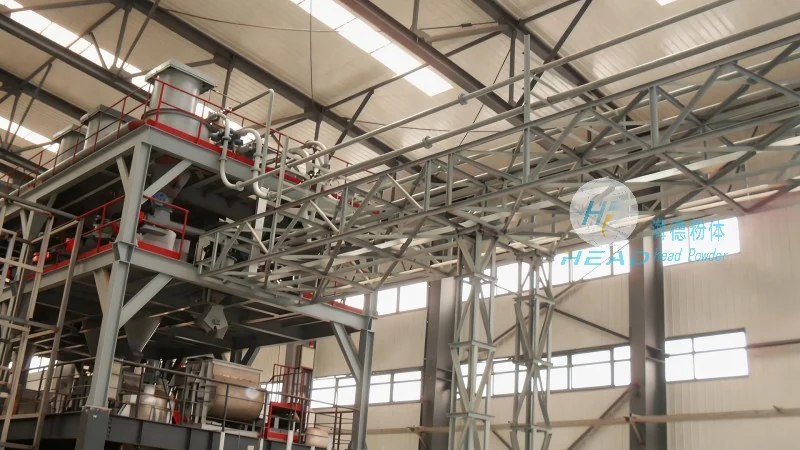
Applications and Industry Use Cases
Perlite powder pneumatic conveying systems are widely used across various industries that utilize perlite as a raw material. In the construction industry, these systems are employed to transport perlite for use in lightweight concrete, insulation boards, and other building materials. The horticulture sector also benefits from pneumatic conveying, as perlite is commonly used as a soil amendment and growing medium in hydroponic systems. Additionally, in the chemical and pharmaceutical industries, perlite is used as a filler or filter aid, and pneumatic systems ensure efficient and clean transport of these materials. The consistent and controlled transport provided by these systems helps maintain product quality and reduces waste, making them an essential part of modern industrial processes.
Customization and Scalability
Shandong HeadPowder Engineering Co., Ltd., a leading manufacturer based in China, offers customized pneumatic conveying systems tailored to the specific needs of their clients. The company understands that each industrial application has unique requirements, such as varying material properties, transport distances, and environmental constraints. Therefore, their design team works closely with clients to develop systems that meet these specific needs. The systems can be scaled to handle different capacities, from small-scale laboratory applications to large industrial production lines. The company also provides maintenance and support services to ensure the long-term reliability and efficiency of the systems. By leveraging advanced engineering and manufacturing capabilities, Shandong HeadPowder Engineering Co., Ltd. ensures that their pneumatic conveying systems are not only effective but also durable and cost-efficient for their clients.