

What is an Industrial Salt Powder Pneumatic Conveying Equipment? And What Are Its Design Principles?
HeadPowder, a leading manufacturer based in Shandong, China, specializes in the design and production of advanced pneumatic conveying systems tailored for industrial applications. Among these, the industrial salt powder pneumatic conveying equipment stands out as a critical solution for efficiently transporting bulk salt in various industrial processes. This equipment is engineered to handle the unique challenges associated with salt powders, such as their granular nature, moisture content, and potential for caking, ensuring reliable and safe material handling.
Understanding Pneumatic Conveying Technology
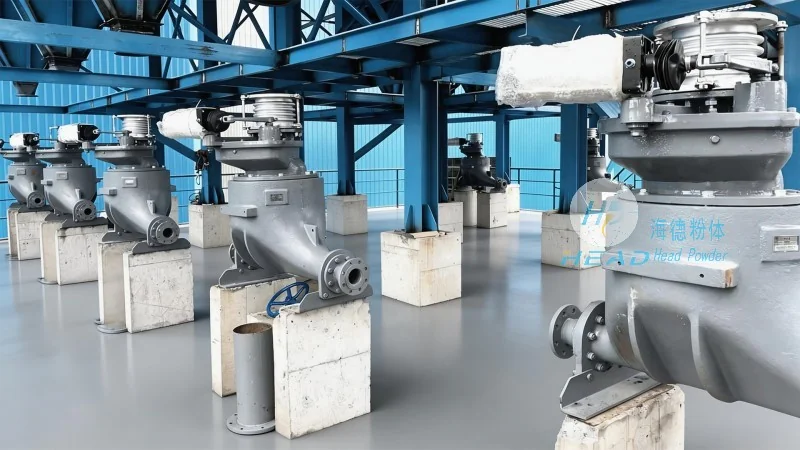
Pneumatic conveying, or air-based material transport, is a method that uses compressed air to move dry bulk materials like industrial salt through a pipeline. Unlike traditional mechanical conveyors, this system eliminates the need for moving parts in the conveying line, reducing maintenance and increasing operational efficiency. The technology operates on two primary principles: suction (or vacuum) and pressure. Suction systems draw material from a hopper into the pipeline using a vacuum created by a fan, while pressure systems force air and material through the line using a positive pressure fan. For industrial salt, the choice between these systems depends on factors like the distance to be covered, the volume of material, and the need for containment.
Design Principles for Industrial Salt Powder Conveying
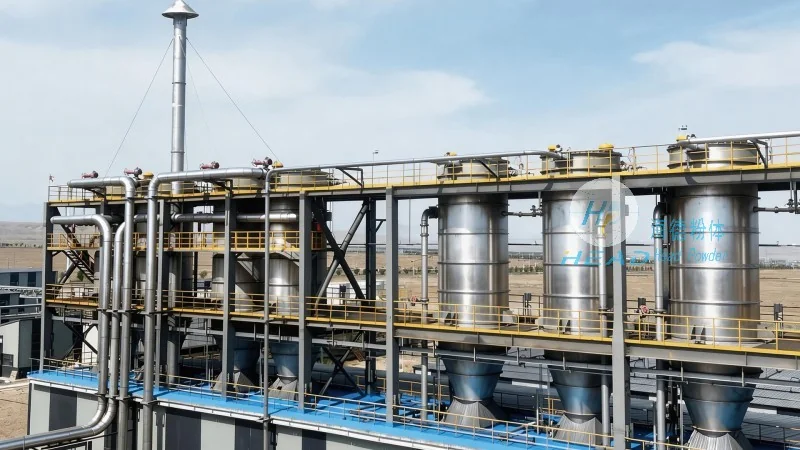
The design of industrial salt powder pneumatic conveying equipment involves several key components, each optimized for the specific characteristics of salt powders. The system typically includes a hopper for material storage, a feeder to control the flow rate, a pipeline network, a fan or blower to generate the necessary air pressure, and a separation unit to return excess air and separate the salt from the air stream. For industrial salt, the hopper is often equipped with a agitator or vibratory mechanism to prevent caking and ensure consistent material flow. The feeder, such as a rotary valve or a screw feeder, is designed to handle the abrasive nature of salt particles, minimizing wear and tear. The pipeline is usually made of corrosion-resistant materials like stainless steel or PVC to withstand the chemical properties of salt and prevent contamination. The fan is selected based on the required air volume and pressure, ensuring sufficient force to move the salt particles through the system without excessive energy consumption. The separation unit, often a cyclone or a bag filter, is crucial for recovering the salt and maintaining air quality. It works by using centrifugal force to separate the salt particles from the air, allowing the air to be recirculated or discharged, while the salt is collected for reuse.
Key Considerations in Equipment Design
When designing industrial salt powder pneumatic conveying equipment, several factors must be carefully considered to ensure optimal performance and longevity. First, the particle size and shape of the salt are critical. Coarser particles may require higher air velocities to maintain suspension, while finer particles can lead to increased air resistance and potential blockages. The moisture content of the salt also plays a role; higher moisture levels can cause caking, which can impede the feeder and hopper, requiring additional measures like drying or anti-caking agents. The system's layout, including the length and diameter of the pipeline, the number of bends, and the elevation changes, affects the air pressure and energy requirements. For example, longer pipelines or higher elevations increase the pressure drop, necessitating a more powerful fan. The material of construction is another important consideration. Salt is highly corrosive, so materials like stainless steel, aluminum, or specialized coatings are used to protect the equipment from corrosion and maintain product purity. Additionally, the system must comply with safety regulations, including explosion-proof designs for handling potentially flammable or explosive dust-air mixtures, and proper ventilation to prevent dust accumulation.
Customization and Application in Industrial Settings
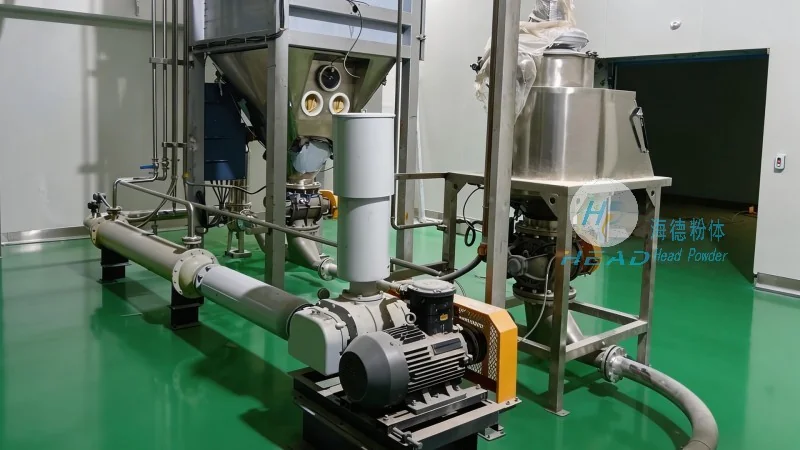
HeadPowder recognizes that each industrial application has unique requirements, and therefore, offers customized pneumatic conveying solutions for industrial salt. The company works closely with clients to understand their specific needs, such as the scale of operation, the type of salt (e.g., table salt, rock salt, or de-icing salt), and the process flow. Based on this information, HeadPowder engineers design a system that maximizes efficiency, minimizes downtime, and ensures compliance with industry standards. For example, in a salt production facility, the equipment may be integrated with the production line to transport raw salt from storage to processing units, while in a chemical plant, it may be used to convey salt for blending with other chemicals. The company also provides after-sales support, including maintenance services and spare parts, to ensure the long-term reliability of the equipment. By focusing on customization and quality, HeadPowder ensures that its industrial salt powder pneumatic conveying equipment meets the exact demands of its clients, providing a reliable and efficient solution for bulk material transport.