

What is a Wheat Bran Powder Pneumatic Conveying Equipment? And What Are Its Design Principles?
Wheat bran, a byproduct of wheat milling, is widely utilized in the food and animal feed sectors. Efficient and hygienic handling of this fine powder is critical for preserving product quality and operational efficiency. Pneumatic conveying equipment has become a key solution for transporting wheat bran powder, offering advantages over traditional methods like belt conveyors or bucket elevators. This article explores the concept of wheat bran powder pneumatic conveying equipment and delves into its fundamental design principles.
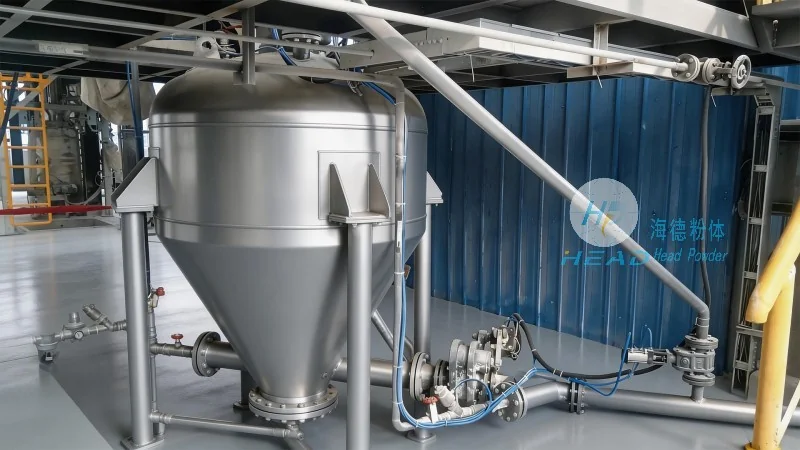
Overview of Wheat Bran Powder Pneumatic Conveying Equipment
Pneumatic conveying systems are employed to transport bulk materials, such as wheat bran, through a pipeline using air or other gases. These systems are particularly suitable for handling fine, dusty powders like wheat bran, which can be challenging to move using mechanical means due to their light weight and tendency to create dust. The equipment typically comprises a series of components that work in concert to create a controlled flow of material and air, ensuring safe and efficient transport from the source to the destination.
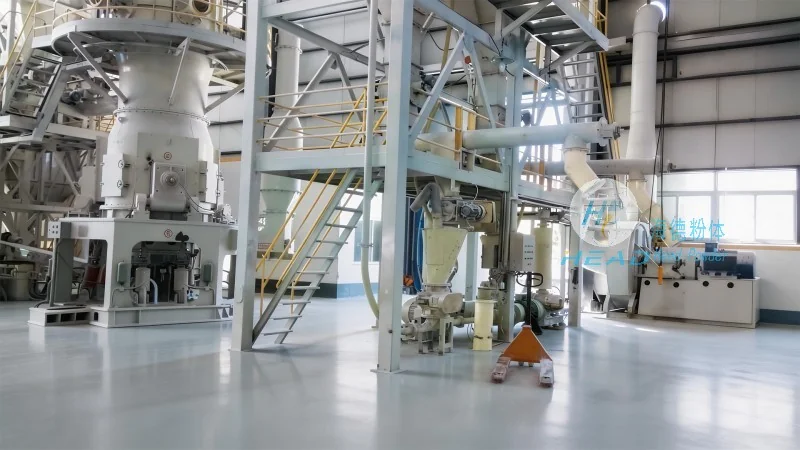
Key Components of the Pneumatic Conveying System
The core components of a wheat bran powder pneumatic conveying system include the material feed unit, the conveying pipeline, the separation and collection system, and the air supply system. The feed unit is responsible for introducing the wheat bran powder into the system, often using a rotary valve or a vacuum feeder to ensure a consistent flow. The conveying pipeline is designed to withstand the pressure and flow of air and material, with appropriate fittings and bends to direct the flow. The separation system, such as cyclones or filters, is used to separate the wheat bran from the air stream at the end of the pipeline, ensuring that the powder is collected in a clean and dust-free manner. The air supply system, which may include a blower or a vacuum pump, provides the necessary pressure or suction to move the material through the pipeline.
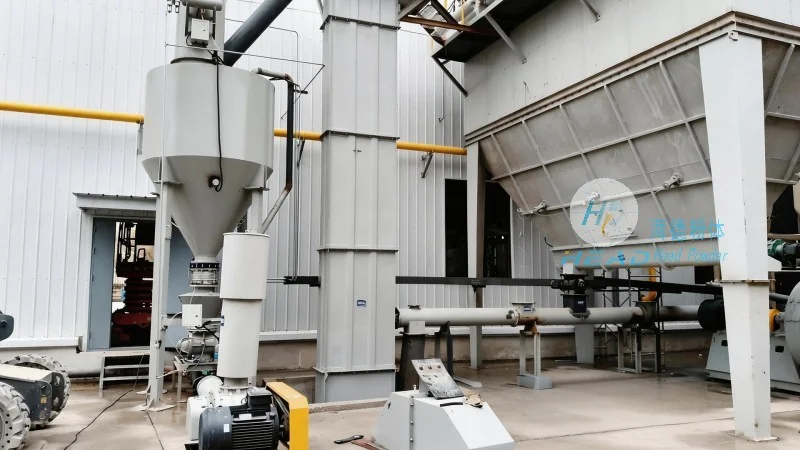
Design Principles of Pneumatic Conveying for Wheat Bran
The design of a pneumatic conveying system for wheat bran powder is based on several key principles to ensure optimal performance. The first principle is the selection of the appropriate conveying method, which can be either positive pressure (where air is blown into the pipeline to push the material) or negative pressure (where air is drawn out to pull the material). The choice depends on factors such as the distance of transport, the volume of material, and the need for dust control. The second principle is the calculation of the air-to-material ratio, which is the ratio of the volume of air to the volume of material being conveyed. This ratio is critical for maintaining a stable flow and preventing blockages or excessive pressure drops. The third principle is the consideration of the pipeline layout, including the number of bends, the diameter of the pipes, and the use of special fittings to minimize friction and energy loss. Additionally, the design must account for the hygienic requirements of the food industry, ensuring that all components are easy to clean and maintain, and that the system can be sanitized as needed.
Advantages of Using Pneumatic Conveying for Wheat Bran
Implementing a pneumatic conveying system for wheat bran offers several advantages over traditional handling methods. Firstly, it provides a dust-free and hygienic environment, which is essential for food processing applications. The enclosed system prevents the release of fine particles into the air, reducing the risk of contamination and improving workplace safety. Secondly, pneumatic conveying allows for continuous and automated operation, increasing production efficiency and reducing labor costs. The system can be integrated with other processing equipment, such as mixers or storage silos, to create a seamless workflow. Thirdly, it offers flexibility in terms of layout, as the pipeline can be installed in various configurations to suit the plant layout. Finally, the system is relatively low maintenance compared to mechanical conveyors, as there are fewer moving parts that can wear out or require replacement.
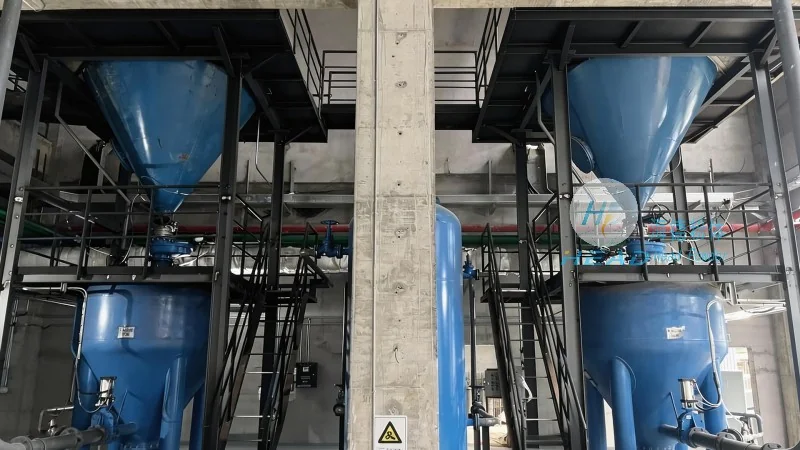
About Shandong HeadPowder Engineering Co., Ltd.
Shandong HeadPowder Engineering Co., Ltd., a leading manufacturer based in Shandong, China, specializes in the design and production of advanced pneumatic conveying equipment for various powder materials, including wheat bran. The company has extensive experience in the food and feed industries, and its products are known for their high quality, reliability, and adherence to industry standards. HeadPowder engineers work closely with clients to understand their specific needs and provide customized solutions that meet their operational requirements. The company's commitment to innovation and customer satisfaction has made it a trusted partner for businesses seeking efficient and effective powder handling solutions.