

What is Sulfur Powder Pneumatic Conveying Equipment? And What Are Its Design Principles?
Sulfur powder pneumatic conveying equipment is a specialized system designed to transport sulfur powder efficiently and safely in industrial settings. This equipment plays a crucial role in various processes where sulfur powder needs to be moved from one location to another, ensuring consistent and reliable material handling. The design of such equipment is tailored to address the unique properties of sulfur powder, including its dustiness, potential for static electricity, and the need for controlled air flow to maintain product integrity.
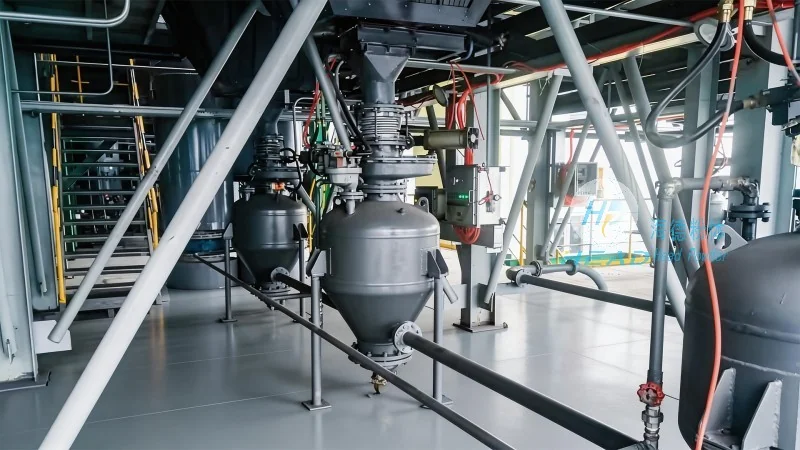
HeadPowder, a leading manufacturer in the field, offers advanced solutions for sulfur powder pneumatic conveying. With operations based in Shandong, China, the company combines years of experience and technical expertise to develop equipment that meets the demands of modern industrial applications. The company’s commitment to quality and innovation has positioned it as a trusted partner for businesses requiring reliable sulfur powder handling systems.
Key Components of Sulfur Powder Pneumatic Conveying Systems
A typical sulfur powder pneumatic conveying system consists of several key components that work in tandem to ensure effective material transport. The primary components include a material feeder, which is responsible for feeding the sulfur powder into the system at a controlled rate. This feeder is often designed to handle the specific flow characteristics of sulfur powder, preventing blockages and ensuring a steady supply of material.
The conveying line, which can be either positive or negative pressure, is another critical component. Positive pressure systems use a blower or compressor to force air and powder through the pipeline, while negative pressure systems use a vacuum to draw the material. For sulfur powder, positive pressure is commonly preferred as it offers better control over the material and reduces the risk of dust emissions. The pipeline itself is typically made of materials resistant to sulfur corrosion, such as stainless steel or special coatings, to ensure durability and longevity.
The separation and collection system is essential for handling the powder at the destination point. This component includes a receiver or hopper where the sulfur powder is deposited, and a cyclone or filter to separate any remaining air from the powder. The design of this system is crucial to prevent dust contamination and maintain the purity of the sulfur powder. Additionally, a dust collection system may be integrated to capture any airborne particles, ensuring compliance with environmental regulations and workplace safety standards.
Design Principles for Sulfur Powder Pneumatic Conveying Equipment
The design principles of sulfur powder pneumatic conveying equipment are centered on several key factors that ensure optimal performance and safety. First, the system must be designed to handle the specific physical and chemical properties of sulfur powder. Sulfur is a fine, dry powder that can be prone to static electricity, which can cause dust explosions if not properly managed. Therefore, anti-static measures are incorporated into the equipment design, such as grounding electrodes and conductive materials, to prevent static buildup.
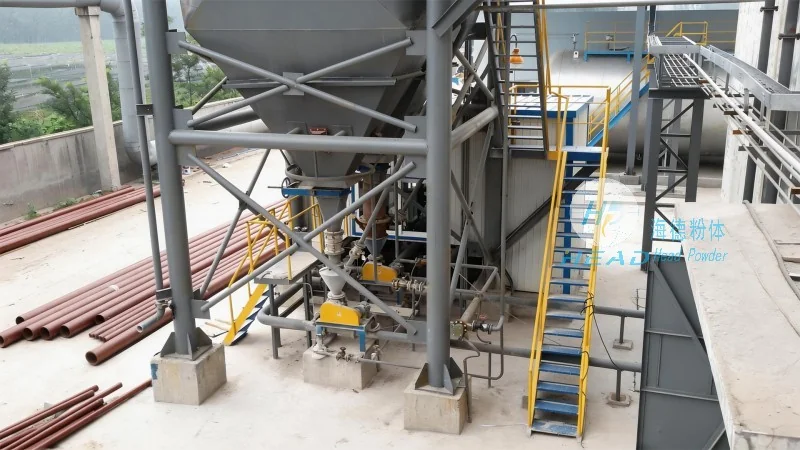
Second, the system must maintain a consistent air flow and pressure to ensure reliable transport. The air velocity in the pipeline is a critical parameter, as it must be high enough to keep the powder suspended but low enough to prevent excessive wear on the pipeline and components. The design of the system takes into account the particle size distribution of the sulfur powder, as larger particles require higher air velocities to remain in suspension. This ensures that the entire batch of powder is conveyed without segregation or clogging.
Third, the equipment must be constructed from materials that are resistant to sulfur corrosion. Sulfur can be highly corrosive, especially at elevated temperatures, and can degrade metal components over time. Therefore, materials such as stainless steel, carbon steel with protective coatings, or specialized alloys are used for the construction of the conveying line, feeders, and separation components. This not only extends the lifespan of the equipment but also ensures the quality of the sulfur powder remains uncompromised.
Fourth, the system must incorporate safety features to protect operators and the environment. This includes explosion-proof designs for the air movers and other components, as well as dust suppression systems to minimize airborne emissions. The design also considers the need for easy maintenance and cleaning, as sulfur powder can accumulate in the system and cause blockages if not properly managed. Access panels and cleaning ports are typically included to facilitate regular maintenance and ensure the system operates at peak efficiency.
Applications and Benefits of Sulfur Powder Pneumatic Conveying
Sulfur powder pneumatic conveying equipment is widely used in various industrial applications where sulfur powder needs to be transported efficiently. Some common applications include the production of sulfuric acid, where sulfur is used as a raw material, and the handling of sulfur in chemical processing plants. The equipment is also used in the mining and processing of sulfur ore, where large quantities of sulfur powder need to be moved from processing facilities to storage or further processing units.
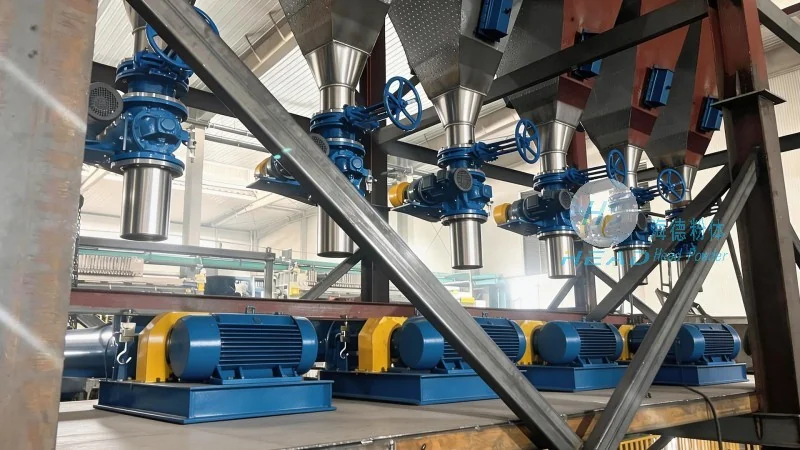
The benefits of using pneumatic conveying for sulfur powder are numerous. First, it offers a highly efficient method of transporting material compared to traditional methods such as belt conveyors or bucket elevators. Pneumatic systems can transport sulfur powder over long distances with minimal energy consumption and without the need for multiple transfer points. This reduces the overall cost of material handling and improves the throughput of the production process.
Second, pneumatic conveying provides better control over the material flow, ensuring that the sulfur powder is handled gently and without degradation. This is particularly important for sulfur powder, as it can be sensitive to mechanical stress and impact, which can cause it to clump or degrade in quality. The controlled air flow in the system minimizes these issues, maintaining the purity and quality of the sulfur powder throughout the transport process.
Third, the system is more flexible and adaptable to changing production needs. Unlike fixed conveyors, pneumatic systems can be easily reconfigured to handle different types of materials or to adjust the flow rate as production demands change. This flexibility makes the equipment suitable for a wide range of applications and allows businesses to scale their operations as needed.
Fourth, the use of pneumatic conveying reduces the risk of dust-related accidents and improves workplace safety. By containing the sulfur powder within the system and preventing it from becoming airborne, the equipment minimizes the risk of dust explosions and respiratory hazards. This not only protects the health and safety of workers but also helps businesses comply with environmental regulations and avoid costly fines.
Conclusion
Sulfur powder pneumatic conveying equipment is a vital component in modern industrial processes, providing an efficient, safe, and reliable method for transporting sulfur powder. The design principles behind such equipment are carefully considered to address the unique challenges posed by sulfur powder, including its dustiness, static electricity, and corrosive properties. Companies like Shandong HeadPowder Engineering Co., Ltd. in Shandong, China, have developed advanced solutions that incorporate these principles to deliver high-performance systems for their clients. By leveraging the benefits of pneumatic conveying, businesses can improve their material handling processes, reduce costs, and enhance workplace safety, making it an essential investment for any industry dealing with sulfur powder.