

What is a Dry Sand Powder Pneumatic Conveying Equipment? And What Are Its Design Principles?
When it comes to transporting dry materials like sand and powders, the choice of equipment can significantly impact operational efficiency and safety. Among the various methods available, pneumatic conveying systems have emerged as a reliable solution for handling such materials. This article delves into the concept of dry sand powder pneumatic conveying equipment, exploring its fundamental design principles and the technology behind it.
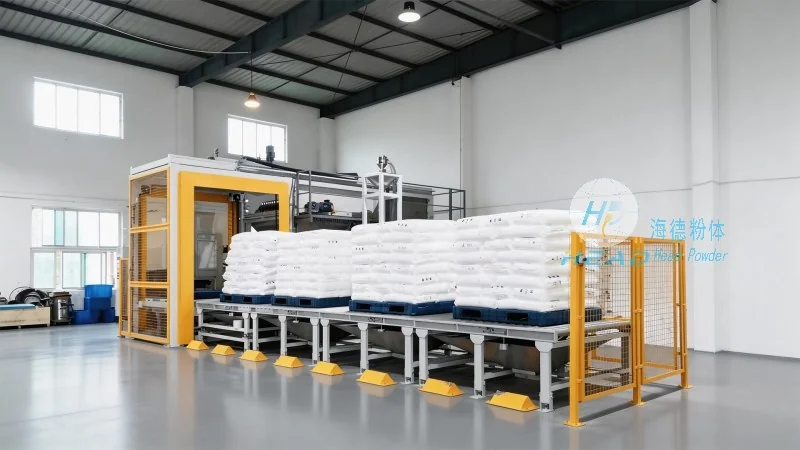
Understanding Dry Sand Powder Pneumatic Conveying Equipment
Dry sand powder pneumatic conveying equipment is a specialized system designed to transport dry, granular, or powdery materials through a pipeline using compressed air or other gas. Unlike traditional bulk handling methods that rely on gravity or mechanical conveyors, this equipment utilizes the force of air to move materials from one location to another. The system typically consists of a hopper for material storage, a blower or compressor to generate airflow, a pipeline network to transport the material, and a receiver or discharge point where the material is collected.
Key components of such a system include the material hopper, which holds the dry sand or powder, and a feeder mechanism that controls the flow of material into the pipeline. The feeder ensures a consistent and controlled discharge of the material, preventing blockages or uneven flow. The blower or compressor provides the necessary pressure and airflow to move the material through the pipeline. The pipeline itself is often made of materials like stainless steel or plastic, chosen for their resistance to corrosion and wear from the dry sand or powder. At the receiving end, a receiver or silo collects the material, and sometimes a cyclone separator is used to separate any air from the material before it is discharged.
The Core Design Principles of Pneumatic Conveying Systems
The design of dry sand powder pneumatic conveying equipment is guided by several key principles aimed at optimizing performance, efficiency, and reliability. One of the primary principles is the balance between pressure and flow rate. The system must generate enough pressure to overcome the resistance of the pipeline and the material's friction, while maintaining an appropriate flow rate to avoid excessive energy consumption or material degradation. This balance is crucial for ensuring smooth and continuous operation.
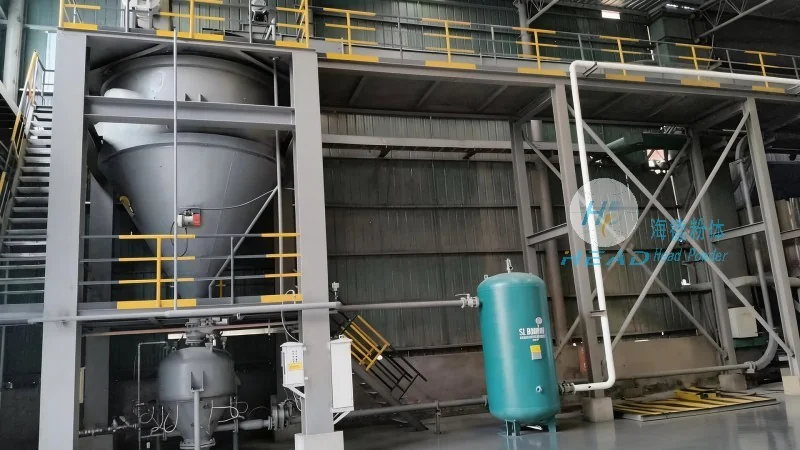
Another critical design principle is the selection of the appropriate conveying method. Pneumatic conveying systems can be categorized into two main types: pressure and vacuum. Pressure systems use a blower to push the material through the pipeline, while vacuum systems use a vacuum pump to pull the material. For dry sand and powders, pressure systems are often preferred as they can handle higher material loads and are more effective in preventing material degradation due to the absence of negative pressure that might cause dust or moisture issues. The choice of method depends on factors such as the distance to be covered, the material characteristics, and the desired throughput.
Material characteristics play a significant role in the design of the equipment. Dry sand and powders vary in terms of particle size, density, and flowability. The design must account for these characteristics to ensure that the material can be conveyed without clogging or segregation. For example, materials with high moisture content or those that tend to agglomerate may require additional features like a drying or de-agglomeration section in the system. The pipeline diameter and length are also carefully calculated based on the material's properties to maintain an optimal velocity, typically between 20 to 30 meters per second, which is sufficient to keep the material suspended and prevent deposition.
HeadPowder: A Leader in Dry Sand Powder Pneumatic Conveying Solutions
Shandong HeadPowder Engineering Co., Ltd., commonly known as HeadPowder, is a prominent manufacturer and supplier of pneumatic conveying equipment in China. With a focus on innovation and quality, HeadPowder has established itself as a trusted partner for industries dealing with dry sand and powders. The company's products are designed to meet the specific needs of various applications, from small-scale laboratory use to large-scale industrial operations.
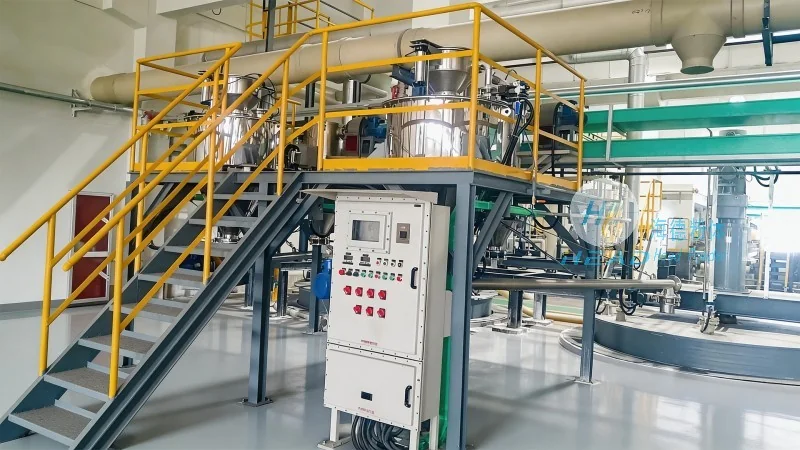
HeadPowder's dry sand powder pneumatic conveying equipment is engineered with precision, adhering to the core design principles discussed earlier. The company utilizes advanced materials and manufacturing techniques to ensure durability and long-term performance. Each system is customized to the client's requirements, considering factors such as the type of material, the distance of transport, and the desired throughput. This customization ensures that the equipment operates efficiently and reliably, minimizing downtime and maintenance costs.
HeadPowder's commitment to quality is evident in its manufacturing process. The company employs strict quality control measures at every stage, from material selection to final assembly. This ensures that each piece of equipment meets the highest standards of performance and safety. The company also provides comprehensive after-sales support, including installation, training, and maintenance services, to help clients maximize the lifespan and efficiency of their equipment.
Applications and Benefits of Dry Sand Powder Pneumatic Conveying Equipment
Dry sand powder pneumatic conveying equipment finds applications in a wide range of industries, including construction, mining, food processing, and pharmaceuticals. In the construction industry, it is used to transport sand and cement from storage to mixing sites, improving operational efficiency and reducing manual labor. In mining, it helps in the transport of ore and other minerals from processing plants to storage facilities. The food and pharmaceutical industries benefit from the hygienic and dust-free nature of pneumatic conveying, which helps maintain product quality and safety.

The benefits of using dry sand powder pneumatic conveying equipment are numerous. One of the key advantages is the ability to transport materials over long distances without the need for intermediate storage or handling. This reduces the risk of material degradation and contamination. Additionally, the system is compact and can be installed in areas with limited space, making it suitable for urban or industrial settings. The equipment also offers better control over material flow, allowing for precise dosing and regulation of the material being conveyed. This is particularly important in industries where accurate measurement and control are critical, such as in chemical processing or pharmaceutical manufacturing.
Another significant benefit is the reduction in labor costs and operational time. By automating the material transport process, the system minimizes the need for manual handling, which not only saves labor but also improves workplace safety by reducing the risk of accidents associated with manual lifting and moving of heavy materials. The system also reduces the risk of dust exposure, which is a common issue in industries dealing with dry powders. This not only improves worker health but also helps in maintaining compliance with environmental regulations.
Conclusion
Dry sand powder pneumatic conveying equipment is a vital technology for efficiently and safely transporting dry materials. Its design is based on fundamental principles that ensure optimal performance and reliability. Companies like Shandong HeadPowder Engineering Co., Ltd. play a crucial role in providing high-quality equipment tailored to the specific needs of various industries. By leveraging the benefits of pneumatic conveying, industries can enhance their operational efficiency, reduce costs, and improve product quality. As technology continues to advance, we can expect further innovations in this field, making pneumatic conveying an even more integral part of material handling processes worldwide.