

What is a Coal Slag Particulate Material Pneumatic Conveying System? And What Are Its Design Princip
Coal slag, a byproduct of coal combustion in thermal power plants, is a fine particulate material that requires efficient and reliable handling methods. The coal slag particulate material pneumatic conveying system is a specialized technology designed to transport these materials over long distances or within industrial facilities. This system utilizes air as the primary medium to move coal slag particles through a network of pipes, making it an ideal solution for applications where traditional bulk handling methods are less effective.
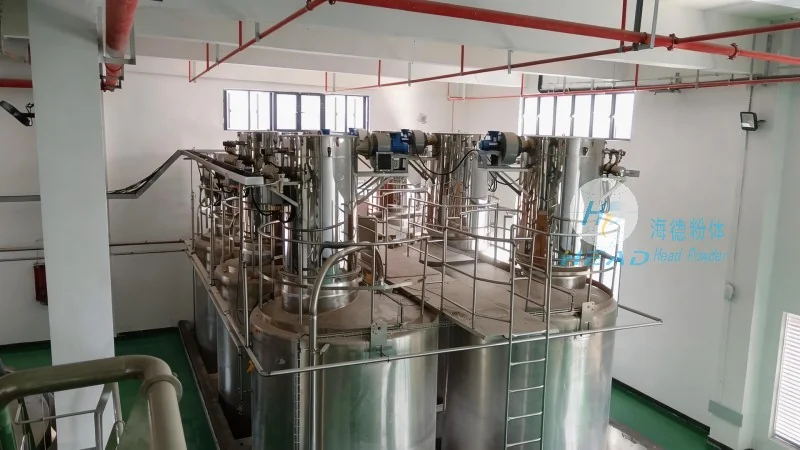
Introduction to Coal Slag Particulate Material Pneumatic Conveying Systems
The system operates on the principle of pneumatic transport, where compressed air is used to create a flow that propels coal slag particles through a sealed pipeline. Unlike mechanical conveyors, which rely on moving parts like belts or screws, pneumatic systems offer advantages such as minimal maintenance, the ability to handle abrasive materials without wear, and the capacity to transport materials in a dust-free environment. For coal slag, which can be corrosive and abrasive, this makes pneumatic conveying a preferred choice in many industrial settings.
Design Principles of Pneumatic Conveying Systems for Coal Slag Particulates
The design of a coal slag particulate material pneumatic conveying system involves several critical principles to ensure optimal performance and longevity. First, the system must account for the physical properties of coal slag, including its particle size distribution, density, and moisture content. These factors influence the required air velocity and pressure to achieve efficient transport. Engineers typically use computational fluid dynamics (CFD) and empirical formulas to determine the optimal air flow rates and pressure levels.
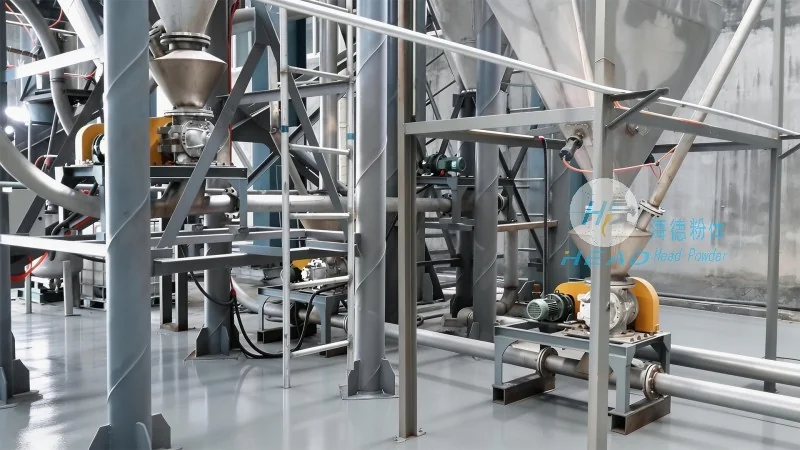
Second, the system's layout and components are carefully selected to minimize pressure drop and energy consumption. Key design considerations include the choice of air compressor type (positive displacement or centrifugal), the diameter and length of the conveying pipeline, and the placement of separation and collection equipment. The system must also incorporate safety features, such as pressure relief valves and explosion-proof components, due to the potential hazards associated with handling fine particulates and combustible materials.
Key Components and Their Functions in the System
A coal slag particulate material pneumatic conveying system consists of several interconnected components, each playing a vital role in the overall operation. The primary components include:

- Air Compressor: Provides the necessary pressure and volume of air to initiate and maintain the conveying process. For coal slag applications, high-pressure or high-volume compressors are often used to ensure consistent particle movement.
- Feeder: Delivers coal slag from the storage hopper or silo into the conveying line. Screw feeders or rotary valves are commonly used to control the flow rate and prevent blockages.
- Conveying Pipeline: A network of pipes that transports the coal slag particles. The pipeline is typically made of corrosion-resistant materials like stainless steel or PVC to withstand the abrasive nature of coal slag.
- Separation and Collection Equipment: Includes cyclones, filters, and dust collectors that separate the coal slag from the air stream and collect it in a designated storage area. This step is crucial for maintaining air quality and preventing dust emissions.
- Control System: Monitors and regulates the operation of the system, including air pressure, flow rate, and particle concentration. Modern systems often use programmable logic controllers (PLCs) to automate processes and enhance efficiency.
Application Scenarios and Benefits
The coal slag particulate material pneumatic conveying system is widely used in various industrial sectors, particularly in the power generation and construction industries. In thermal power plants, the system is employed to transport coal slag from the boiler to disposal or recycling facilities, reducing the need for manual handling and improving operational safety. In the construction industry, coal slag is used as an aggregate in concrete and asphalt, and the pneumatic conveying system ensures efficient delivery of the material to mixing plants.
The benefits of using this system include increased operational efficiency, reduced labor costs, and improved environmental performance. By eliminating the need for trucks or conveyor belts, the system minimizes dust emissions and reduces the risk of accidents. Additionally, the sealed pipeline design prevents contamination of the coal slag with external elements, ensuring the quality of the material for downstream processes.
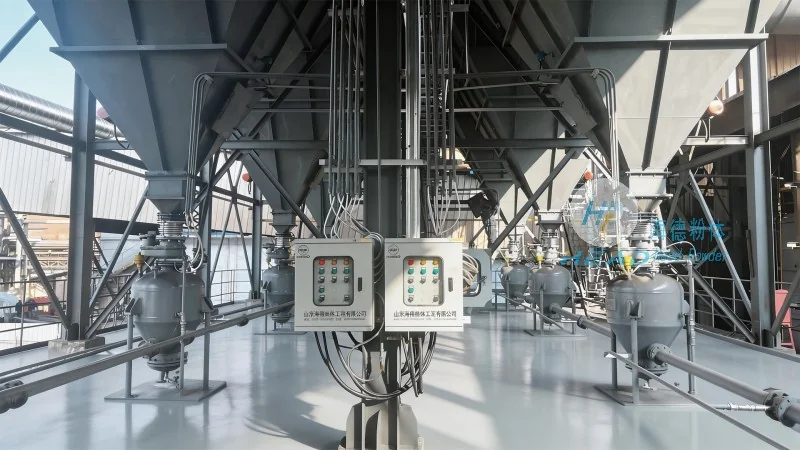
About Shandong HeadPowder Engineering Co., Ltd.
Shandong HeadPowder Engineering Co., Ltd., operating under the brand name headpowder, is a leading provider of pneumatic conveying systems and related engineering solutions. With a strong focus on innovation and customer satisfaction, the company specializes in designing and manufacturing customized systems tailored to the unique needs of coal slag and other particulate materials. Headpowder's team of experienced engineers and technicians leverages advanced technology and industry best practices to deliver high-quality, reliable systems that meet the most demanding industrial requirements.
Headquartered in Shandong, China, the company has extensive experience in the power, cement, and chemical industries, having successfully implemented numerous pneumatic conveying projects for clients worldwide. The company's commitment to quality, safety, and sustainability has earned it a reputation as a trusted partner in the field of material handling. Whether for new installations or system upgrades, headpowder offers comprehensive solutions that enhance operational efficiency and reduce environmental impact.