

What is a Cocoa Powder Material Pneumatic Conveying Equipment? What are its Design Principles?
HeadPowder, a leading engineering firm based in Shandong, China, specializes in the design and manufacturing of advanced material handling systems. This article focuses on the cocoa powder material pneumatic conveying equipment, exploring its fundamental design principles and operational mechanisms.
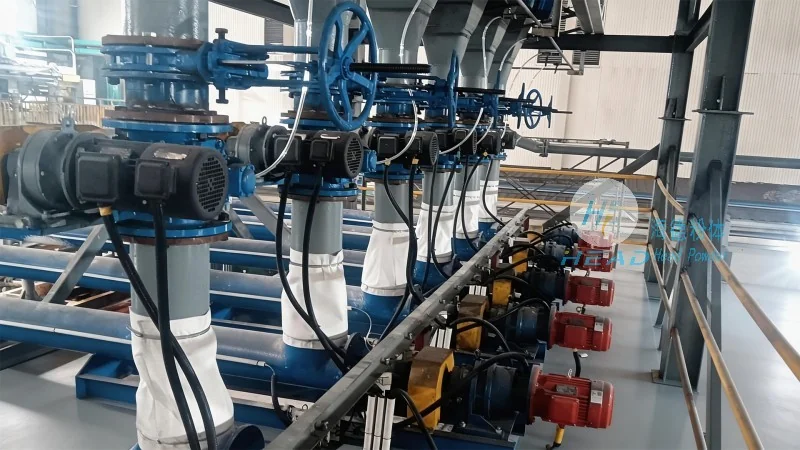
Introduction to Cocoa Powder Pneumatic Conveying Equipment
Cocoa powder, a critical ingredient in the food and beverage industry, requires efficient and hygienic transportation from storage to processing lines. Pneumatic conveying systems offer a solution by using air to transport powders like cocoa powder through a network of pipes, eliminating the need for mechanical components that could contaminate or damage the product. HeadPowder's expertise lies in crafting customized solutions tailored to the unique properties of cocoa powder, ensuring optimal performance and product integrity.
Design Principles of Pneumatic Conveying Systems
The core design principle of a cocoa powder pneumatic conveying system is the balance between air velocity and powder flow. This system typically operates under positive or negative pressure, depending on the application. Positive pressure systems push the material through the pipeline using a blower, while negative pressure systems draw the material using a vacuum. For cocoa powder, which is fine and can be prone to caking, the design must consider factors such as particle size, moisture content, and flowability to prevent blockages and ensure smooth transport.
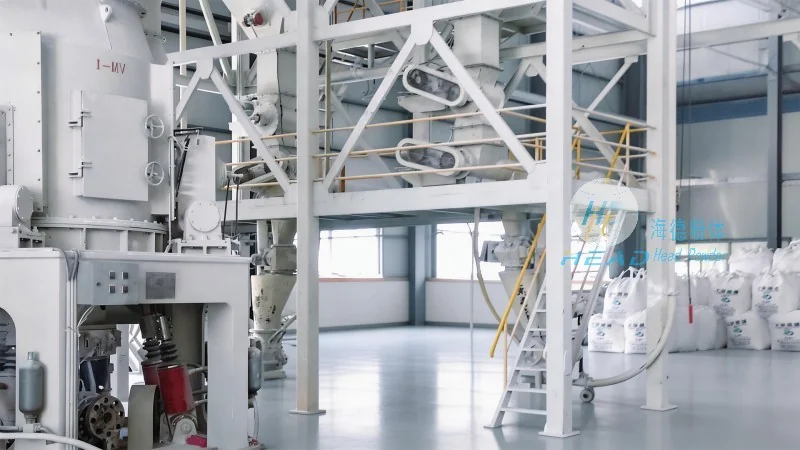
Key Components and Their Functions
HeadPowder's equipment incorporates several critical components that work in tandem to achieve efficient conveying. The primary components include a feeding device, a conveying line, a separation system, and a control unit. The feeding device, often a rotary valve or a hopper with a metering mechanism, ensures a consistent and controlled feed of cocoa powder into the system. The conveying line, made from materials like stainless steel or food-grade plastic, is designed to withstand the abrasive nature of cocoa powder and maintain hygiene standards. The separation system, such as cyclones or filters, separates the powder from the air at the end of the line, preventing dust emissions and ensuring the powder is collected in a clean container. The control unit monitors parameters like pressure, flow rate, and temperature, allowing operators to adjust the system for optimal performance.
Advantages of Using Pneumatic Conveying for Cocoa Powder
Implementing a pneumatic conveying system for cocoa powder offers several advantages over traditional methods. Firstly, it provides a hygienic and dust-free environment, which is crucial for food-grade products. The enclosed system prevents contamination from external sources and reduces the risk of product degradation. Secondly, it enhances operational efficiency by automating the material transport process, reducing labor costs and minimizing downtime. Thirdly, the system can be customized to handle varying production volumes, making it suitable for both small-scale and large-scale operations. Additionally, the use of air as the conveying medium allows for flexible layout designs, as the pipeline can be routed around obstacles without the need for complex machinery.
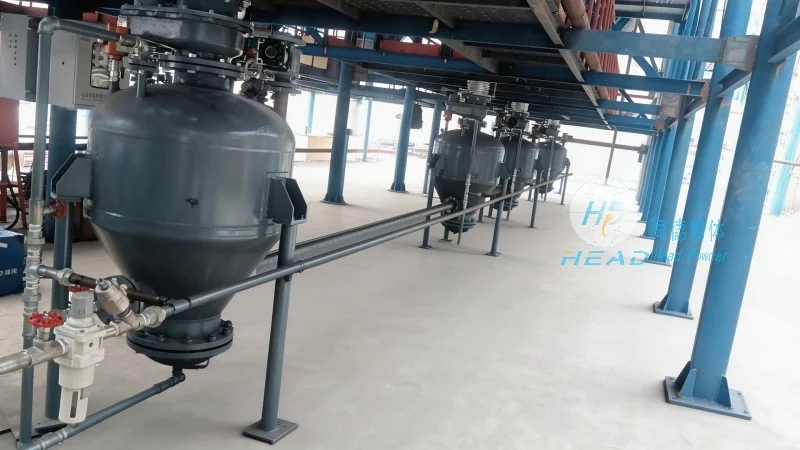
Application Scenarios and Customization
HeadPowder's cocoa powder pneumatic conveying equipment is versatile and can be applied in various stages of the cocoa processing industry. In chocolate manufacturing, the system can transport cocoa powder from storage silos to mixing and grinding machines. In confectionery production, it can deliver cocoa powder to flavoring and coating lines. The equipment can also be integrated into quality control processes, where the powder is conveyed to testing labs for moisture and particle size analysis. HeadPowder offers customization options to meet specific customer requirements, such as varying pipeline lengths, different material handling capacities, and integration with existing production lines. This flexibility ensures that the system aligns with the customer's operational needs and enhances overall productivity.
Conclusion and Future Considerations
In conclusion, the cocoa powder material pneumatic conveying equipment designed by HeadPowder is a sophisticated solution that addresses the unique challenges of transporting fine, hygienic powders. By adhering to rigorous design principles and incorporating advanced components, the system ensures efficient, clean, and reliable transport of cocoa powder. As the food industry continues to emphasize hygiene and efficiency, such pneumatic conveying systems will remain a critical component in modern processing facilities. HeadPowder's commitment to innovation and customer-centric solutions positions them as a trusted partner for businesses seeking to optimize their material handling processes.