

Dry Powder Material Pneumatic Conveying Equipment: Understanding Its Function and Design Principles
When it comes to efficiently transporting dry powder materials in industrial settings, pneumatic conveying systems offer a reliable and effective solution. These systems utilize air or gas to move powders from one location to another, eliminating the need for mechanical components like belts or buckets. At Shandong HeadPowder Engineering Co., Ltd., we specialize in designing and manufacturing advanced pneumatic conveying equipment tailored to meet the diverse needs of various industries.
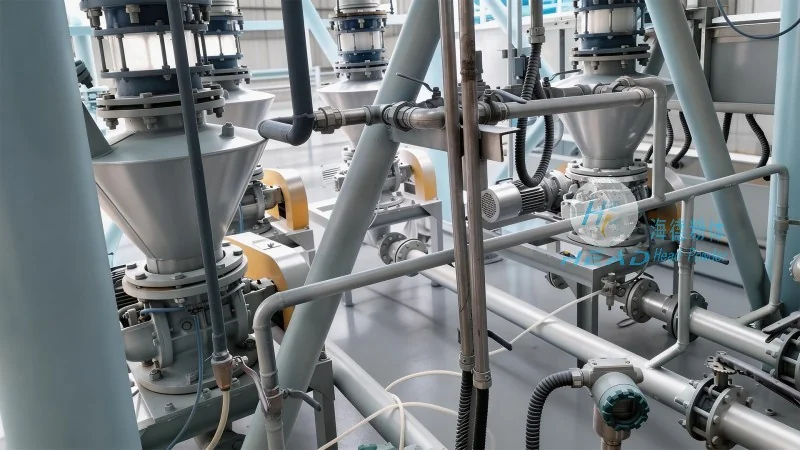
What Is Dry Powder Material Pneumatic Conveying Equipment?
Dry powder material pneumatic conveying equipment is a type of industrial system that enables the transport of dry powders through a pipeline using compressed air or other gases. Unlike traditional bulk material handling methods, such as belt conveyors or screw conveyors, pneumatic conveying systems operate by creating a flow of air that carries the powder particles through the pipeline. This method is particularly advantageous for handling fine or abrasive powders, as it minimizes product degradation and reduces the risk of contamination. The equipment typically consists of a blower or compressor, a hopper for material storage, a pipeline network, and a receiver or discharge point. The entire system is designed to maintain a consistent flow of material while ensuring energy efficiency and operational safety.
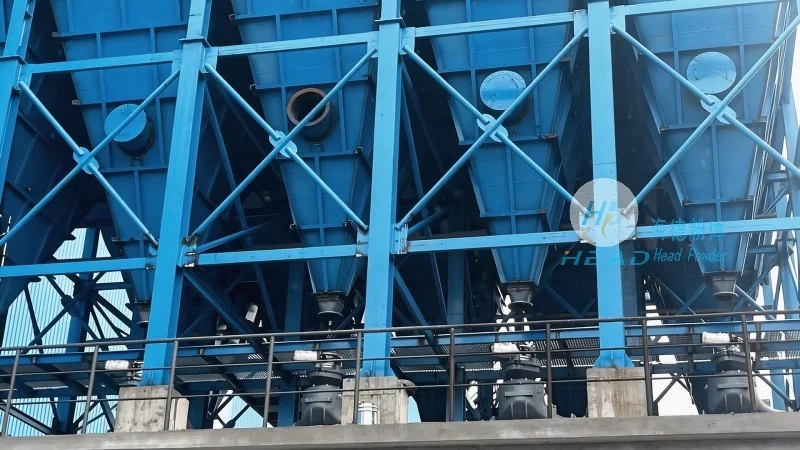
Key Design Principles of Pneumatic Conveying Systems
The design of pneumatic conveying equipment for dry powders is governed by several critical principles that ensure optimal performance and reliability. One of the primary considerations is the selection of the appropriate conveying velocity, which determines the air velocity required to transport the powder particles. The velocity must be sufficient to overcome the gravitational forces acting on the particles and maintain a stable flow within the pipeline. Another crucial factor is the system's pressure and flow rate, which are directly related to the blower or compressor's capacity. Engineers at Shandong HeadPowder Engineering Co., Ltd. carefully calculate these parameters based on the material's properties, such as particle size, density, and moisture content, as well as the distance and elevation changes between the source and destination points.
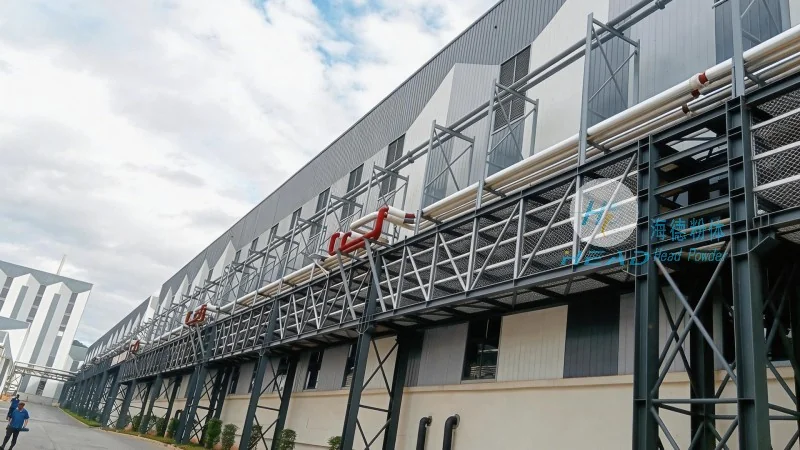
Components and Working Mechanism
A typical pneumatic conveying system comprises several key components that work in harmony to achieve efficient material transport. The blower or compressor generates the necessary air pressure to move the powder. The hopper, often equipped with a feeder, stores the dry powder and feeds it into the pipeline at a controlled rate. The pipeline network, usually made of stainless steel or other corrosion-resistant materials, ensures the material is transported without blockages or degradation. The system may include features like cyclones or filters to separate the powder from the air at the discharge point, allowing for clean air recirculation or safe powder collection. The receiver or discharge hopper collects the material at the end of the pipeline, completing the conveying process. Each component is designed to withstand the specific demands of the material being transported, ensuring long-term durability and minimal maintenance.

Applications and Benefits
Dry powder material pneumatic conveying equipment finds wide applications across various industries, including food processing, pharmaceuticals, chemicals, and minerals. The primary benefits of using such systems include improved product quality, as the material is handled gently and without direct contact with mechanical parts, reducing the risk of contamination or degradation. Additionally, pneumatic conveying systems offer high flexibility in terms of layout and integration with existing production lines, allowing for easy expansion or modification. The ability to transport powders over long distances or through complex routes makes these systems ideal for large-scale industrial operations. At Shandong HeadPowder Engineering Co., Ltd., our equipment is engineered to deliver consistent performance, low operational costs, and enhanced safety, making it a preferred choice for businesses seeking reliable bulk material handling solutions.