

What is a Sulfur Material Pneumatic Conveying System? And What Are Its Design Principles?
When it comes to handling and transporting sulfur materials efficiently, a sulfur material pneumatic conveying system emerges as a critical solution in industrial operations. This technology leverages the power of air to move bulk materials like sulfur from one location to another, offering a flexible and often more cost-effective alternative to traditional mechanical conveying methods. For industries dealing with sulfur, understanding the fundamentals of such a system and its underlying design principles is essential for optimizing material handling processes and ensuring operational efficiency.
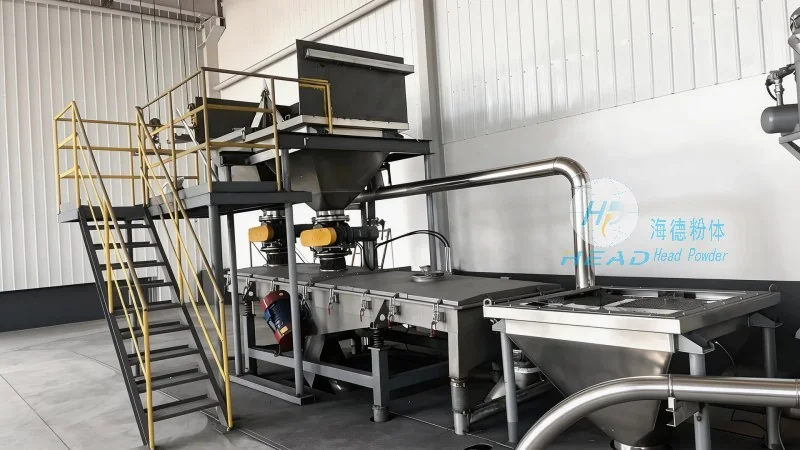
Understanding the Sulfur Material Pneumatic Conveying System
A sulfur material pneumatic conveying system is a specialized setup designed to transport sulfur, a common industrial material, through a pipeline using compressed air or other gas as the conveying medium. Unlike conventional systems that rely on mechanical components like belts or buckets, pneumatic conveying systems use the force of air to propel the material forward. This method is particularly advantageous for handling sulfur due to its properties, such as being a solid that can be easily suspended in air and transported over long distances without the need for complex machinery.
The Core Components of a Sulfur Pneumatic Conveying System
At the heart of any sulfur material pneumatic conveying system are several key components that work in tandem to ensure smooth operation. The primary components include the material feed hopper, which holds the sulfur and feeds it into the system; the conveying line, typically made of durable materials like stainless steel or special polymers to resist corrosion from sulfur compounds; the air compressor or blower, which generates the necessary pressure to move the material; and the control system, which regulates the flow of air and material to maintain optimal performance. Additionally, the system may include components like cyclones or filters to separate the sulfur from the air at the receiving end, ensuring that the material is delivered in a clean and usable state.
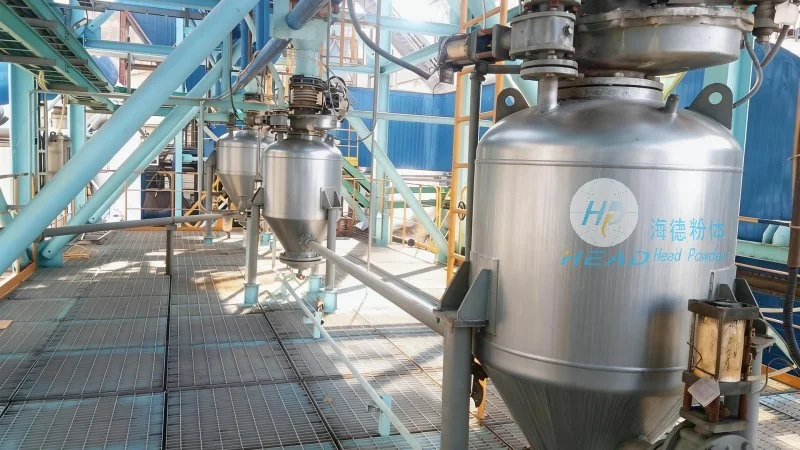
Design Principles for Sulfur Material Pneumatic Conveying
The design of a sulfur material pneumatic conveying system is governed by several critical principles aimed at maximizing efficiency, reliability, and safety. One of the fundamental principles is the selection of appropriate air velocity and pressure. The air velocity must be high enough to suspend the sulfur particles in the air stream but not so high as to cause excessive wear on the system components or lead to material degradation. The pressure levels are carefully calculated based on the distance the material needs to travel and the resistance in the pipeline. Another key principle is the consideration of material properties. Sulfur, being a corrosive substance, requires materials that can withstand its chemical effects, such as stainless steel or specialized coatings for the conveying line and hopper. The system design also takes into account the flow rate and capacity needed to meet the operational demands of the facility, ensuring that the conveying line can handle the required volume of sulfur without bottlenecks or inefficiencies.
Advantages of Using a Sulfur Pneumatic Conveying System
Implementing a sulfur material pneumatic conveying system offers numerous advantages over traditional conveying methods. One of the most significant benefits is the reduction in labor costs and operational complexity. Since the system relies on air to move the material, there is less need for manual handling or maintenance of mechanical parts, leading to lower downtime and higher productivity. Additionally, pneumatic conveying systems can transport sulfur over longer distances with minimal loss of material, making them ideal for large-scale industrial applications. The flexibility of the system allows for easy integration into existing production lines, and the ability to handle varying sulfur feed rates makes it adaptable to changing production needs. Furthermore, the enclosed nature of the system helps in maintaining a clean and safe working environment by preventing dust and sulfur particles from escaping into the air, reducing the risk of respiratory issues or environmental contamination.
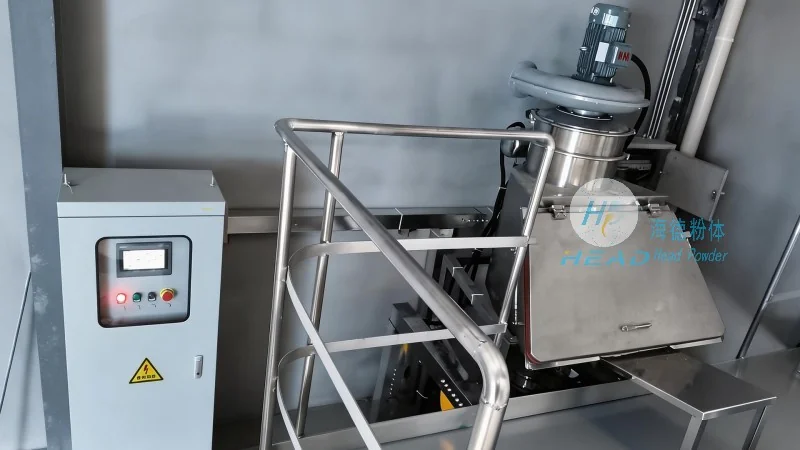
Applications and Industries Benefiting from Sulfur Pneumatic Conveying
Sulfur material pneumatic conveying systems are widely used across various industries that handle sulfur as a raw material or byproduct. In the chemical industry, these systems are crucial for transporting sulfur from storage facilities to processing units, where it is used in the production of sulfuric acid or other chemical products. The petrochemical sector also utilizes such systems to move sulfur from refining processes to storage or further processing. Additionally, in the mining and mineral processing industries, sulfur extracted from ore is often transported using pneumatic conveying systems to processing plants. The agricultural sector may also benefit from these systems when handling sulfur-based fertilizers or pesticides. Regardless of the industry, the consistent and reliable performance of sulfur pneumatic conveying systems ensures that material handling operations run smoothly, contributing to overall operational efficiency and cost savings.
Conclusion and Company Overview
In conclusion, a sulfur material pneumatic conveying system is a sophisticated and efficient solution for transporting sulfur in industrial settings. By leveraging the principles of pneumatic conveying, these systems offer advantages such as reduced labor costs, improved material handling over long distances, and enhanced safety. The design of such systems, considering factors like air velocity, material properties, and system components, is critical to achieving optimal performance. For industries dealing with sulfur, investing in a well-designed pneumatic conveying system can lead to significant operational benefits and cost savings. Shandong HeadPowder Engineering Co., Ltd., a leading provider in this field, specializes in designing and manufacturing customized sulfur material pneumatic conveying systems tailored to the specific needs of their clients. With a focus on quality, reliability, and innovation, HeadPowder has established itself as a trusted partner in the industrial material handling sector, serving clients in China and beyond with cutting-edge solutions that meet the highest standards of performance and safety.