

What is a Sweet Potato Material Pneumatic Conveying Line? And What Are Its Design Principles?
Welcome to Shandong HeadPowder Engineering Co., Ltd., a leading manufacturer specializing in industrial conveying solutions. This article explores the concept of a sweet potato material pneumatic conveying line and delves into its fundamental design principles, offering insights into how such systems efficiently handle sweet potato processing materials.
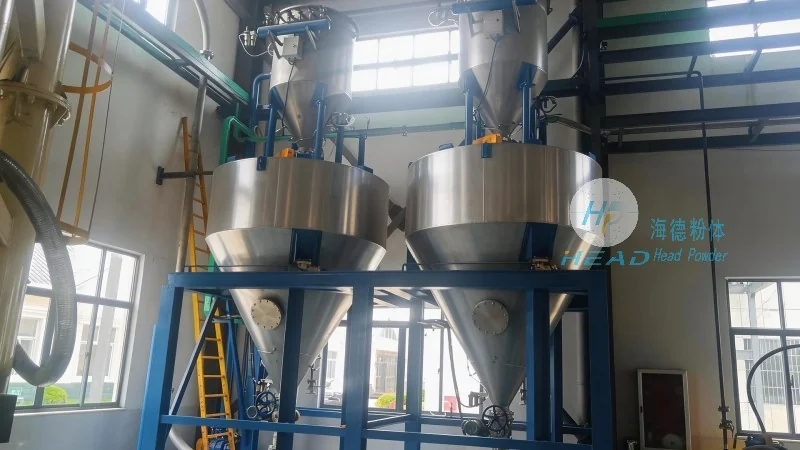
Understanding Sweet Potato Material Pneumatic Conveying Lines
A sweet potato material pneumatic conveying line is a specialized system designed to transport sweet potato-derived materials, such as dried sweet potato flakes, starch, or other processed products, through a pipeline using air or gas as the conveying medium. This technology is widely used in the food processing industry, particularly in sweet potato processing facilities, to move bulk materials from one processing stage to another with high efficiency and minimal contamination.
Key Components of a Pneumatic Conveying System
The design of a sweet potato material pneumatic conveying line typically involves several critical components that work in tandem to ensure smooth material transport. These components include the material hopper, which holds the sweet potato material; the air compressor or blower, which generates the air pressure needed to move the material; the conveying pipeline, which transports the material and air mixture; and the discharge hopper or collection bin, where the material is deposited at the end of the line.
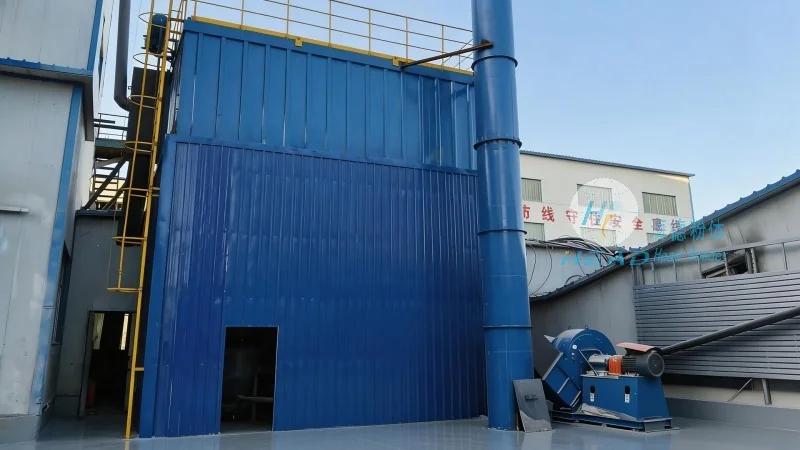
Design Principles for Efficient Material Handling
The design principles of a sweet potato material pneumatic conveying line are centered on maximizing efficiency, minimizing energy consumption, and ensuring the integrity of the processed material. Key considerations include the selection of appropriate air velocity to prevent material degradation or blockages, the use of suitable pipeline diameters and materials to accommodate the specific characteristics of sweet potato products, and the incorporation of features like pulse-jet or rotary airlock valves to maintain consistent flow and prevent material buildup.
Advantages of Pneumatic Conveying for Sweet Potato Processing
Implementing a pneumatic conveying line for sweet potato material handling offers several advantages over traditional methods like belt conveyors or bucket elevators. These benefits include reduced labor costs due to automated material transport, improved hygiene and sanitation by minimizing direct human contact with the product, and enhanced flexibility in system layout to adapt to varying processing needs. Additionally, pneumatic conveying systems can handle a wide range of sweet potato products, from raw sweet potatoes to finished starch or flakes, making them versatile solutions for different stages of processing.
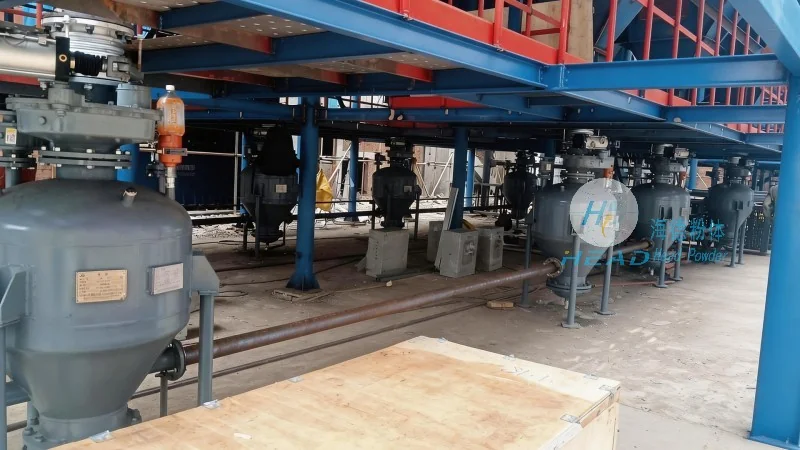
Customization and Application in Sweet Potato Processing Facilities
Shandong HeadPowder Engineering Co., Ltd. specializes in designing and manufacturing customized pneumatic conveying lines tailored to the specific requirements of sweet potato processing facilities. Our team of engineers works closely with clients to understand their processing workflows, material characteristics, and production volumes, ensuring that the final system meets all operational and quality standards. Whether for small-scale sweet potato processing operations or large industrial facilities, our solutions are designed to deliver reliable, efficient, and cost-effective material handling solutions.
Conclusion
In summary, a sweet potato material pneumatic conveying line is a sophisticated system that leverages air pressure to transport sweet potato-derived materials efficiently and hygienically. By understanding its key components and design principles, processing facilities can optimize their material handling processes, improve productivity, and maintain the quality of their sweet potato products. At Shandong HeadPowder Engineering Co., Ltd., we are committed to providing high-quality, customized pneumatic conveying solutions that meet the unique needs of the sweet potato processing industry.