

What is a Monosodium Glutamate Powder Material Pneumatic Conveying Line? And What Are Its Design Pri
For industries dealing with fine powders like monosodium glutamate (MSG), efficient and reliable material handling is crucial. A pneumatic conveying line is a system designed to transport such powders through a pipeline using air or other gases. This article explores the concept of a monosodium glutamate powder material pneumatic conveying line and delves into its design principles, highlighting the technical aspects and practical applications. Shandong HeadPowder Engineering Co., Ltd., a leading manufacturer of material handling systems, specializes in designing and supplying pneumatic conveying lines tailored to the needs of the food and beverage industry.
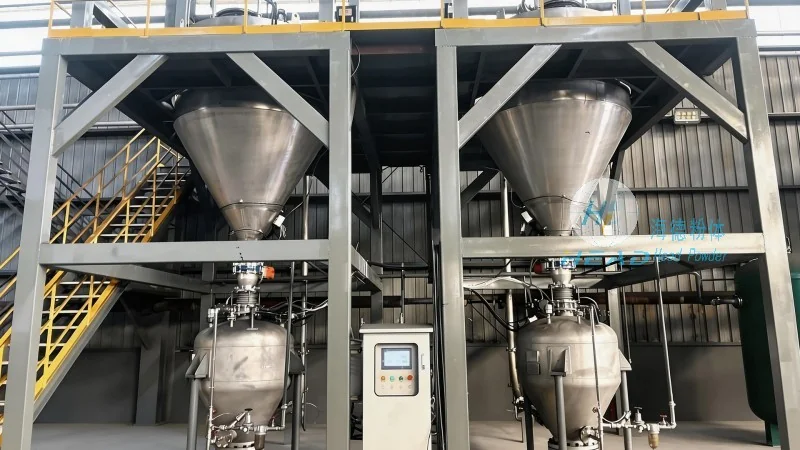
Understanding Pneumatic Conveying Systems
Pneumatic conveying systems are widely used in various industries for transporting bulk materials, including powders, granules, and small particles. The core principle involves creating a flow of air or gas that moves the material through a pipeline. There are two main types: dilute-phase and dense-phase conveying. Dilute-phase systems use higher air velocities to suspend the material, while dense-phase systems use lower velocities to push the material in a plug-like flow. For monosodium glutamate, which is a fine powder, a dilute-phase system is often preferred due to its ability to handle high material throughput with minimal pressure drops.
Key Components of a Monosodium Glutamate Powder Pneumatic Conveying Line
A typical monosodium glutamate powder pneumatic conveying line consists of several key components that work together to ensure efficient material transport. These components include:
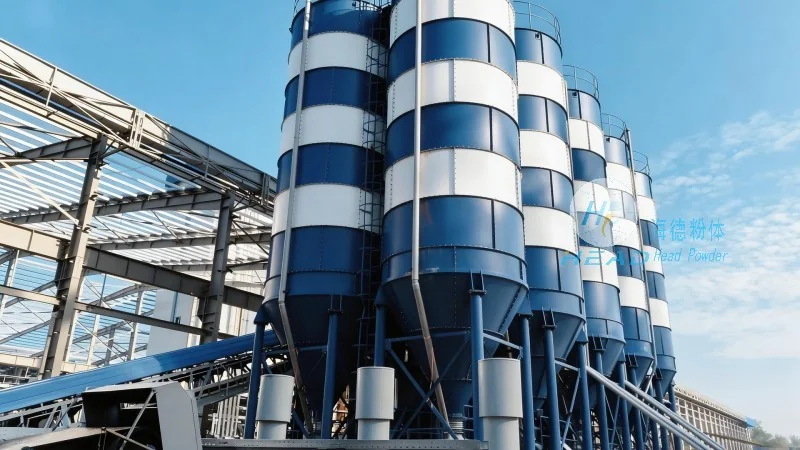
- Feeder: The feeder is responsible for feeding the monosodium glutamate powder into the conveying line at a controlled rate. It ensures a consistent flow of material, preventing blockages and maintaining system efficiency.
- Pneumatic Conveying Unit: This is the heart of the system, where air or gas is introduced to transport the powder. The unit includes a blower or compressor that generates the necessary pressure and flow rate to move the material through the pipeline.
- Pipeline: The pipeline is the conduit that carries the powder and air mixture from the feeder to the destination point. It is typically made of materials like stainless steel or plastic, chosen for their resistance to corrosion and compatibility with the powder.
- Separation and Collection Equipment: At the end of the conveying line, the powder is separated from the air using a cyclone separator or a filter. The collected powder is then stored in a silo or other storage vessel.
- Control System: The control system monitors and regulates the operation of the pneumatic conveying line, ensuring optimal performance and preventing issues such as overpressure or material buildup.
Design Principles for Efficient Monosodium Glutamate Powder Conveying
The design of a monosodium glutamate powder pneumatic conveying line is critical to its performance and reliability. Several key principles guide the design process:
1. Material Properties Consideration: Monosodium glutamate is a fine powder with specific properties such as particle size, density, and moisture content. These properties affect the conveying velocity and pressure drop. The design must account for these characteristics to ensure the system operates efficiently without excessive energy consumption or material degradation.
2. System Sizing and Capacity: The conveying line must be sized to handle the required material throughput. This involves calculating the air velocity, pipeline diameter, and blower capacity based on the material's properties and the desired conveying distance. Proper sizing prevents pressure losses and ensures the material is transported at the desired speed.
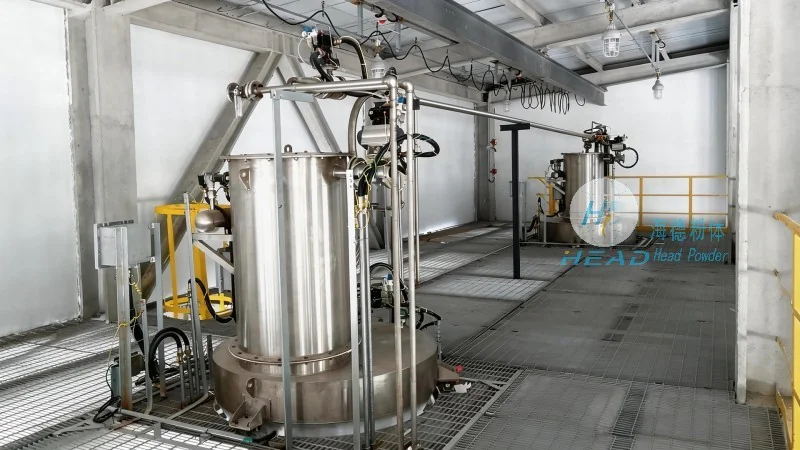
3. Pressure Drop Management: Pressure drop is a critical factor in pneumatic conveying systems. It is the reduction in pressure as the material and air mixture moves through the pipeline. Excessive pressure drop can lead to reduced conveying efficiency and increased energy costs. Designers use empirical formulas and computational fluid dynamics (CFD) to optimize the pipeline design and minimize pressure drop.
4. Material Handling and Prevention of Blockages: Fine powders like monosodium glutamate are prone to bridging and caking, which can cause blockages in the conveying line. The design incorporates features such as agitators, vibrators, and proper feeder design to prevent these issues and ensure smooth material flow.
5. Safety and Environmental Considerations: Pneumatic conveying systems must adhere to safety standards to prevent dust explosions and ensure operator safety. The design includes explosion-proof components and dust collection systems to minimize environmental impact and comply with regulations.
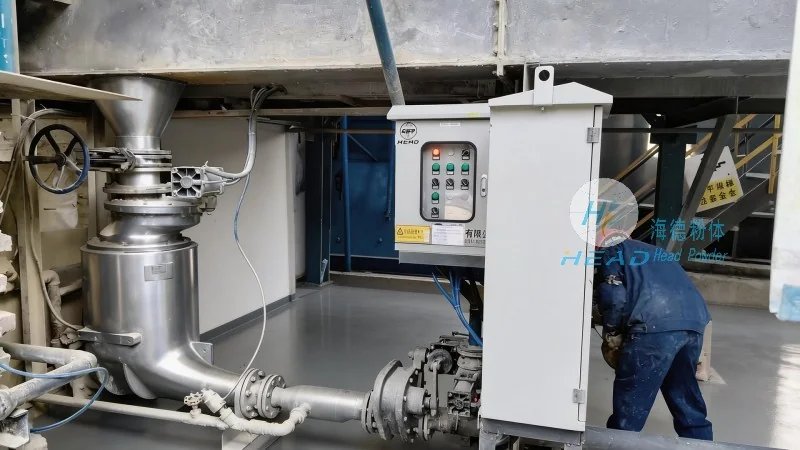
Applications and Benefits of Monosodium Glutamate Powder Pneumatic Conveying Lines
Monosodium glutamate powder pneumatic conveying lines are widely used in the food and beverage industry, particularly in the production of MSG. They offer several benefits over traditional methods like bucket elevators or belt conveyors:
- Improved Hygiene and Sanitation: Pneumatic conveying systems are enclosed, reducing the risk of contamination and making them suitable for food-grade applications.
- Reduced Labor Costs: Automated systems minimize the need for manual labor, leading to lower operational costs.
- Space Efficiency: The enclosed nature of the system allows for compact installation, saving valuable floor space in production facilities.
- Energy Efficiency: Modern pneumatic conveying systems are designed to be energy-efficient, reducing operational costs and environmental impact.
- Flexibility and Scalability: The system can be easily scaled up or down to accommodate changes in production volume, making it suitable for both small and large-scale operations.
Conclusion
A monosodium glutamate powder material pneumatic conveying line is a sophisticated system designed to efficiently transport fine powders like monosodium glutamate. By understanding the design principles and key components, industries can optimize their material handling processes, improve efficiency, and reduce costs. The system's ability to handle high material throughput while maintaining hygiene and safety makes it an essential part of modern food processing operations.