

What is an industrial alkaline material pneumatic conveying line? What are its design principles?
Industrial alkaline material pneumatic conveying lines are specialized systems designed to transport bulk alkaline materials efficiently and safely within industrial settings. These systems are critical for industries that handle caustic or alkaline substances, such as sodium hydroxide, calcium hydroxide, or other chemical compounds used in manufacturing, processing, and production processes.
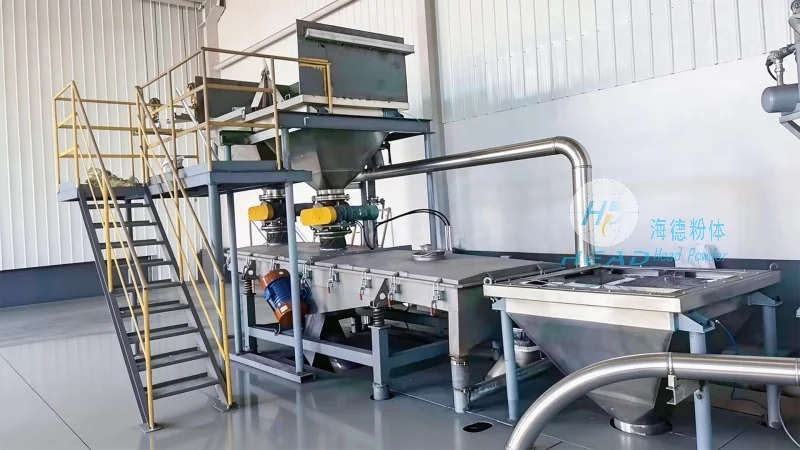
HeadPowder, a leading engineering company based in Shandong, China, specializes in the design, manufacturing, and installation of advanced pneumatic conveying solutions tailored for industrial applications. With years of experience in the field, HeadPowder has developed a reputation for delivering high-quality, reliable systems that meet the unique demands of alkaline material handling.
Understanding Industrial Alkaline Material Pneumatic Conveying Lines
At its core, a pneumatic conveying line uses air or gas to transport bulk materials through a pipeline system. For industrial alkaline materials, this technology is particularly advantageous due to the need for controlled, dust-free, and safe handling of potentially hazardous substances. The system typically consists of a hopper for material storage, a feeder to control the flow, a conveyor pipe, and a receiver for the discharged material. Compressed air or gas is introduced to create a flow that moves the material through the pipeline, ensuring minimal contact with the environment and reducing the risk of contamination or exposure.
The Design Principles Behind Industrial Alkaline Material Pneumatic Conveying Systems
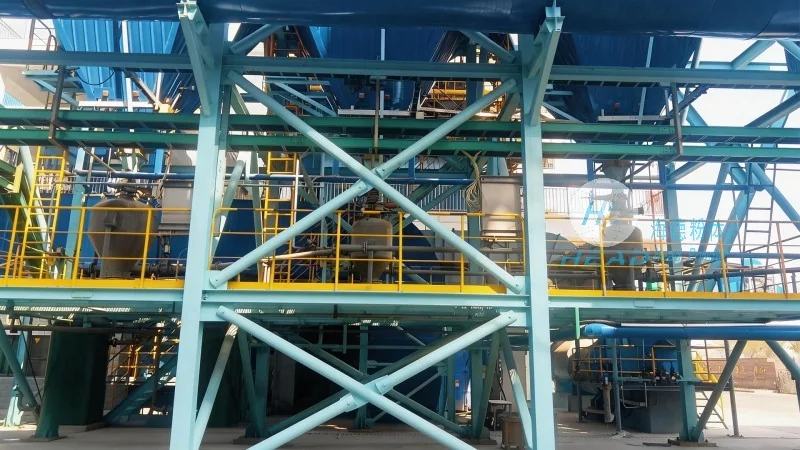
The design of an industrial alkaline material pneumatic conveying line involves several key principles that ensure optimal performance and safety. First, the system must account for the physical and chemical properties of the alkaline material, including its particle size, density, moisture content, and reactivity. These factors influence the selection of the conveying method (e.g., dilute phase or dense phase), the pressure required, and the pipe diameter. For example, fine powders like sodium hydroxide may require a dilute phase system with higher air velocity to prevent clogging, while larger chunks might need a dense phase system with lower velocity to maintain material integrity.
Second, the system design considers the distance and elevation changes between the material source and the destination. The pressure drop along the pipeline must be calculated to ensure sufficient air pressure is available to move the material to the desired location. This involves selecting appropriate pipe materials (often corrosion-resistant, such as stainless steel or special alloys) to withstand the chemical properties of the alkaline material and prevent degradation over time. Additionally, the system incorporates safety features, such as pressure relief valves, dust collection systems, and explosion-proof components, to protect both the equipment and personnel from potential hazards associated with alkaline materials.
Key Components and Operational Mechanism
The operational mechanism of a pneumatic conveying line for industrial alkaline materials begins with material loading into the hopper. The feeder then regulates the flow rate, ensuring a consistent supply of material into the conveyor pipe. Compressed air is introduced at the inlet of the pipe, creating a flow that lifts and transports the material particles. The air and material mixture travels through the pipeline to the receiver, where the material is separated from the air and collected. The air is then filtered and either recycled or vented, depending on the system design. This process is continuous and can handle high volumes of material, making it ideal for industrial applications where large quantities of alkaline substances need to be moved efficiently.
Advantages of Industrial Alkaline Material Pneumatic Conveying Lines
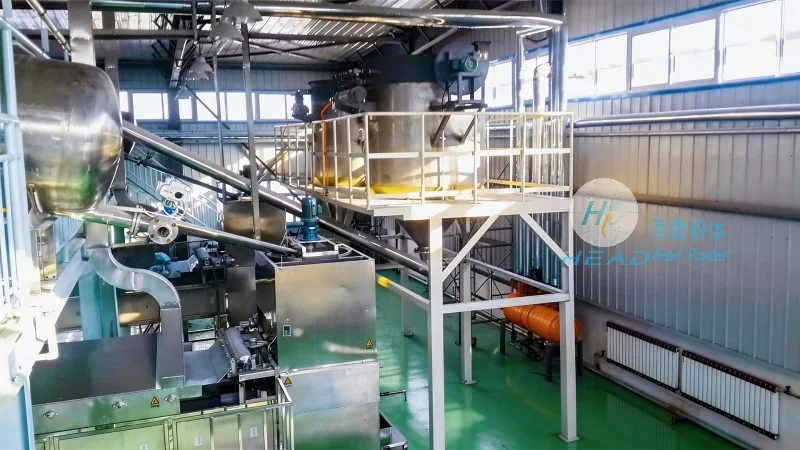
There are several key advantages to using pneumatic conveying systems for industrial alkaline materials. First, these systems offer high efficiency in material transport, with the ability to move large volumes of material over long distances with minimal labor. The enclosed pipeline system prevents dust and particles from escaping into the environment, reducing the risk of contamination and improving workplace safety. Additionally, the system is highly flexible, allowing for changes in material flow rates or destinations without major modifications to the infrastructure. The use of compressed air also provides a clean and hygienic environment, which is particularly important for materials that may be used in food or pharmaceutical applications, even though industrial alkaline materials are typically used in chemical manufacturing.
Another advantage is the reduced risk of material degradation or caking. Unlike mechanical conveying systems, which may cause friction and heat buildup, pneumatic conveying uses air to move the material, minimizing physical stress and maintaining the material's quality. This is especially important for alkaline materials that are sensitive to moisture or temperature changes, as the enclosed system helps to control these variables. Furthermore, the system is relatively easy to maintain and repair, with components that are accessible and replaceable, reducing downtime and operational costs.
Applications and Practical Implementation
Industrial alkaline material pneumatic conveying lines are widely used in various industries that handle bulk alkaline substances. For example, in the chemical industry, these systems are used to transport sodium hydroxide from storage tanks to reactors or processing units. In the paper and pulp industry, they may be used to move calcium hydroxide or other alkaline compounds used in the bleaching process. The food industry also benefits from these systems when handling alkaline ingredients, such as sodium bicarbonate or calcium carbonate, where hygiene and safety are paramount. In each of these applications, the system is designed to meet the specific requirements of the material, including its chemical properties, particle size, and the distance it needs to be transported.
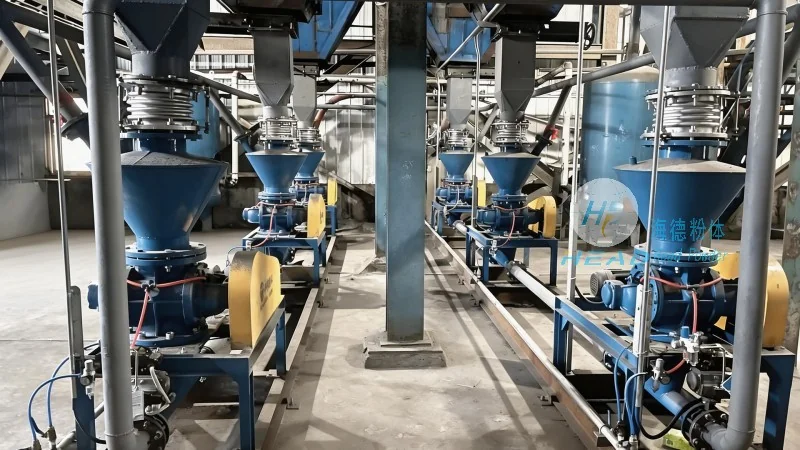
HeadPowder's expertise in designing and implementing these systems ensures that clients receive solutions that are tailored to their unique needs. By considering factors such as material characteristics, operational conditions, and safety regulations, HeadPowder's engineers develop systems that are not only efficient but also compliant with industry standards and regulations. This approach has helped the company build a strong reputation for delivering reliable and high-performance pneumatic conveying solutions for industrial alkaline materials.
Conclusion: The Importance of Specialized Pneumatic Conveying Systems
In conclusion, industrial alkaline material pneumatic conveying lines are essential equipment for industries that handle bulk alkaline substances. These systems combine advanced engineering principles with robust design to provide efficient, safe, and reliable material transport. By understanding the design principles and operational mechanisms of these systems, industries can optimize their material handling processes, reduce costs, and improve overall productivity. With companies like HeadPowder offering specialized solutions, businesses can leverage the benefits of pneumatic conveying to enhance their operations and meet the demands of modern industrial production.