

What is a Copper Concentrate Powder Material Pneumatic Conveying Machine? What Are Its Design Princi
When it comes to the efficient and reliable transport of copper concentrate powder, the pneumatic conveying machine has emerged as a crucial piece of equipment in the mining and processing industry. This article aims to explore what a copper concentrate powder material pneumatic conveying machine is and delve into its fundamental design principles, providing a comprehensive understanding of this essential technology.
Understanding the Copper Concentrate Powder Material Pneumatic Conveying Machine
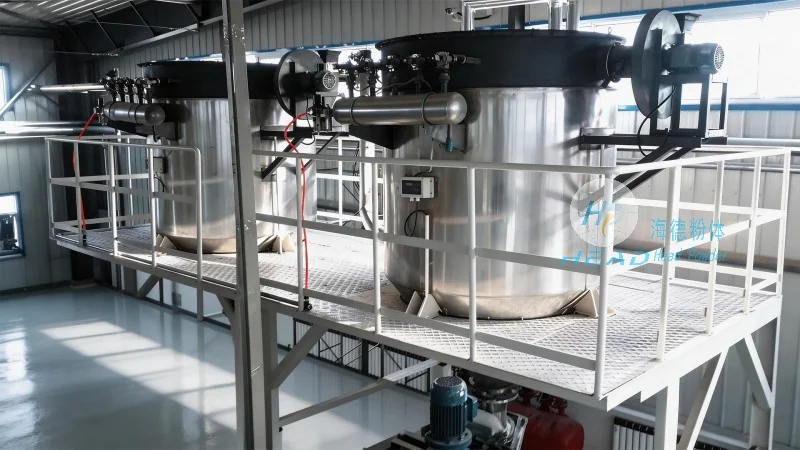
A copper concentrate powder material pneumatic conveying machine is a specialized system designed to transport dry powder materials, such as copper concentrate, through a pipeline using air or gas as the conveying medium. Unlike traditional mechanical conveying methods like belt conveyors or screw conveyors, pneumatic conveying offers several advantages, including the ability to handle fine powders, prevent product contamination, and achieve long-distance transport with minimal maintenance requirements. The system typically consists of a hopper for material storage, a feeder to control the flow rate, a conveying line, and a receiver for the discharged material. The entire process relies on the pressure differential created by the air flow, which propels the powder particles through the pipeline.
Key Components and Their Functions
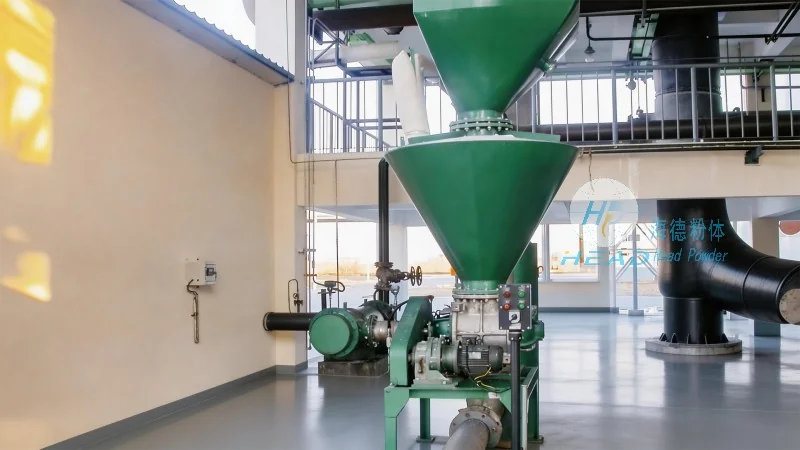
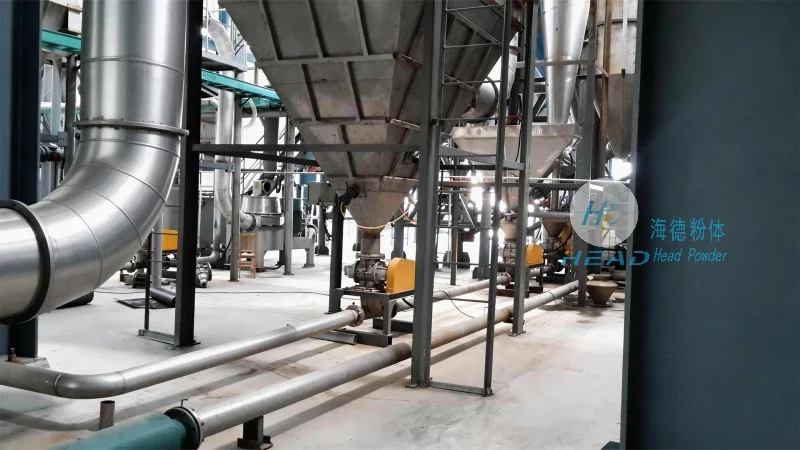
The effectiveness of a copper concentrate powder pneumatic conveying machine depends on the proper integration of several key components. The hopper serves as the initial storage vessel, ensuring a consistent supply of material to the feeder. The feeder, often a rotary valve or a screw feeder, regulates the flow of powder into the conveying line, preventing overloading and maintaining a stable conveying rate. The conveying line, usually made of stainless steel or other corrosion-resistant materials, is designed to withstand the abrasive nature of copper concentrate particles and the pressure of the air flow. The receiver, located at the end of the line, collects the conveyed material and may include a dust collection system to ensure environmental compliance. Additionally, the system may incorporate a blower or a positive displacement pump to generate the necessary air pressure for conveying.
Design Principles for Efficient Pneumatic Conveying
The design principles of a copper concentrate powder pneumatic conveying machine are centered around optimizing the flow of material and air to achieve high efficiency and minimal energy consumption. One of the primary design considerations is the selection of the appropriate conveying velocity, which must be sufficient to keep the powder particles suspended in the air stream but not so high as to cause excessive wear on the pipeline or increase energy costs. The velocity is typically determined by the particle size, density, and shape of the copper concentrate, as well as the desired conveying distance. Another critical principle is the use of a consistent pressure gradient along the conveying line. The pressure must be maintained at a level that ensures the material remains in suspension and prevents blockages or clogging, which can occur if the pressure drops too low or the flow rate is too high.
Advantages of Using a Pneumatic Conveying System for Copper Concentrate
Implementing a copper concentrate powder material pneumatic conveying machine offers numerous benefits for mining and processing operations. First, it provides a clean and hygienic method of transporting materials, as the system is enclosed and prevents exposure to the environment or personnel. This is particularly important for copper concentrate, which may contain fine particles that can be hazardous if inhaled. Second, the system allows for flexible and scalable transport solutions, as the conveying line can be easily extended or modified to accommodate changes in production capacity or processing requirements. Third, pneumatic conveying reduces the risk of product contamination, as the material is not in direct contact with external surfaces or other materials. Finally, the system can be integrated with other processing equipment, such as crushers or classifiers, to create a seamless material handling workflow.
Applications in the Copper Mining Industry
Copper concentrate powder material pneumatic conveying machines are widely used in various stages of the copper mining and processing cycle. In the primary crushing and grinding stages, the system can transport the crushed ore from the crusher to the grinding mill. In the flotation process, the machine conveys the copper concentrate from the flotation cells to the filtration and drying equipment. Additionally, the system is used in the storage and handling of copper concentrate, ensuring that the material is transported safely and efficiently from the processing plant to the storage silos or loading facilities. The versatility of the pneumatic conveying system makes it an indispensable tool for modern copper mining operations.
Conclusion and Company Overview
In conclusion, a copper concentrate powder material pneumatic conveying machine is a sophisticated and efficient system designed to handle the unique challenges of transporting fine copper concentrate particles. Its design principles focus on optimizing material and air flow, ensuring high efficiency and minimal maintenance. The system offers significant advantages over traditional conveying methods, including cleanliness, flexibility, and reduced contamination risk. As a leading provider in this field, Shandong HeadPowder Engineering Co., Ltd. specializes in the design, manufacturing, and installation of high-quality pneumatic conveying systems tailored to the specific needs of copper mining and processing operations. With a commitment to quality and innovation, HeadPowder delivers reliable solutions that enhance operational efficiency and ensure compliance with industry standards. Based in Shandong, China, the company leverages its expertise to provide customized pneumatic conveying solutions that meet the evolving demands of the copper industry.