

Working Principle and Characteristics of Positive Pressure Dilute Phase Pneumatic Conveying
Positive pressure dilute phase pneumatic conveying is a sophisticated method used in material handling and processing industries to transport bulk materials through a pipeline system using pressurized air. This technology has become increasingly important for its efficiency and versatility in handling various types of powders and granules. Understanding its working principle and key characteristics is essential for industries seeking reliable and effective material transport solutions.

Working Principle of Positive Pressure Dilute Phase Pneumatic Conveying
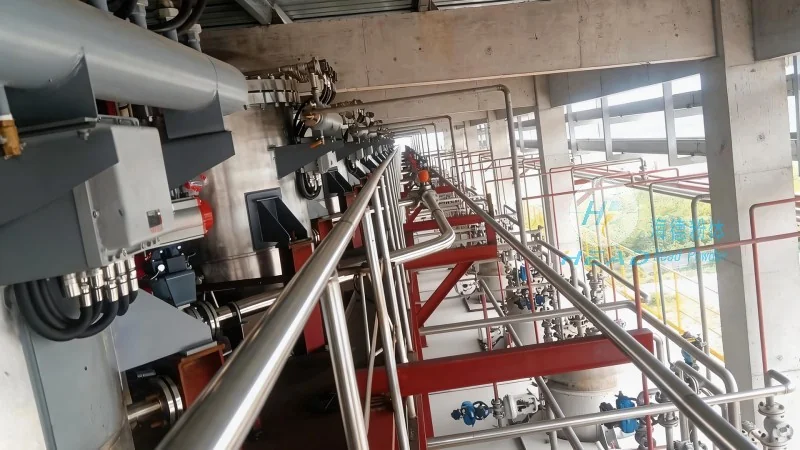
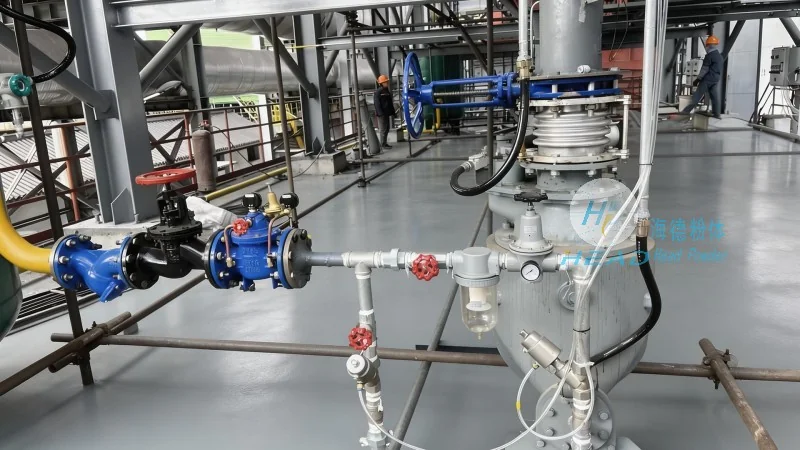
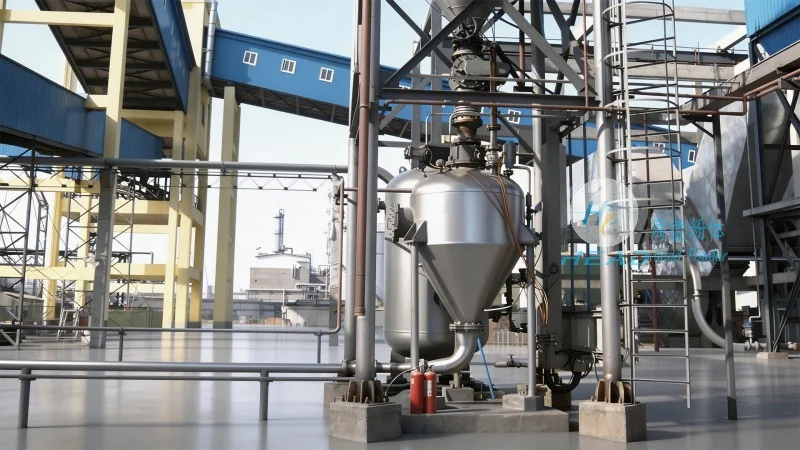
The core of positive pressure dilute phase pneumatic conveying lies in its use of a pressurized air system to move material particles through a pipeline. Unlike negative pressure systems, which draw material into a vacuum, positive pressure systems force air and material through the pipeline, ensuring consistent and controlled flow. The process typically involves a blower or compressor that generates the necessary pressure to propel the material. Material is fed into the system, often through a hopper or feeder, and is then mixed with the pressurized air. As the mixture travels through the pipeline, the air velocity is maintained at a level sufficient to keep the particles suspended, preventing settling or blockages. The system may include components such as a filter to capture any fine particles and a pressure regulator to maintain stable pressure throughout the conveying line. This method is particularly effective for transporting materials over moderate distances, typically up to several hundred meters, and is suitable for a wide range of applications, including food processing, pharmaceuticals, and chemical manufacturing.
Key Characteristics of Positive Pressure Dilute Phase Pneumatic Conveying
One of the primary advantages of positive pressure dilute phase pneumatic conveying is its ability to handle a variety of materials, from fine powders to coarse granules, with minimal degradation. The high air velocity ensures that particles remain suspended, reducing the risk of caking or agglomeration. This characteristic makes it ideal for sensitive materials that require gentle handling, such as pharmaceuticals or food products. Another significant feature is the system's efficiency in terms of energy consumption and operational costs. By maintaining a consistent pressure and flow rate, the system minimizes energy waste and reduces maintenance requirements compared to other conveying methods. Additionally, positive pressure systems are generally more reliable and less prone to blockages, as the continuous flow of air helps to prevent material buildup in the pipeline. The technology also offers flexibility in terms of system design, allowing for customization to suit specific material properties and process requirements. For example, the pipeline layout can be adjusted to accommodate changes in material flow or to integrate with existing processing equipment. This adaptability makes positive pressure dilute phase conveying a versatile solution for diverse industrial applications.
Applications and Benefits in Industrial Settings
In industrial settings, positive pressure dilute phase pneumatic conveying is widely used across multiple sectors due to its ability to handle challenging materials and maintain process integrity. In the food and beverage industry, it is commonly employed to transport ingredients like flour, sugar, and spices, ensuring that the materials remain uncontaminated and free from moisture. The gentle handling of the system prevents product degradation, which is crucial for maintaining quality and safety standards. Similarly, in the pharmaceutical industry, the technology is used to convey active pharmaceutical ingredients (APIs) and excipients, where contamination and particle size control are critical. The positive pressure system's ability to maintain a sterile environment and prevent cross-contamination makes it a preferred choice for pharmaceutical processing. In the chemical industry, it is used to transport various chemicals, including powders and granules, which may be hazardous or reactive. The system's design allows for safe handling of these materials, reducing the risk of accidents and ensuring compliance with safety regulations. Overall, the benefits of positive pressure dilute phase conveying include improved material handling efficiency, reduced downtime, and enhanced product quality, making it a valuable asset for industrial operations.
Company Overview: Shandong HeadPowder Engineering Co., Ltd.
As a leading provider of material handling solutions, Shandong HeadPowder Engineering Co., Ltd. specializes in designing and manufacturing advanced pneumatic conveying systems. With a strong focus on innovation and customer satisfaction, the company has established itself as a trusted partner for industries seeking reliable and efficient material transport solutions. HeadPowder's expertise lies in the development of positive pressure dilute phase systems tailored to meet the specific needs of various applications. The company's team of engineers and technicians leverages years of experience to design systems that optimize performance, reduce operational costs, and ensure long-term reliability. HeadPowder's commitment to quality is evident in its adherence to industry standards and rigorous testing procedures. The company's facilities are equipped with state-of-the-art technology, enabling the production of high-quality components and systems that meet the demands of modern industrial applications. By combining technical expertise with customer-centric approach, Shandong HeadPowder Engineering Co., Ltd. continues to deliver solutions that enhance operational efficiency and support the growth of its clients. The company's presence in China, with its strategic location in Shandong, positions it as a key player in the global material handling market, providing access to a wide range of materials and manufacturing capabilities.