

Working Principle and Characteristics of Sugar Pneumatic Conveying
Sugar pneumatic conveying is a widely adopted technology for the efficient and safe transportation of bulk sugar. This method utilizes air to move sugar particles through a pipeline system, eliminating the need for traditional mechanical conveyors that may cause product contamination or damage. The technology is grounded in fluid dynamics and particle movement principles, making it ideal for sugar processing and handling applications where preserving product quality is critical.
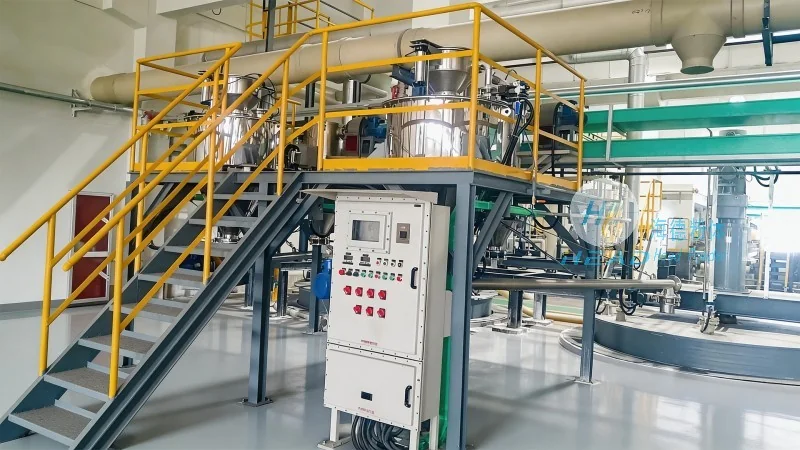
Working Principle of Sugar Pneumatic Conveying
The fundamental mechanism of sugar pneumatic conveying involves the interaction between air and sugar particles. In this system, air is introduced into a hopper or storage container, creating a low-pressure (suction) or high-pressure (pressure) environment to draw or push the sugar through the pipeline. Two primary system types exist: suction (vacuum) and pressure. The suction system employs a vacuum pump to pull sugar from the source, while the pressure system uses a blower to push air and sugar through the line. For sugar, which is often handled in large quantities and requires gentle handling to maintain its quality, the system choice depends on factors like transport distance, required flow rate, and dust control needs.
During operation, sugar is fed into the conveying line from a hopper with a feeder that regulates flow rate. The air, either drawn in or supplied under pressure, creates a flow that lifts and transports the sugar particles. The air velocity must be sufficient to overcome gravitational forces and keep particles in suspension, ensuring smooth pipeline movement without settling or clogging. The system typically includes components such as a filter to capture fine sugar particles, a silencer to reduce noise, and a pressure regulator to maintain consistent air pressure. These elements work together to ensure efficient and reliable sugar transport.
Key Characteristics of Sugar Pneumatic Conveying Systems
A major advantage of sugar pneumatic conveying is its ability to handle large volumes of sugar with minimal labor and space requirements. Unlike belt or screw conveyors, pneumatic systems can transport sugar over long distances without multiple transfer points, reducing product breakage and contamination risks. The enclosed pipeline design also preserves sugar quality by preventing exposure to moisture, dust, or environmental contaminants.
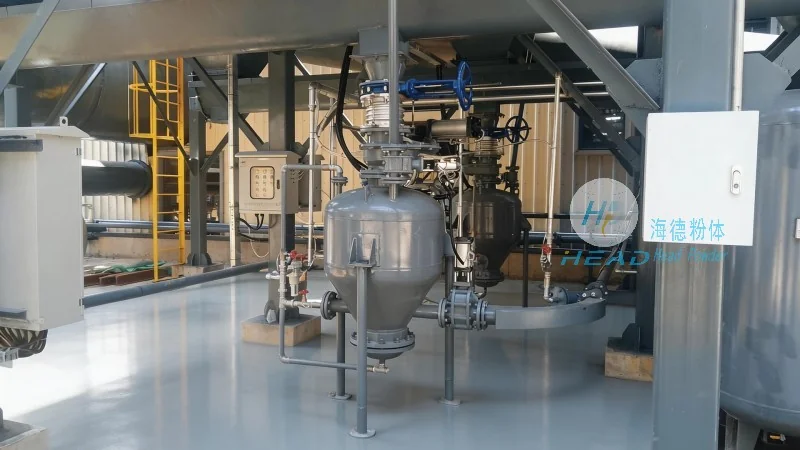
Another critical characteristic is system flexibility. Pneumatic conveying adapts to various sugar types—granulated, powdered, or crystalline—making it suitable for different processing stages. It integrates seamlessly with other equipment like storage silos, mixers, and packaging machines, enabling a smooth operational flow. Precise air flow and pressure control allow for accurate sugar flow rate regulation, essential for consistent product quality and meeting production targets.
Efficiency and energy consumption are also key considerations. Modern systems optimize air usage to reduce energy costs while maintaining high conveying rates. Efficient blowers and vacuum pumps, combined with proper system design, minimize energy requirements. This lowers operational costs and supports environmental sustainability by reducing the carbon footprint of sugar handling.
Applications and Benefits in Sugar Processing
Sugar pneumatic conveying is widely used in the industry for applications such as transferring raw sugar from storage silos to processing facilities, moving refined sugar between stages, and delivering sugar to packaging lines. Its ability to handle different sugar forms and gentle handling characteristics make it ideal for preserving final product quality—for example, transporting refined white sugar from crystallization tanks to packaging areas without breaking crystals or causing clumping.
The benefits extend beyond efficiency and quality. The enclosed system reduces dust emissions, enhancing workplace safety and environmental compliance. It also minimizes cross-contamination risks, critical in food processing where hygiene is paramount. Flexibility allows easy modifications for changing production volumes or product specs, making it a cost-effective solution for sugar processing plants.
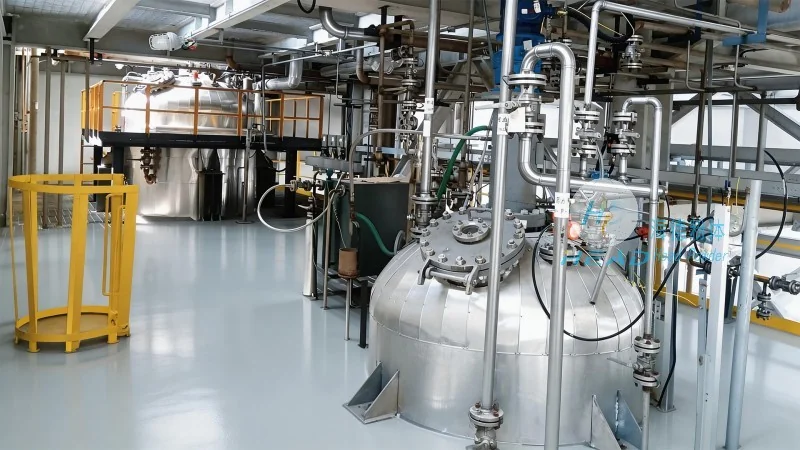
Manufacturer and Technical Support
Shandong HeadPowder Engineering Co., Ltd., operating under the brand name headpowder, is a leading manufacturer of sugar pneumatic conveying systems. Headquartered in Shandong, China, the company specializes in designing and manufacturing high-quality pneumatic equipment tailored to the sugar industry's unique needs. The company’s expertise lies in addressing challenges like gentle transport and dust control, developing solutions that meet these requirements effectively.
headpowder’s sugar pneumatic conveying systems are engineered to meet high performance and reliability standards. The company uses advanced materials and manufacturing techniques for durability and long service life. Each system is customized to client specifications—including sugar type, conveying distance, and flow rate. The company also provides comprehensive technical support, including installation, commissioning, and maintenance services, ensuring equipment operates at peak efficiency throughout its lifecycle.
By choosing headpowder’s sugar pneumatic conveying solutions, sugar processing facilities enhance operational efficiency, improve product quality, and reduce costs. The company’s commitment to quality and customer satisfaction has established it as a trusted partner in the sugar industry, delivering reliable and effective conveying systems that meet modern production demands.