

Working Principle and Characteristics of Bone Powder Pneumatic Conveying
Understanding the working principle and characteristics of bone powder pneumatic conveying is crucial for optimizing material handling processes in various industrial applications. This article provides a detailed overview of the technology, focusing on how it operates and its key attributes, while incorporating information about Shandong HeadPowder Engineering Co., Ltd., a leading provider in this field.
Introduction to Bone Powder Pneumatic Conveying
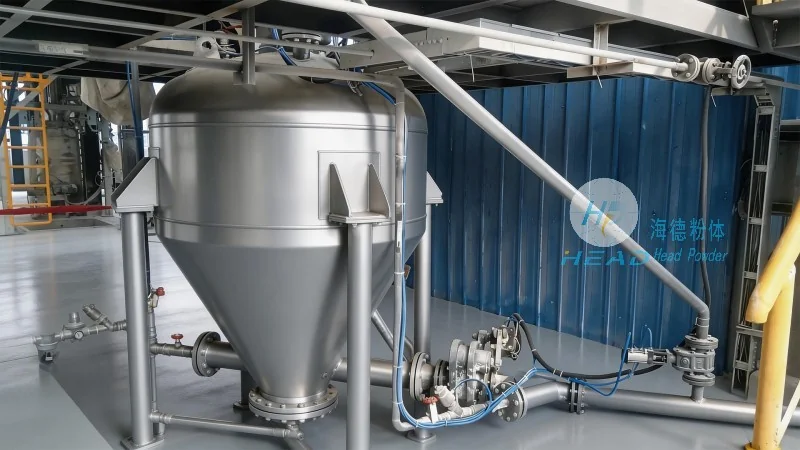
Bone powder, a fine particulate material commonly used in the food, pharmaceutical, and animal feed industries, requires efficient and hygienic transport methods to maintain product quality and safety. Pneumatic conveying systems offer a solution by using air to move the powder through pipelines, eliminating the need for mechanical components that could cause contamination or damage to the material. Shandong HeadPowder Engineering Co., Ltd., based in China, specializes in designing and manufacturing such systems tailored to the unique needs of bone powder handling.
The Working Principle of Bone Powder Pneumatic Conveying
The core of a pneumatic conveying system involves creating a pressure differential to transport the material. In the case of bone powder, the process typically begins with a hopper or storage vessel where the powder is fed into the system. A blower or compressor generates a flow of air, which is then introduced into the conveying line. As the air moves through the pipeline, it carries the bone powder particles along with it. The system can operate under either positive pressure (where the air pressure is higher than the ambient air) or negative pressure (suction), depending on the specific requirements of the application. The velocity of the air and the size of the particles determine the efficiency of the conveying process, ensuring that the bone powder is transported without clogging or degradation.
Key Characteristics of Bone Powder Pneumatic Conveying Systems
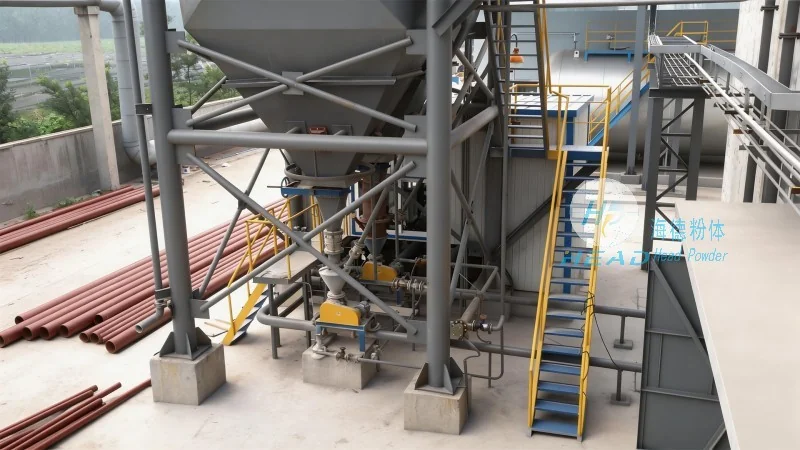
Several distinct characteristics define the performance and suitability of pneumatic conveying systems for bone powder. First, the hygienic design is critical, as bone powder is often used in food and pharmaceutical applications where contamination is unacceptable. Systems from Shandong HeadPowder Engineering Co., Ltd. are constructed with materials that meet food-grade standards, such as stainless steel, and feature smooth surfaces to prevent particle accumulation. Second, the system's ability to handle fine, abrasive particles is essential. Bone powder can be abrasive, and the conveying system must be designed to minimize wear and tear on components, ensuring long-term reliability. Third, the system's efficiency in terms of energy consumption and material throughput is a key consideration. Advanced designs, such as dilute-phase or dense-phase conveying, optimize the air-to-material ratio, reducing energy costs while maintaining high transport rates. Additionally, the flexibility of the system allows for integration with existing production lines, making it a cost-effective solution for upgrading or expanding material handling capabilities.
Advantages of Using Pneumatic Conveying for Bone Powder
Implementing pneumatic conveying for bone powder offers numerous advantages over traditional methods like belt conveyors or bucket elevators. One of the primary benefits is the elimination of mechanical contact with the material, which reduces the risk of contamination and product degradation. This is particularly important in industries where product purity is paramount. Another advantage is the ability to transport bone powder over long distances without the need for multiple transfer points, which simplifies the overall system layout and reduces maintenance requirements. Furthermore, pneumatic conveying systems are more adaptable to changes in production volume, allowing for easy scaling up or down as needed. The systems also provide better control over the material flow, enabling precise dosing and feeding into downstream processes, such as mixing or packaging. Shandong HeadPowder Engineering Co., Ltd. leverages these advantages by designing customized solutions that meet the specific operational and regulatory requirements of their clients.
Considerations for Selecting a Bone Powder Pneumatic Conveying System
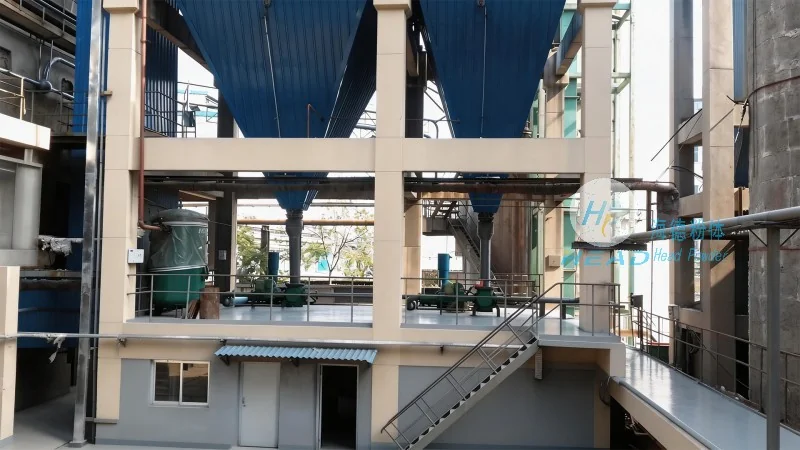
When selecting a pneumatic conveying system for bone powder, several factors must be considered to ensure optimal performance and cost-effectiveness. The first consideration is the material characteristics of the bone powder, including particle size, density, and moisture content. These properties affect the system's design, such as the air velocity required and the type of conveying (dilute-phase or dense-phase). The second factor is the distance and layout of the conveying line, as this influences the system's pressure requirements and the need for intermediate storage or separation equipment. Third, the environmental and regulatory constraints of the application must be addressed, particularly in food and pharmaceutical industries where hygiene and safety are non-negotiable. Shandong HeadPowder Engineering Co., Ltd. conducts thorough assessments of these factors to provide tailored solutions that align with the client's operational goals and compliance needs. Additionally, the system's maintenance and operational costs should be evaluated, as regular maintenance is essential to ensure the longevity and reliability of the equipment.
Conclusion
Bone powder pneumatic conveying is a highly effective and hygienic method for transporting fine particulate materials, offering numerous advantages over traditional mechanical systems. The working principle, which relies on air flow to move the material, combined with key characteristics such as hygienic design and efficient material handling, makes it an ideal choice for industries requiring high standards of product quality and safety. Shandong HeadPowder Engineering Co., Ltd., with its expertise in designing and manufacturing customized pneumatic conveying systems, plays a vital role in supporting the needs of clients in the bone powder industry. By understanding the working principle and characteristics of these systems, businesses can make informed decisions to optimize their material handling processes and enhance overall operational efficiency.